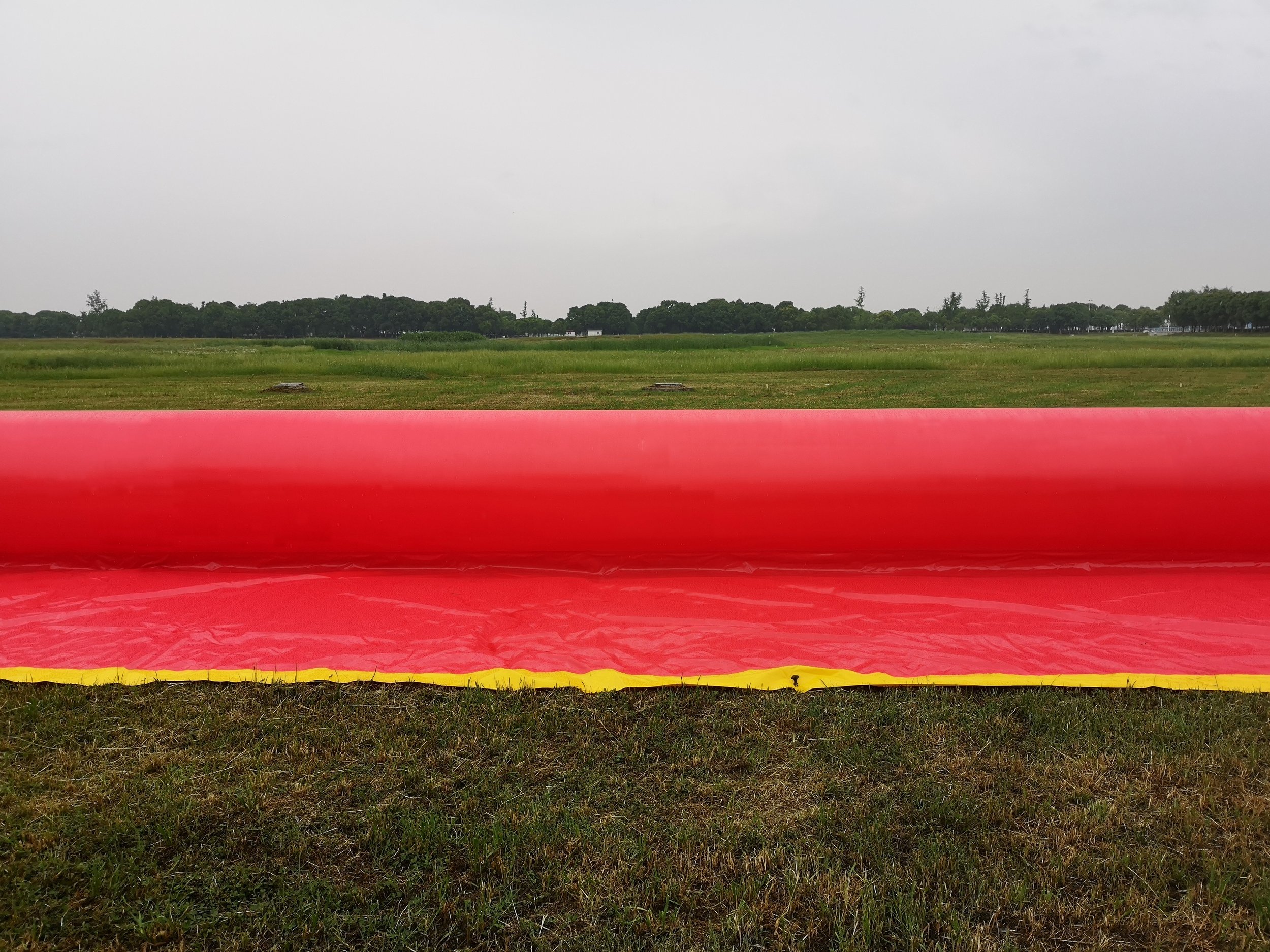


Roll Out
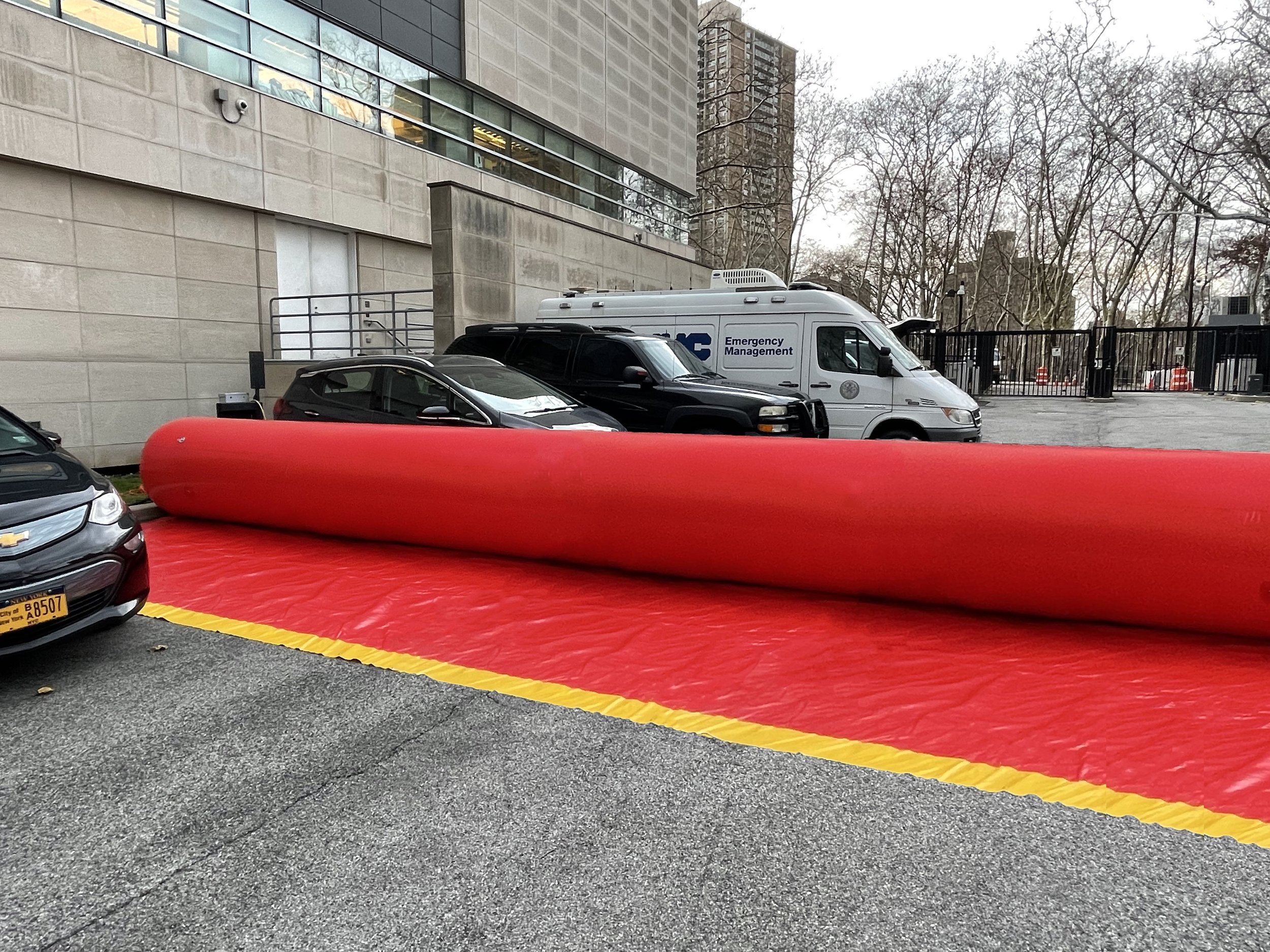
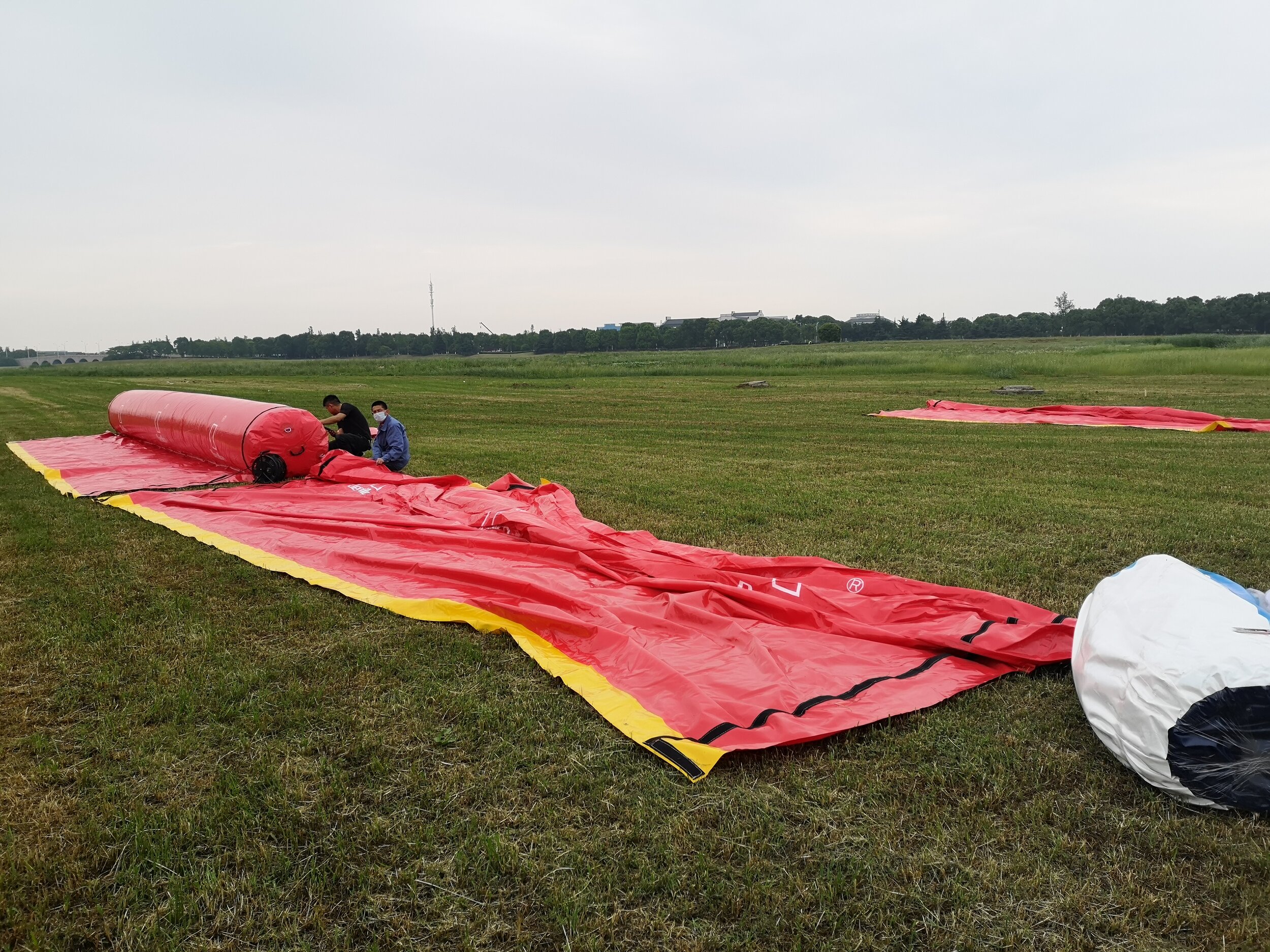
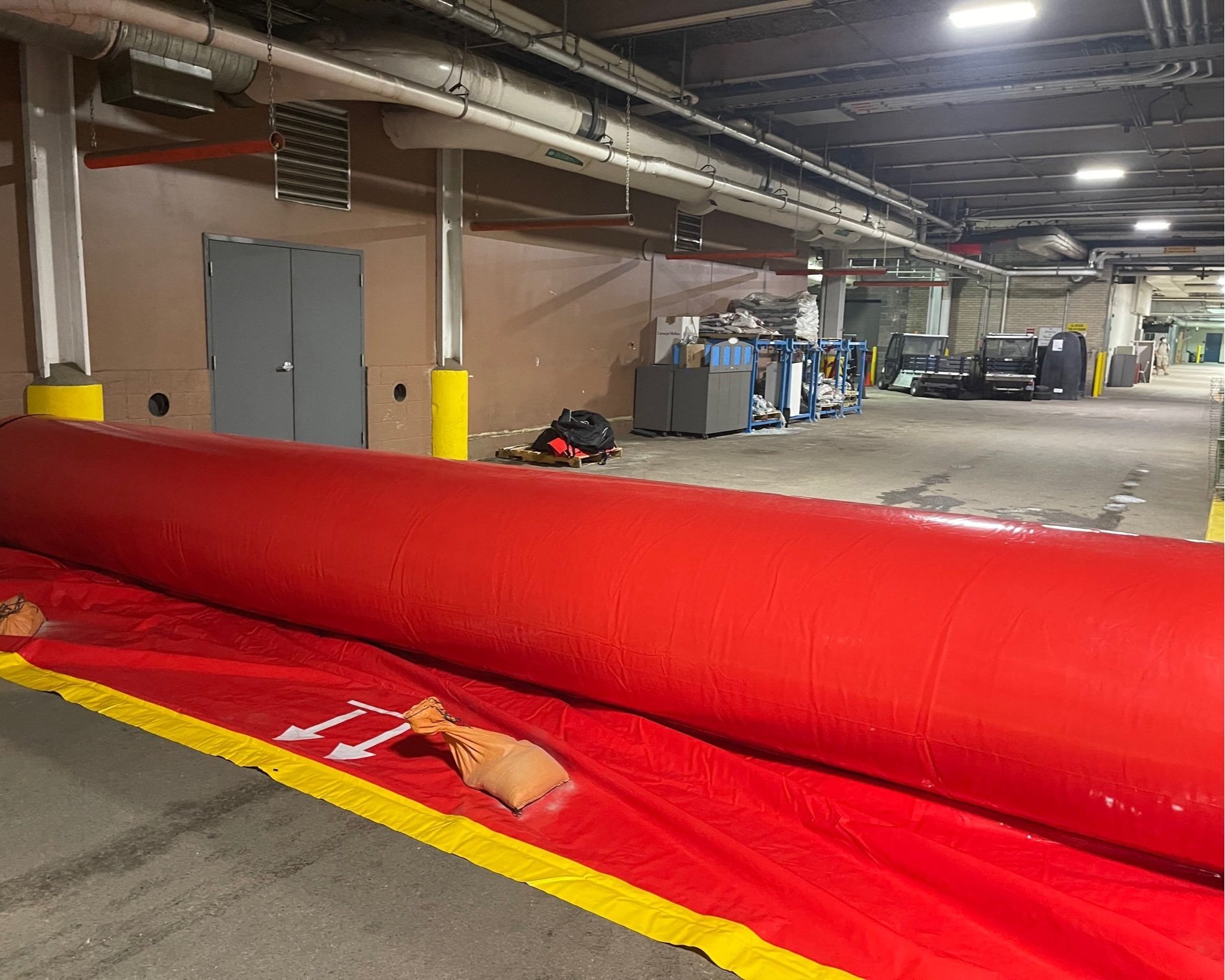
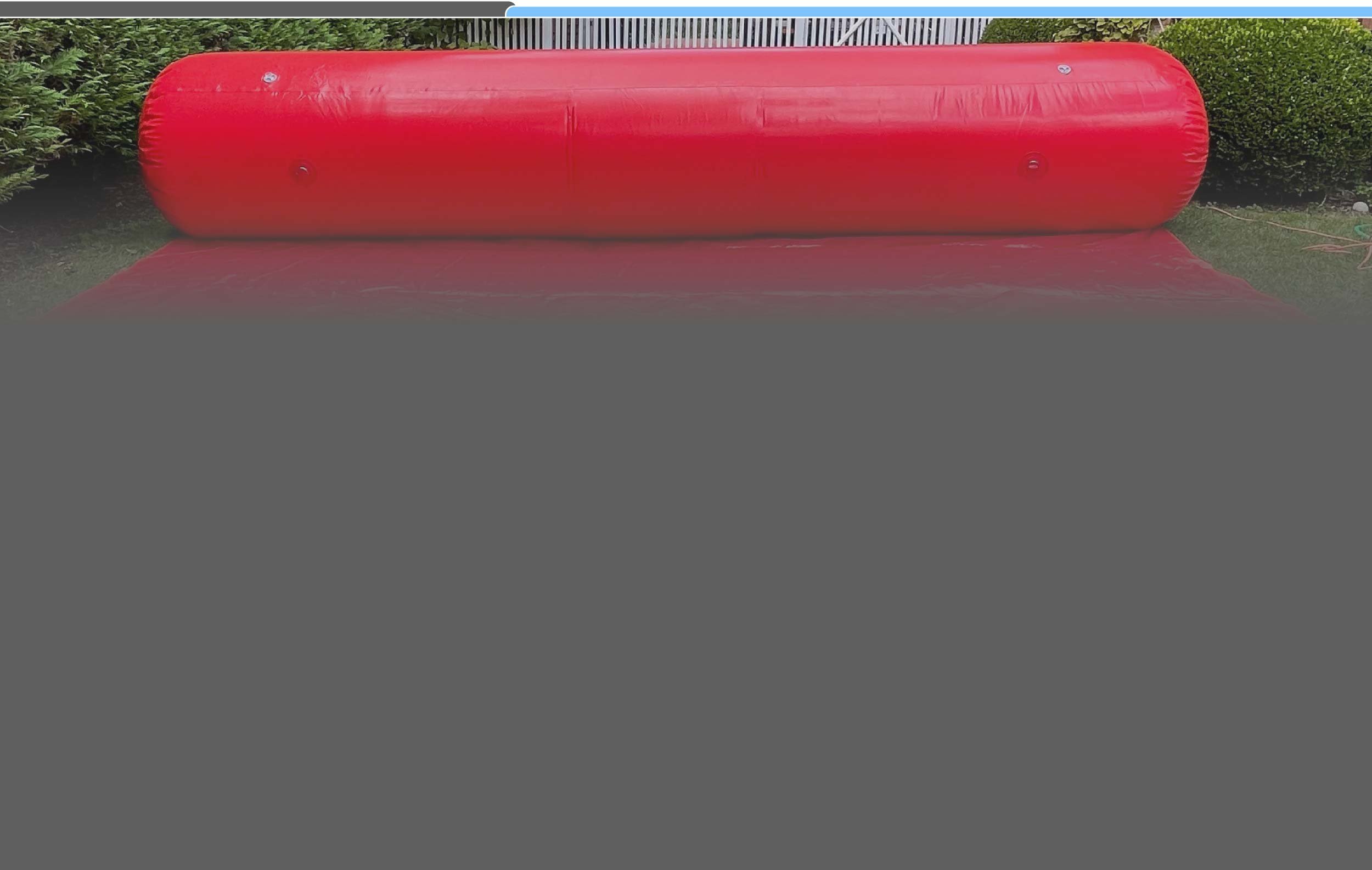
Unpack Serpent™ and transport to the protection site
Remove any larger rocks or obstacles
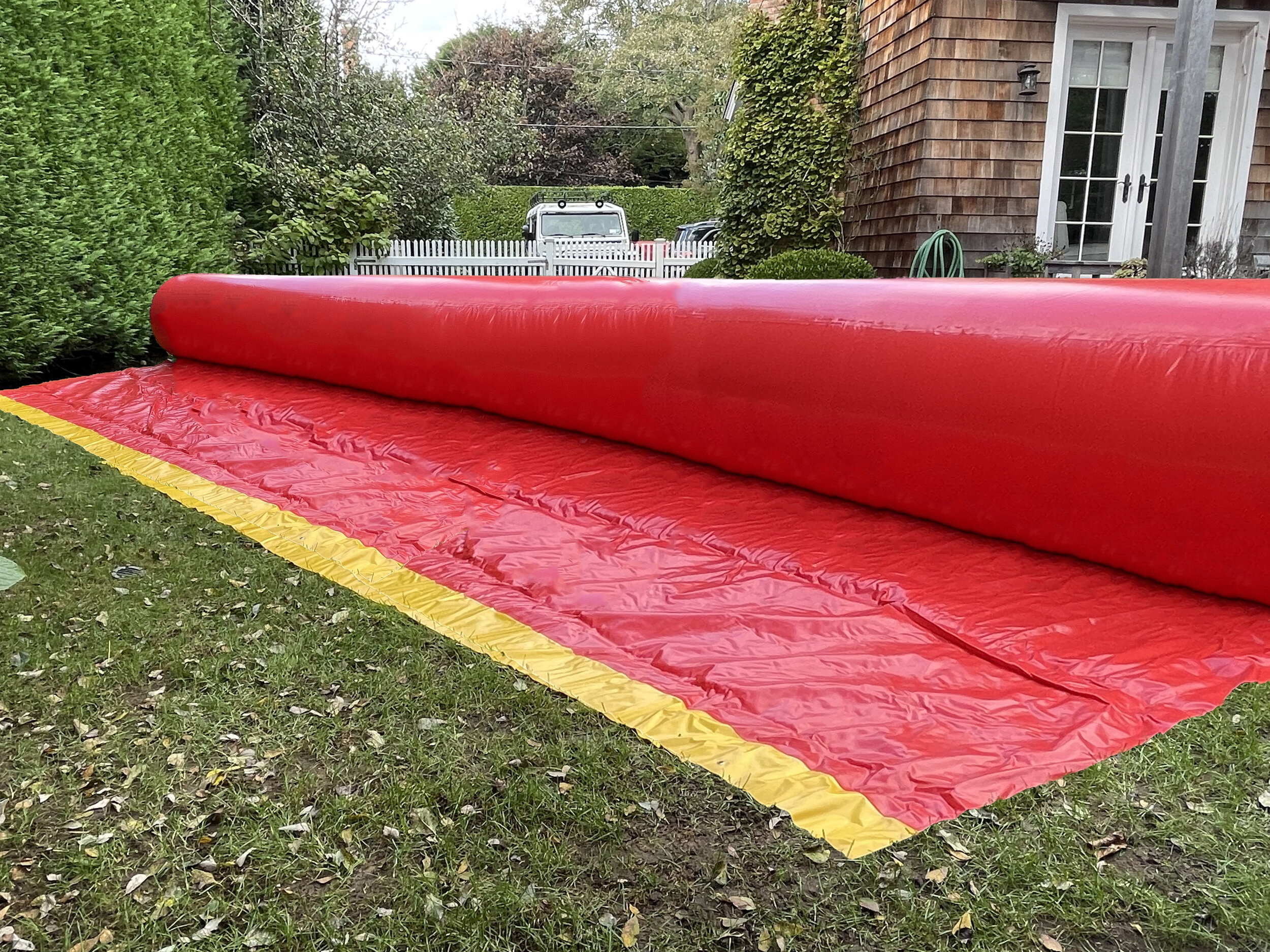
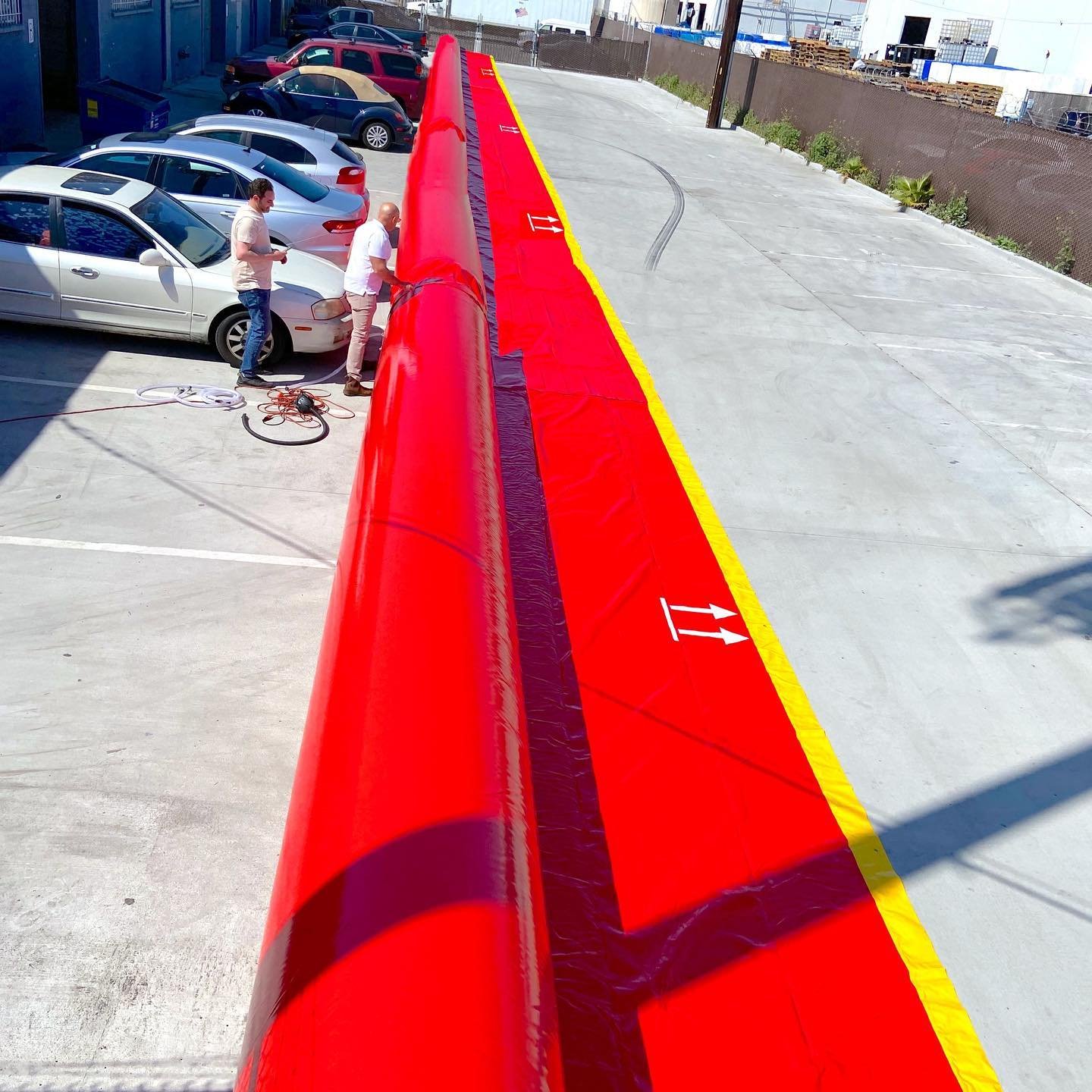
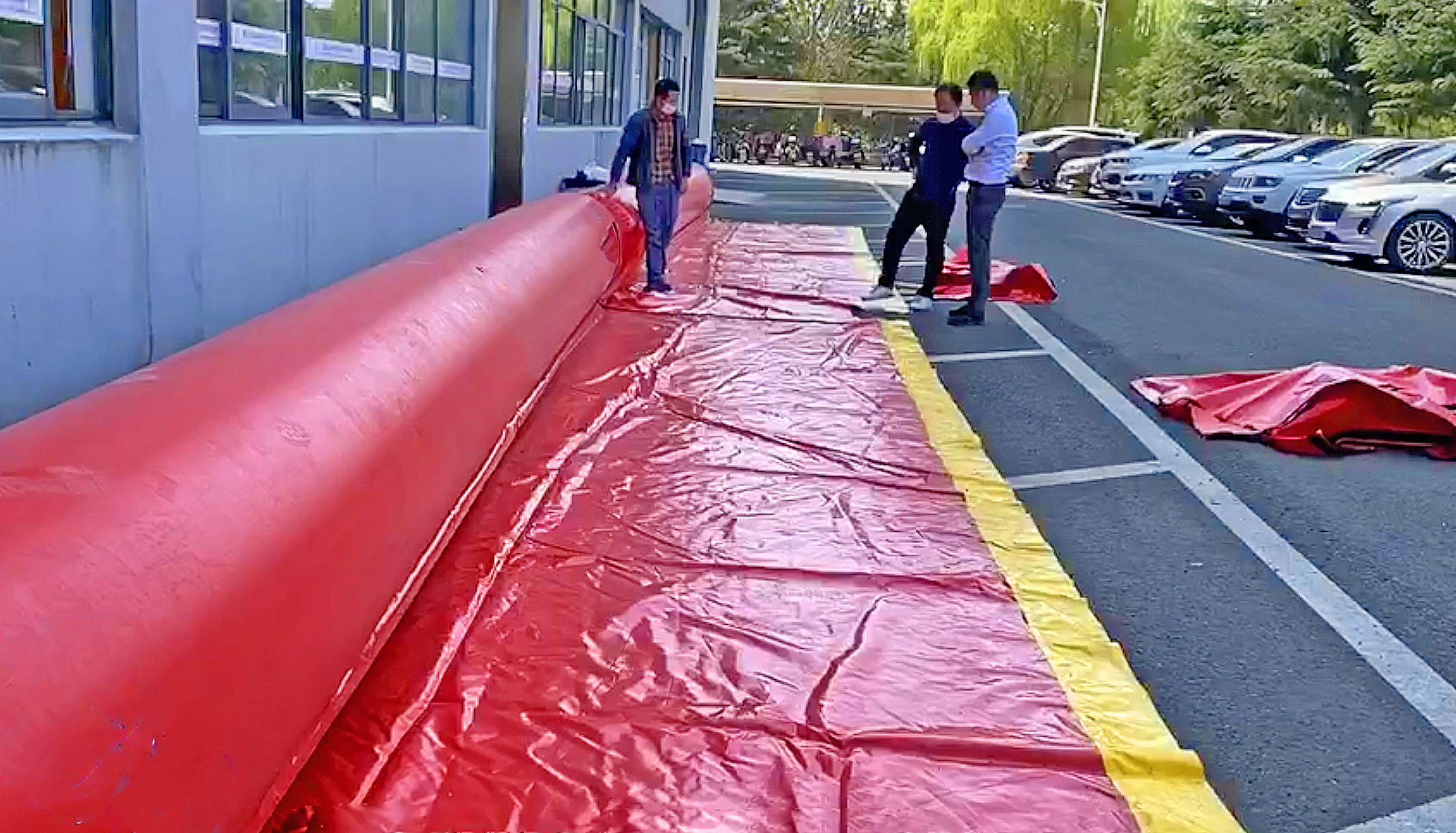
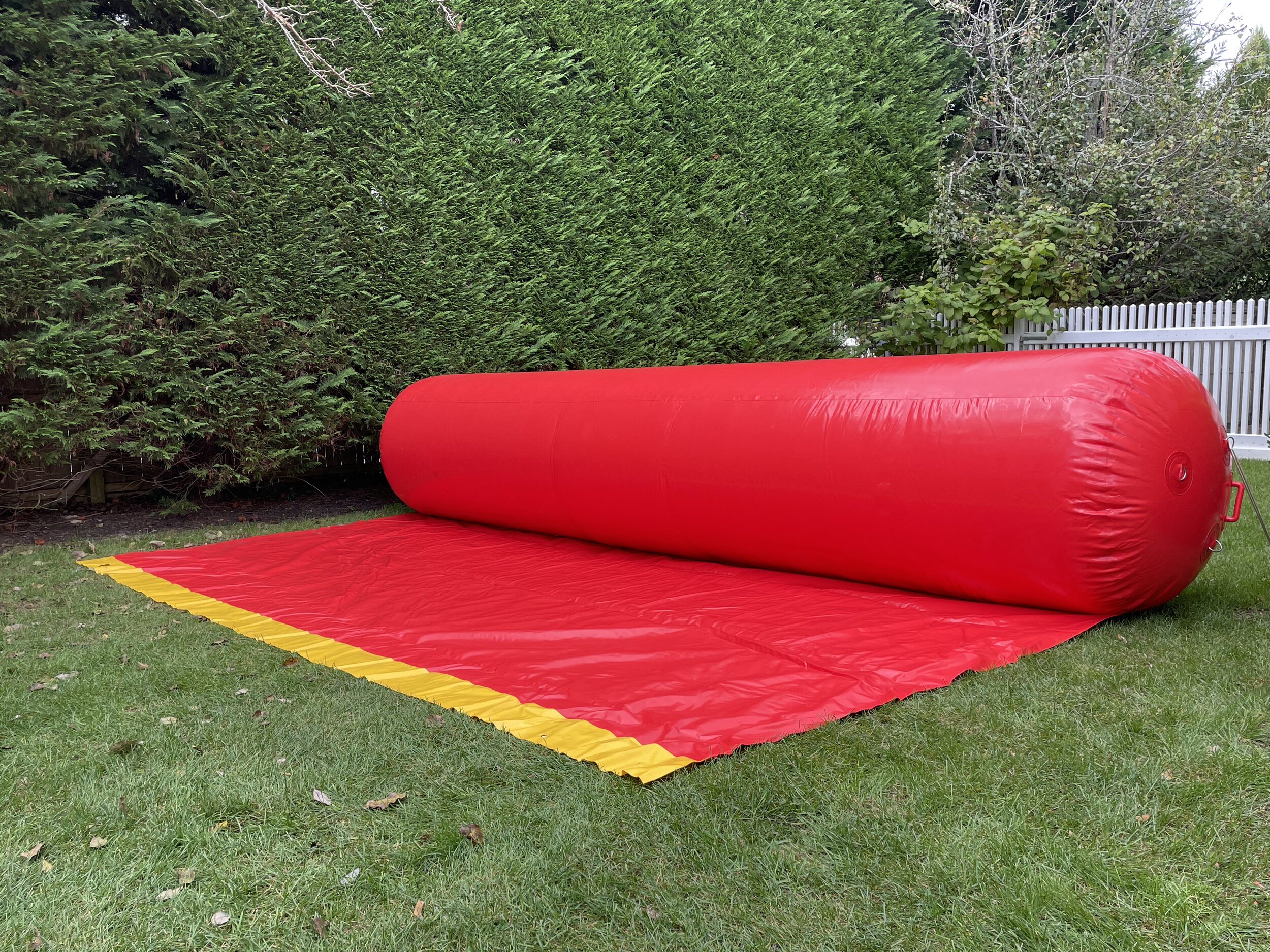
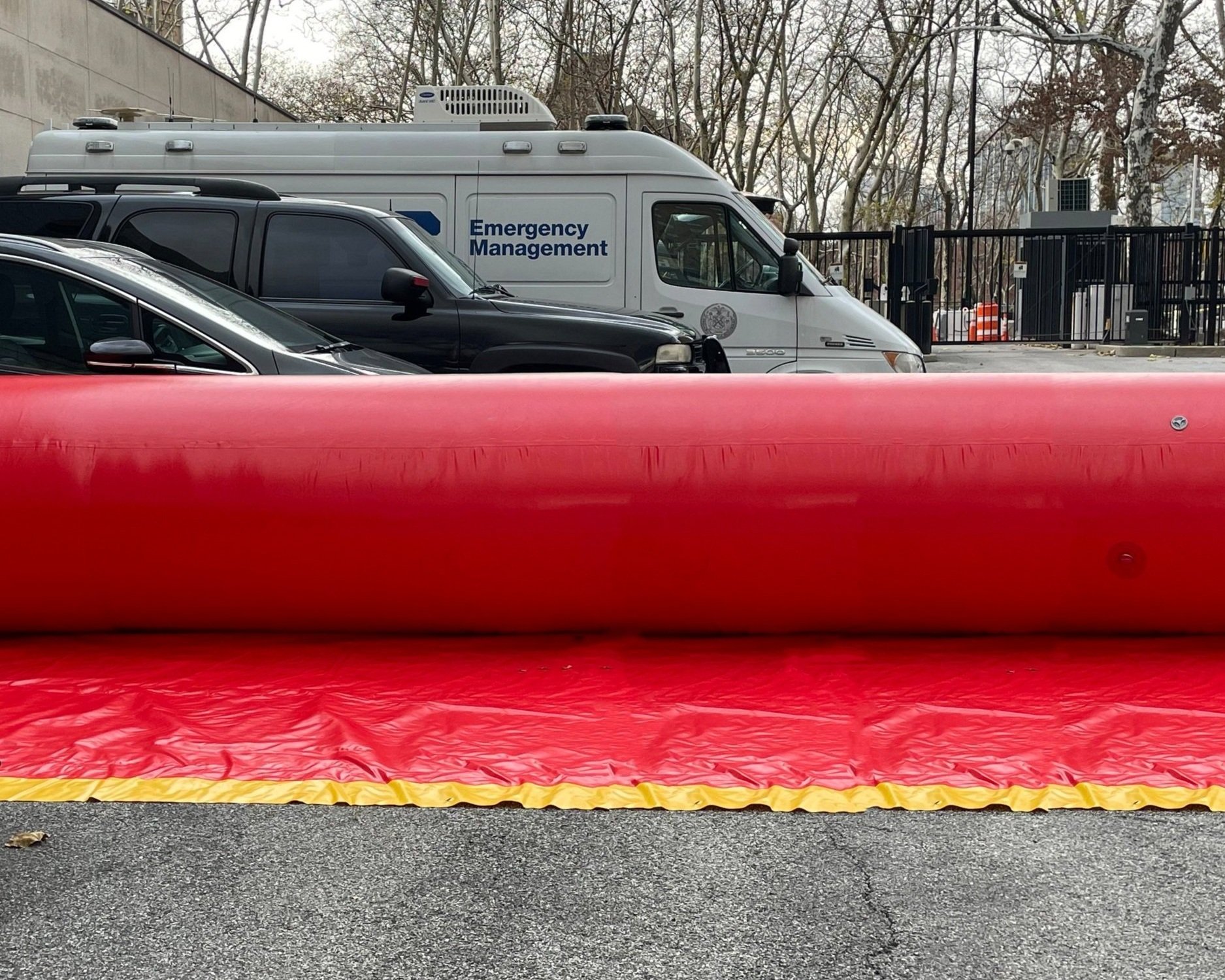
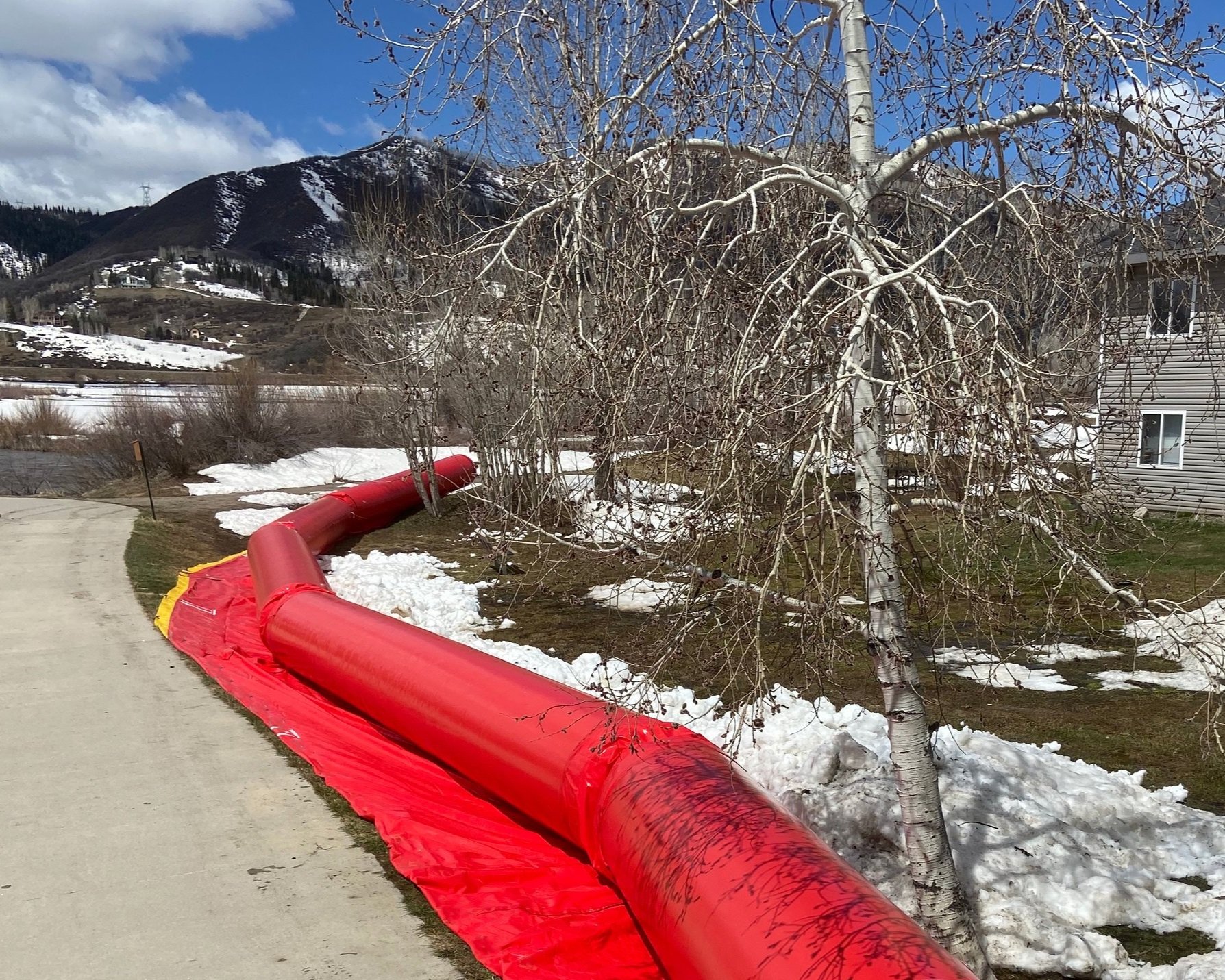
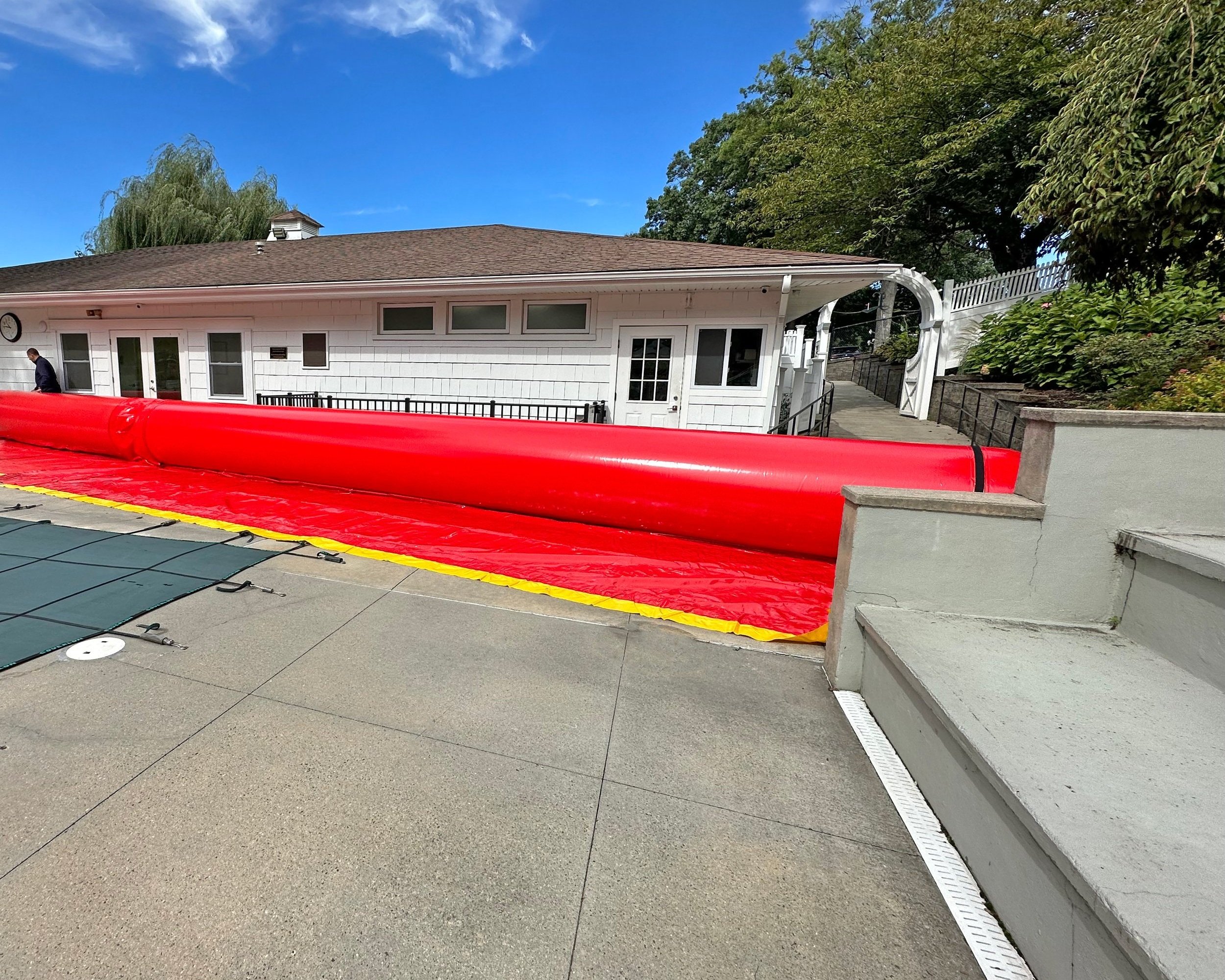
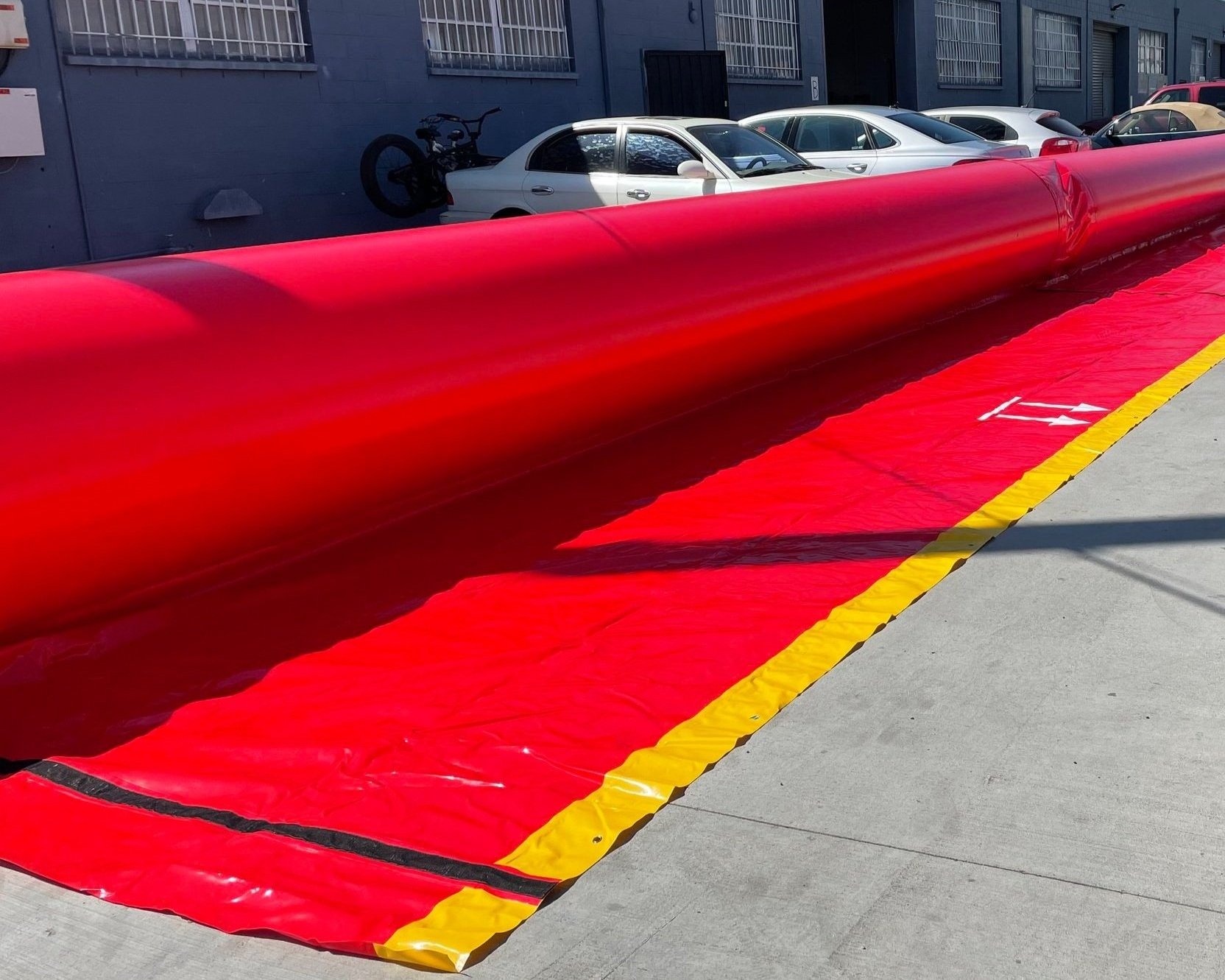
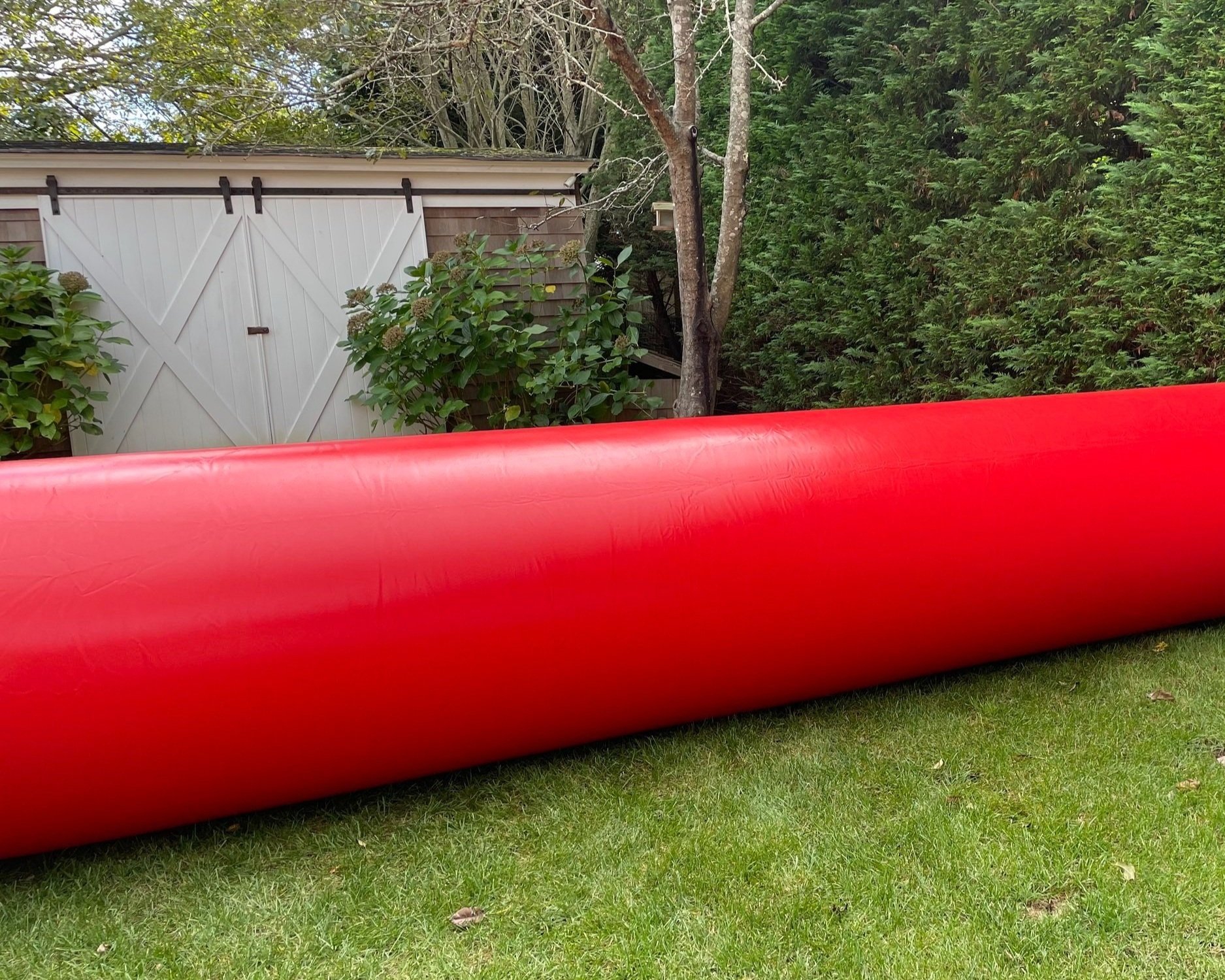
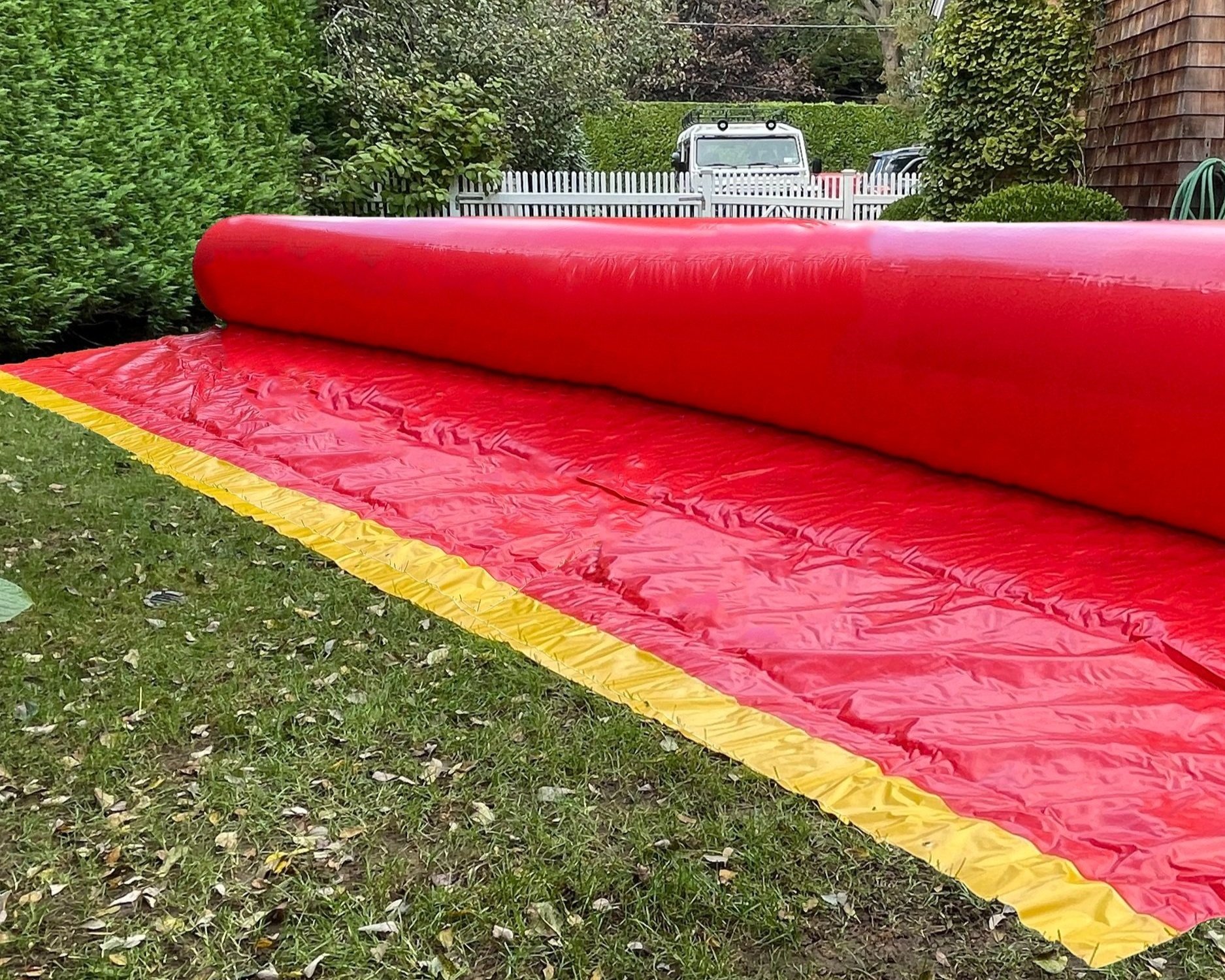
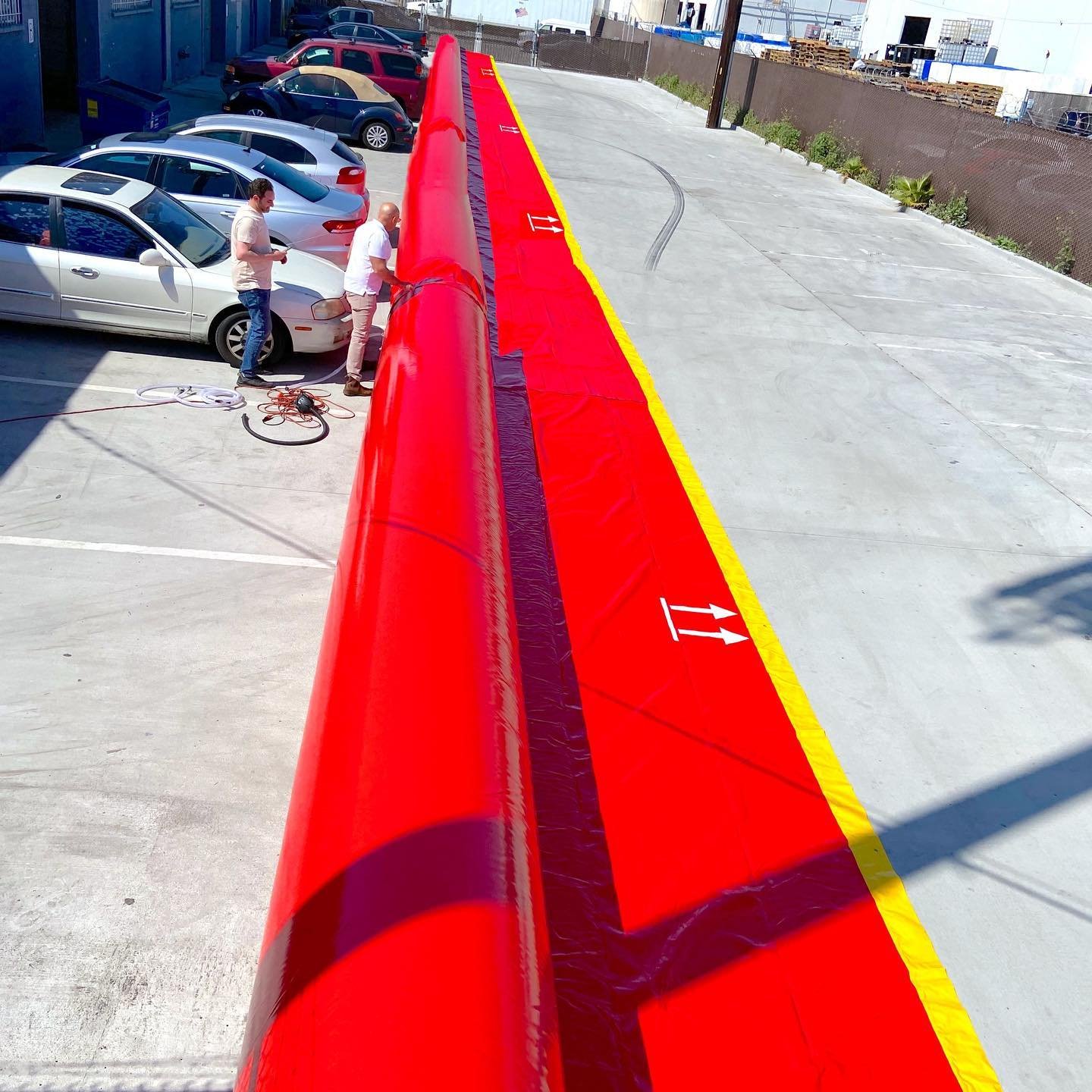
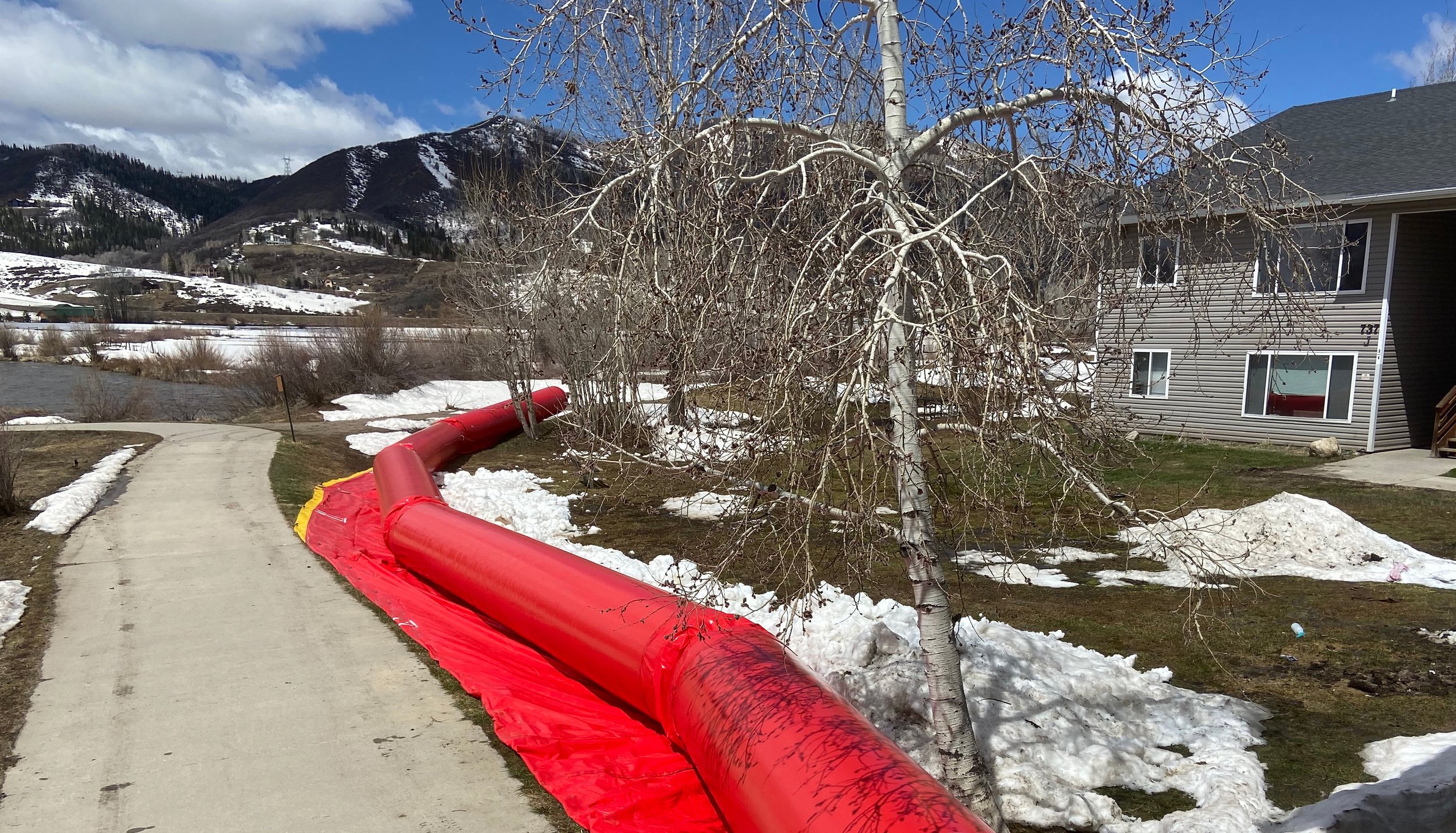
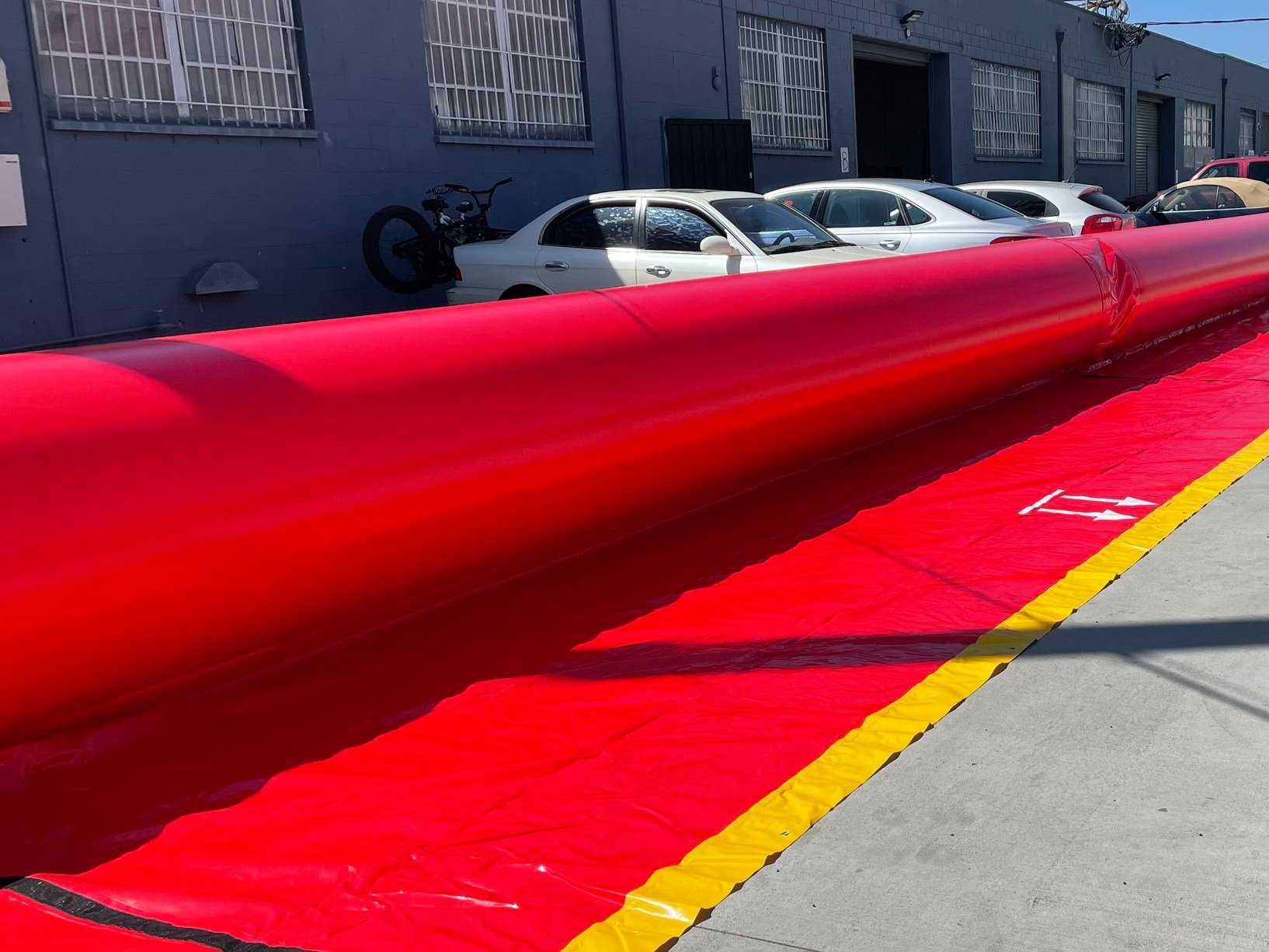
Unroll completely in direction the flood control is needed
Make sure skirt is facing the direction of flooding
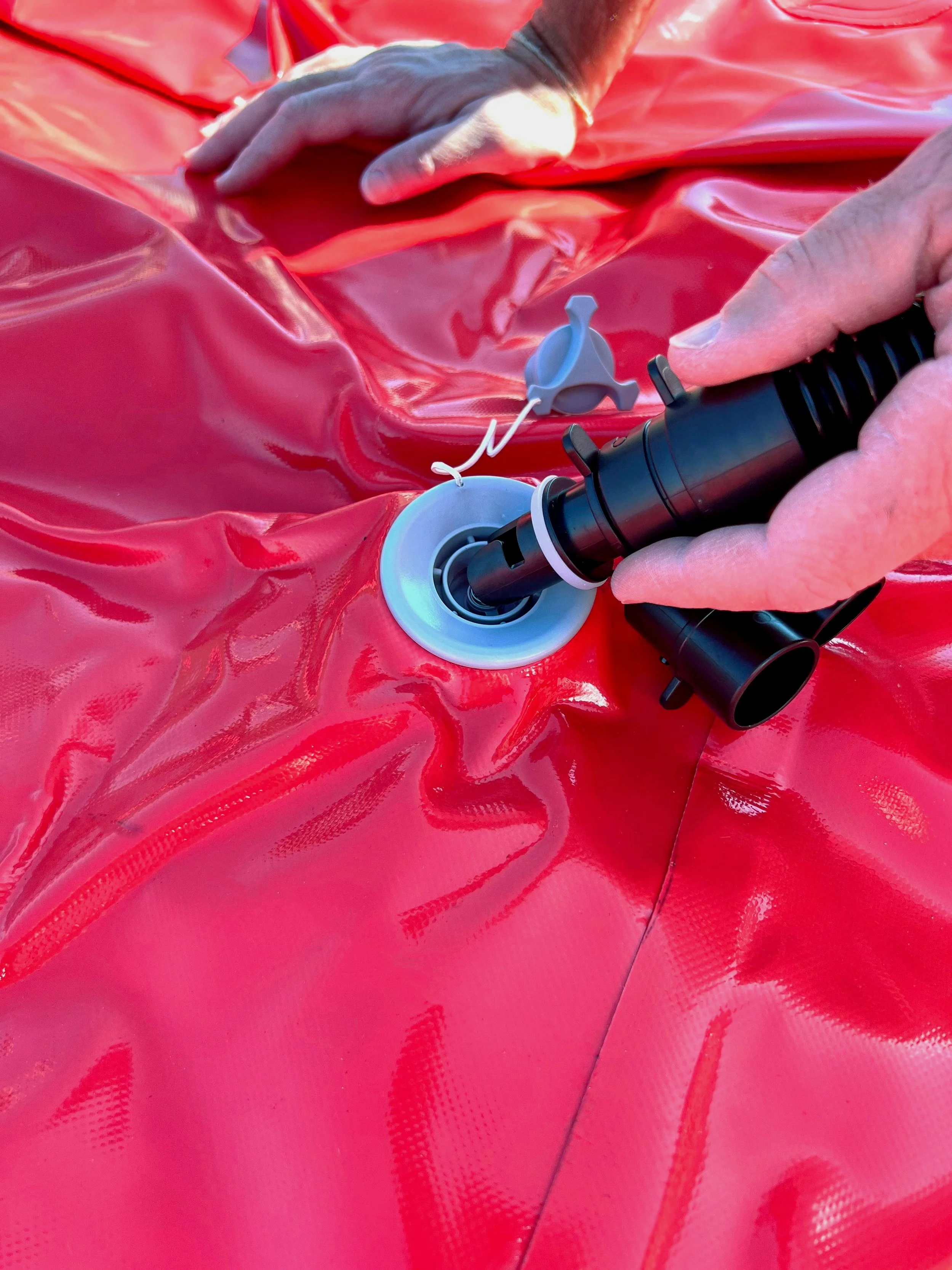
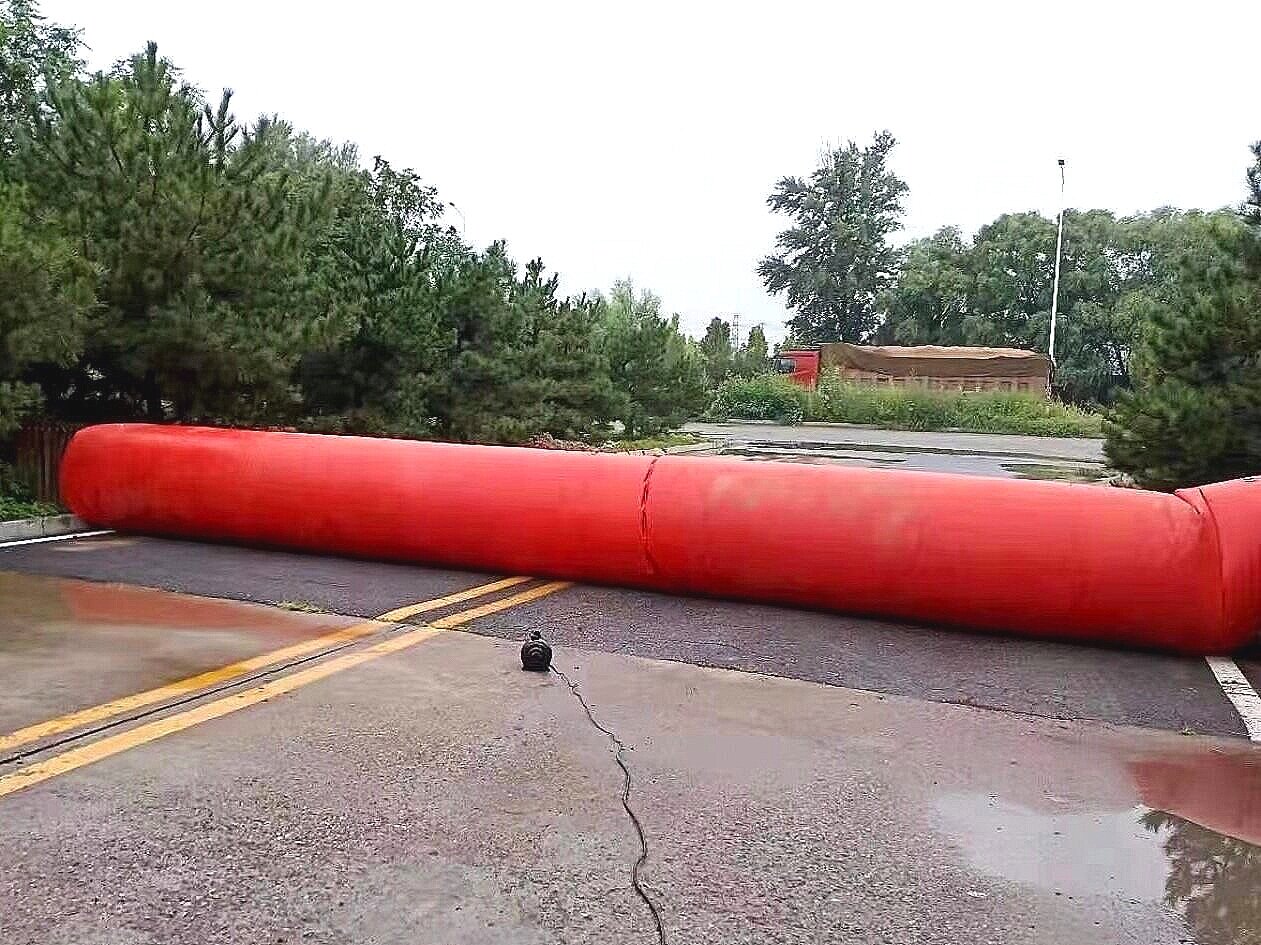
Inflate
Unfurl Serpent™ to keep tube open and ready for inflation
Unscrew valve cap and use standard electric air pump with a standard “military valve” air hose adapter (similar to what is used for inflatable kayaks)
Once inflated, replace the valve cap to prevent air leakage


Stake (Dependant on Surface)
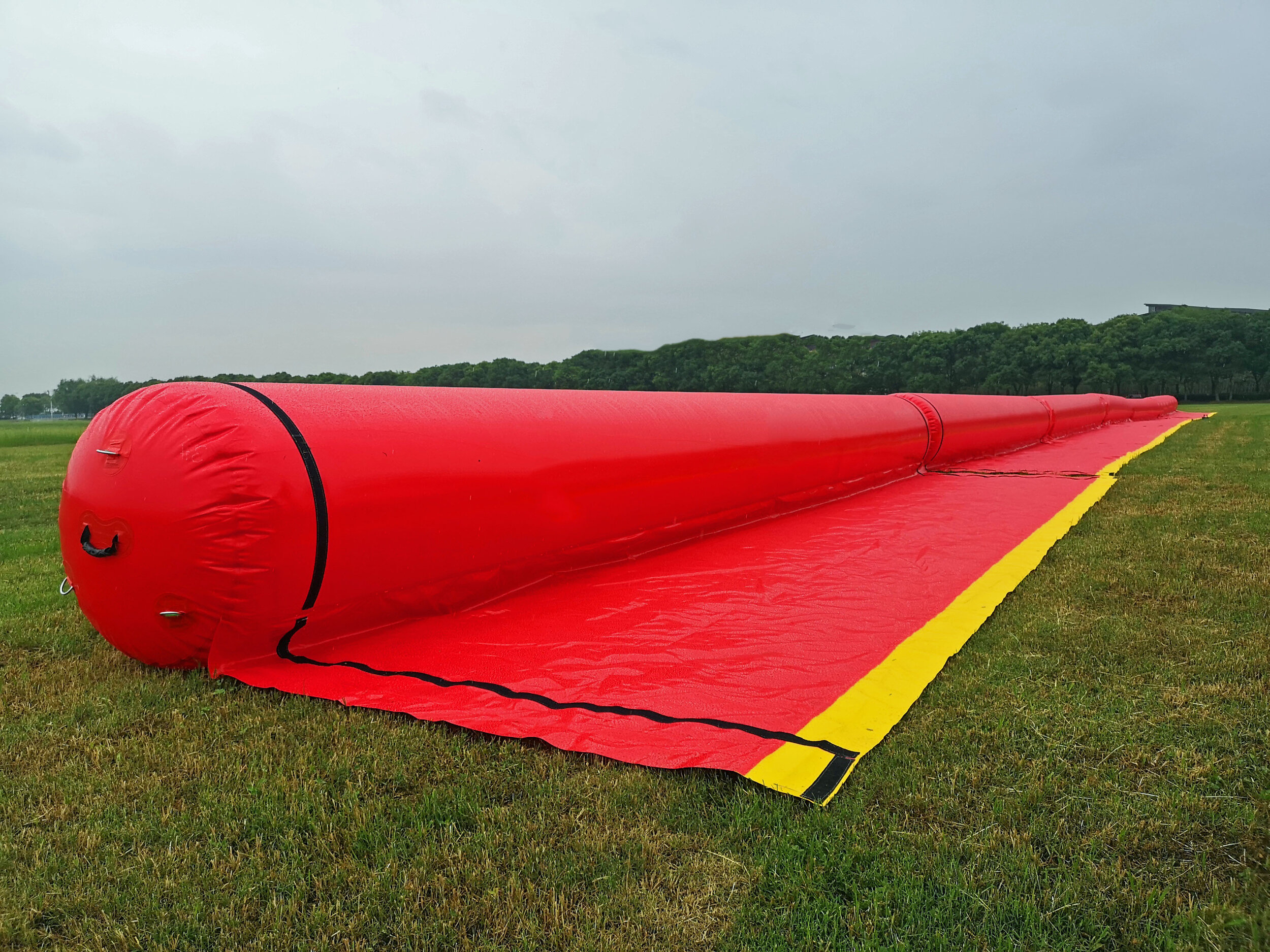
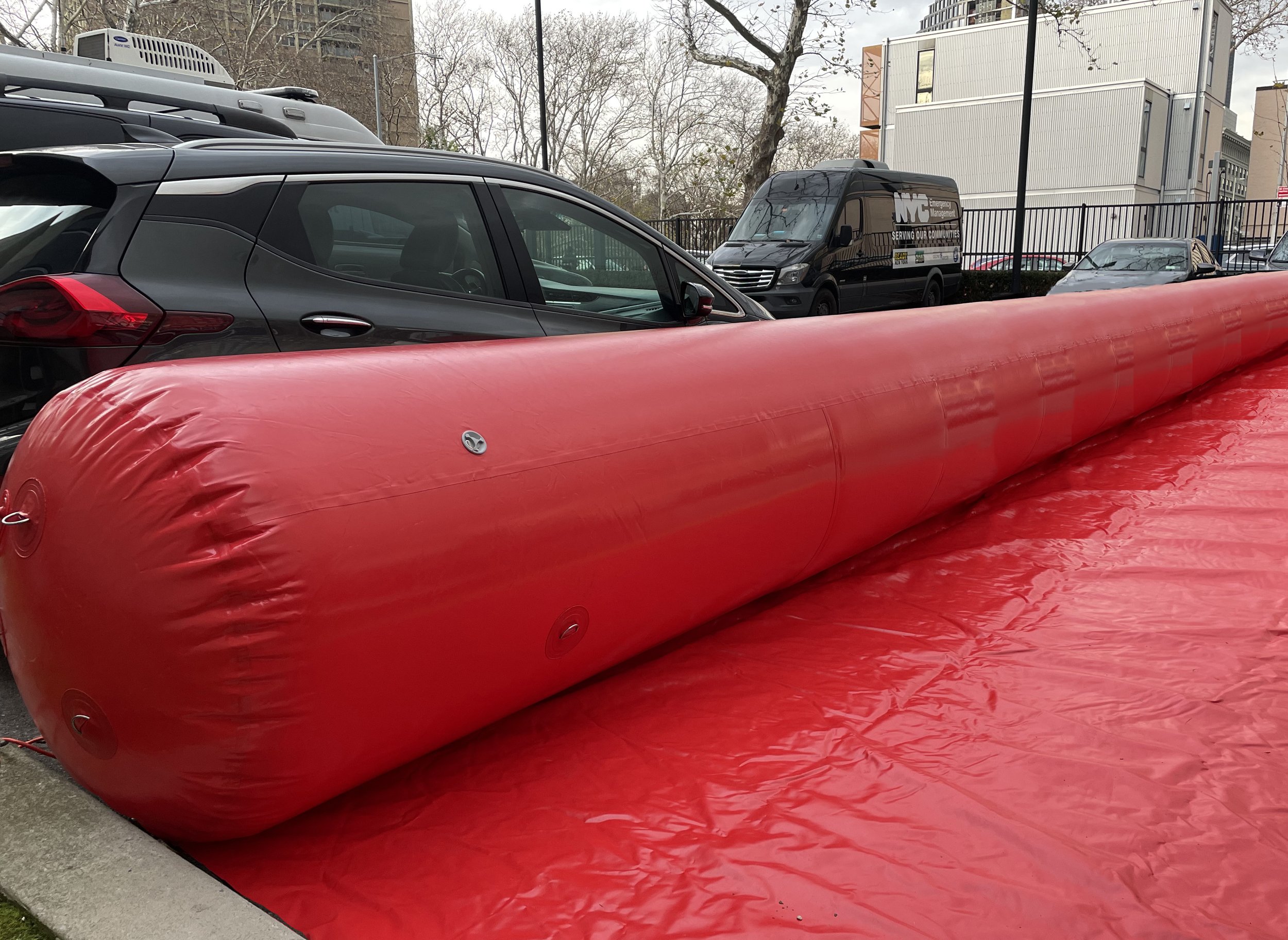
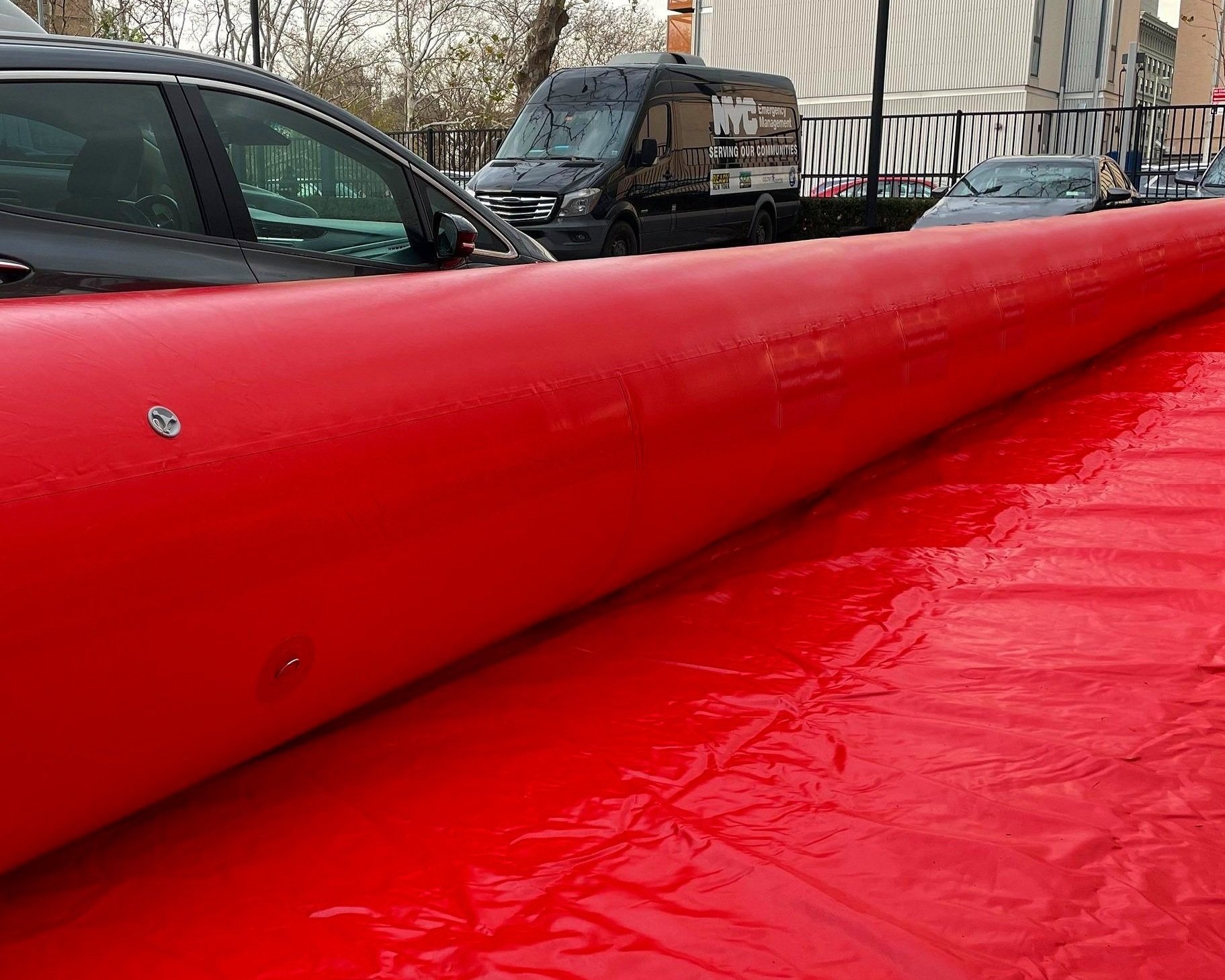
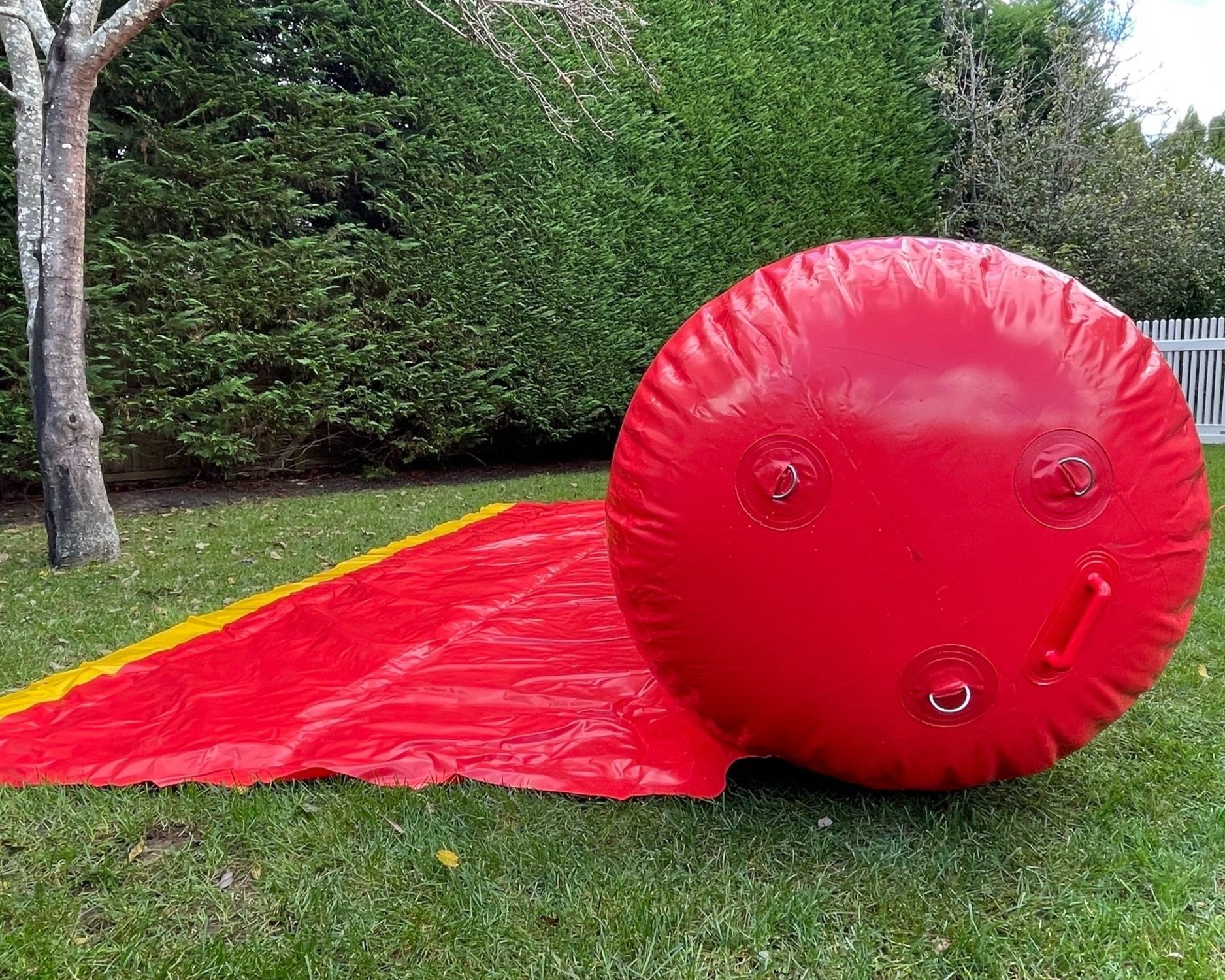
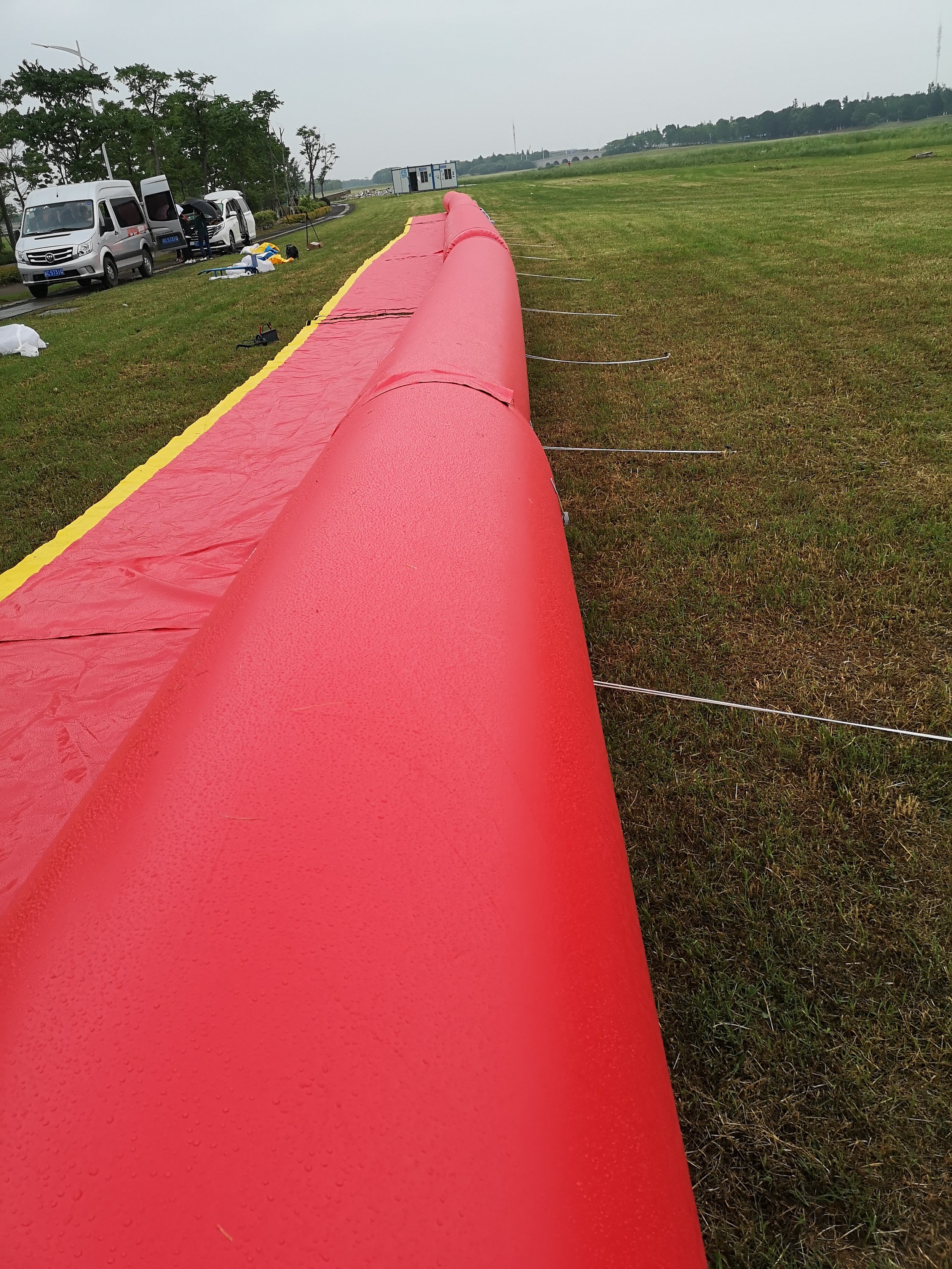
String rope through buckles on each Serpent™ tube
Tie a knot that a ground stake can be placed through
Insert ground stake through knot loop and tighten the line
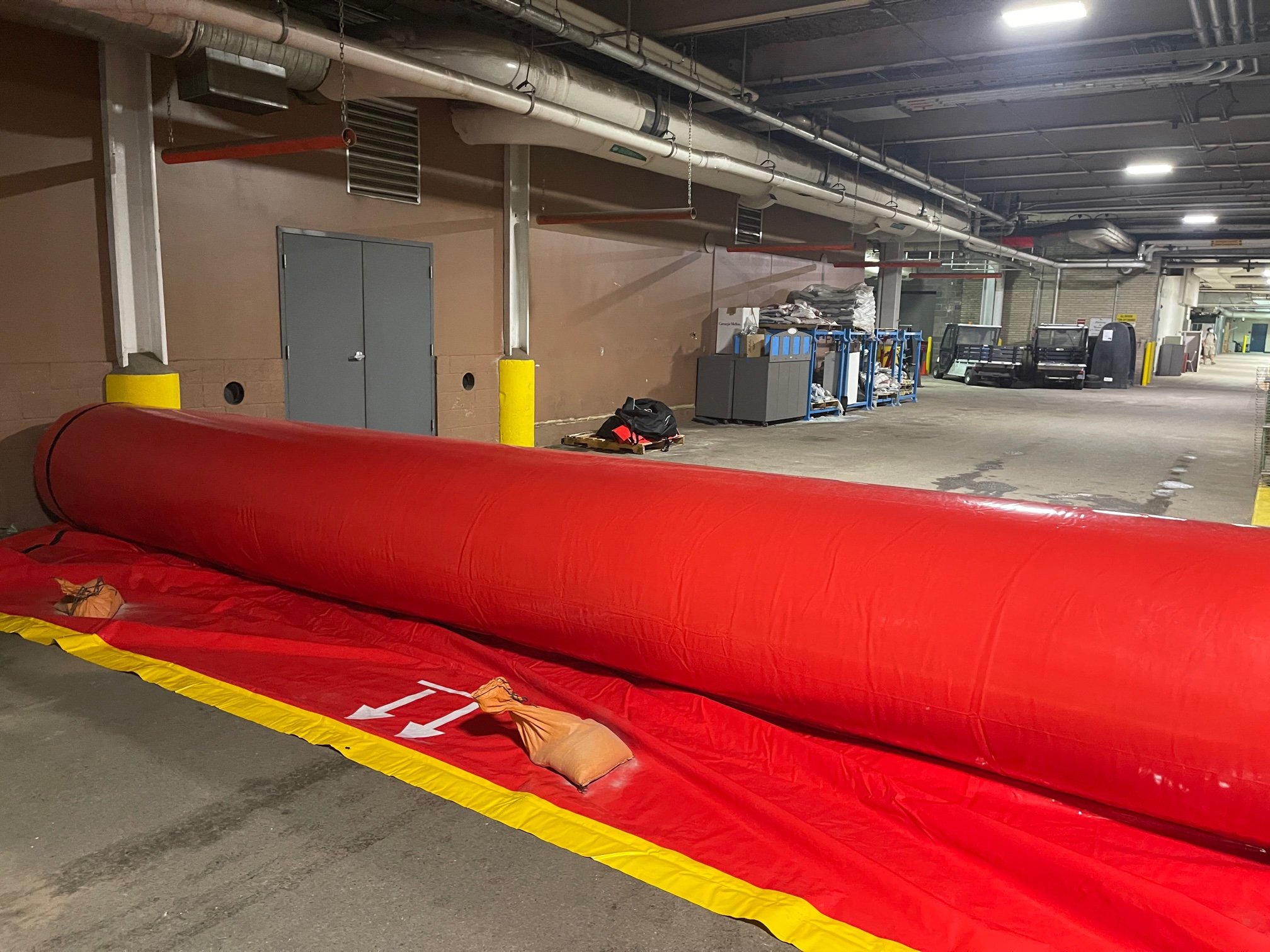
Insert stakes through reinforced holes on skirt for added stability

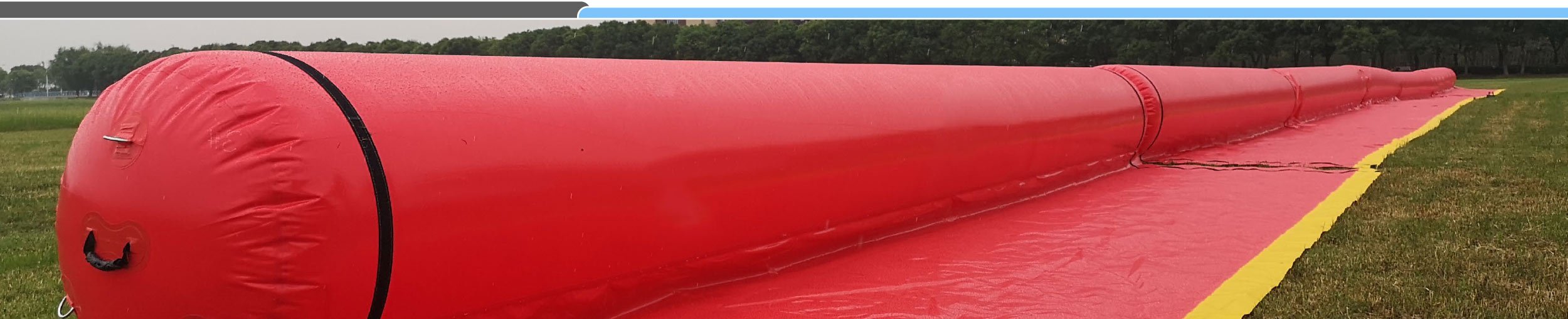
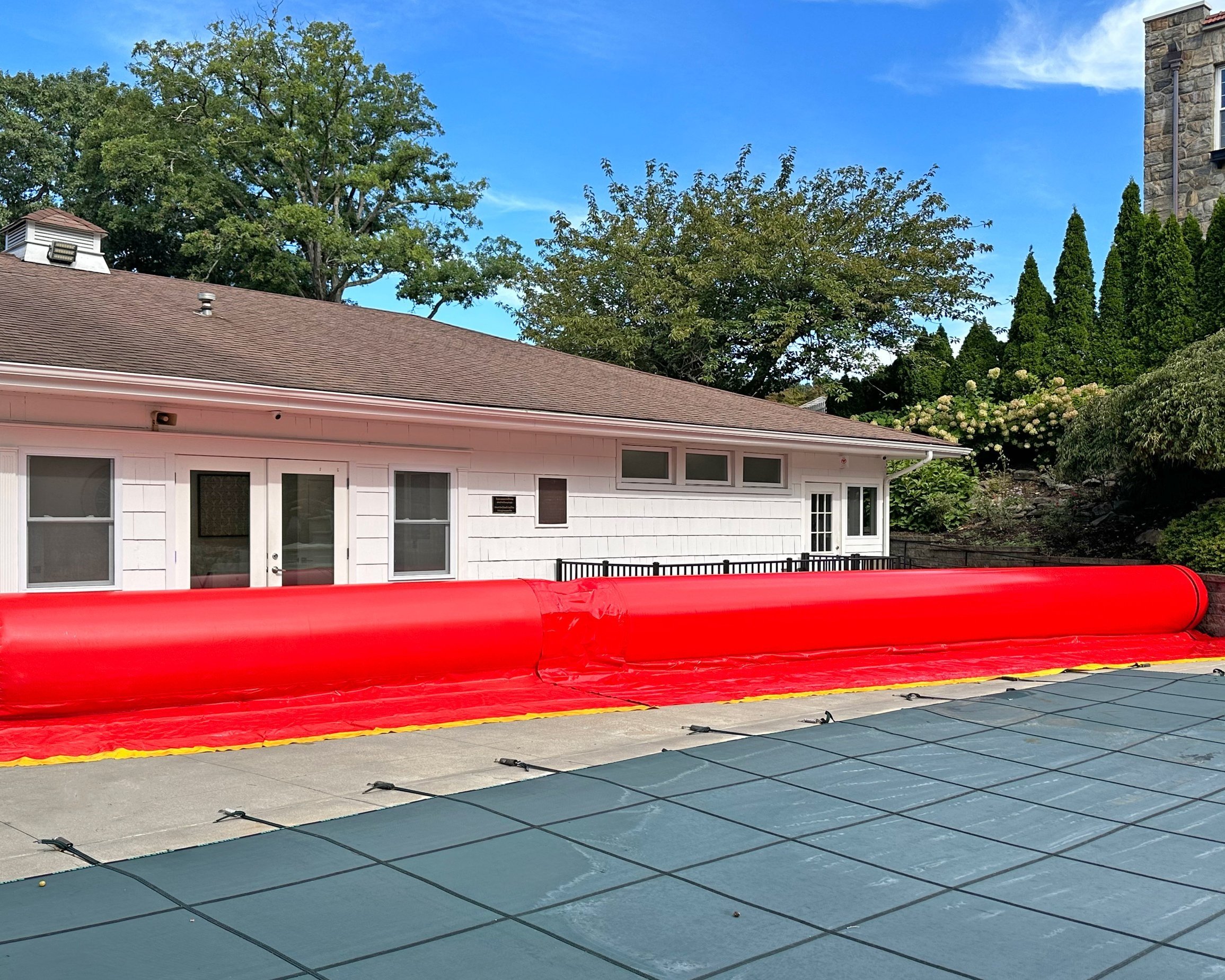
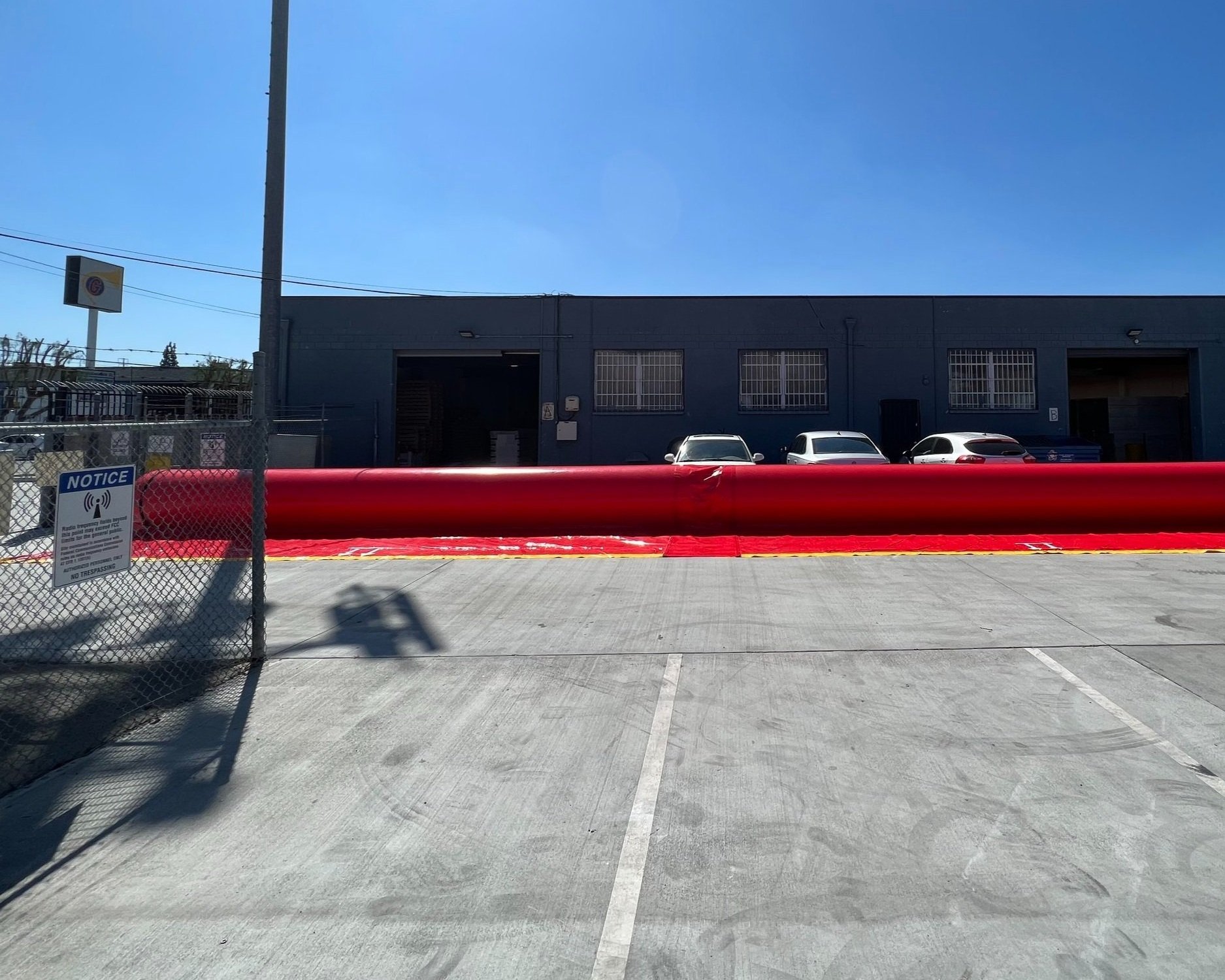
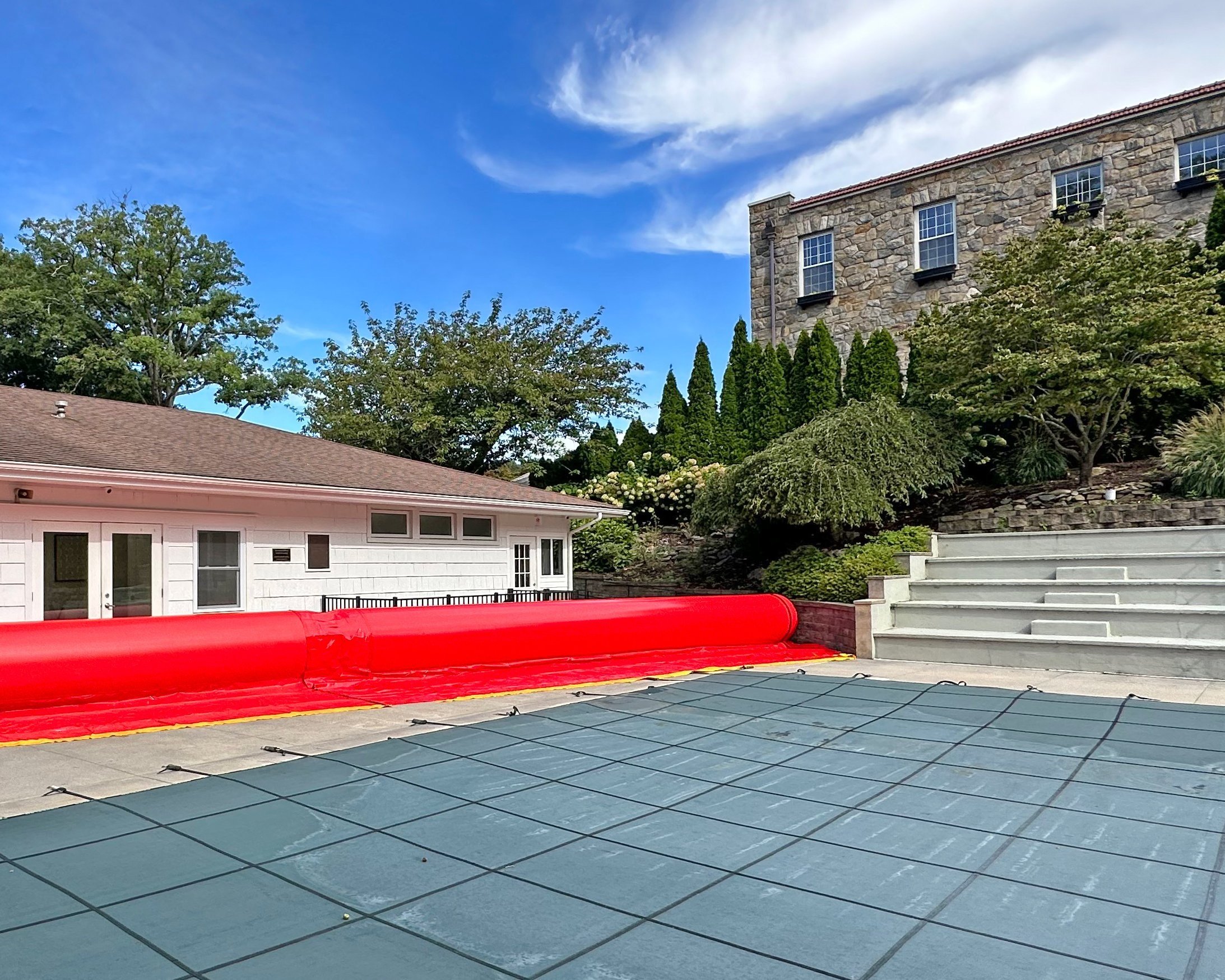
Attach Sections as Needed To Lengthen Your Flood Barrier
Insert rope through metal loops on adjacent Serpent™ tubes
Tighten tubes to each other and close the spacing between tubes
Unroll and place velcro connector sheet over the two tube and velcro down to seal the gap


-
-
The Serpent Inflatable flood control tube is manufactured using high quality composite PVC mesh material that is UV treated, anti-static, waterproof, and chemical and oil resistant.
-
Each tube has incredible tear and tension strength although we do not recommend placing the tube on anything sharp.
-
The Serpent™ flood tube comes with a standard air pump and connector, however, you can use your own own air pump. We recommend at least 7psi for filling Serpent tubes. Note that some cars have AC outlets but you need to check to be sure that your car can handle the power requirements for a pump. If not, ensure you have sufficient AC power available to inflate Serpent.
-
Unrolling Serpent can be done by one person in a few minutes. Inflation of a 15ft Serpent usually takes about 8-10 minutes at 6 psi. A 30ft Serpent is usually about 12-18 minutes. Once inflated, positioning tubes, seaming two tubes together with the velcro seaming trips and staking sections will take about 10 minutes each.
-
Each tube comes with an accessory bag that includes (2) Pieces of rope, (5) Staking Nails, (1) Velcro Tube Connector Sheet, (2) Puncture Repair Patches, (1) Transport Bag (1) Air Pump (1) Hose.
-
Though we don’t expect you will need them, each tube ships complete with 2 repair patches. Should you have any questions about repair of a flood tube, please reach out to sales@garrisonflood.com
-
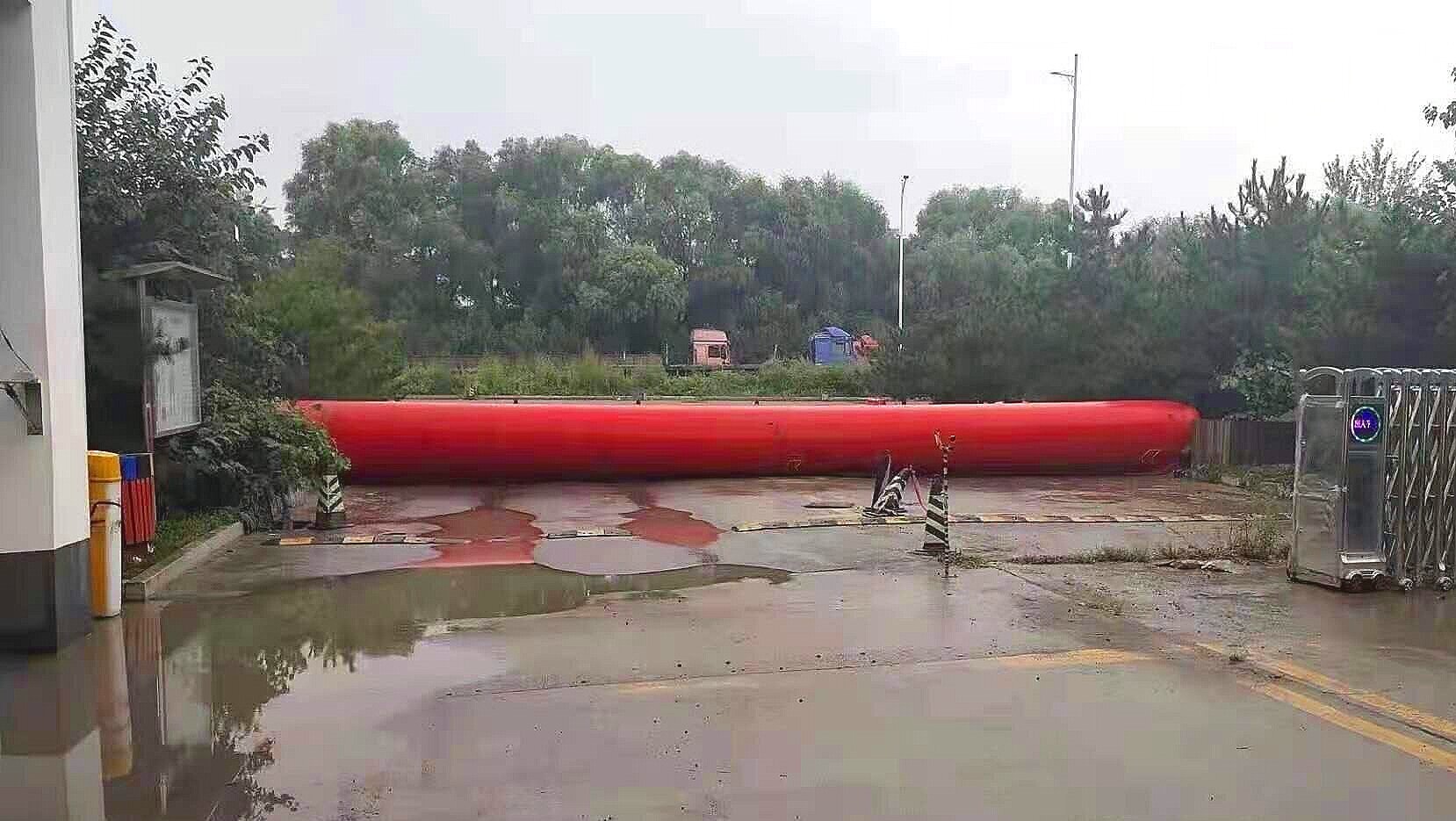
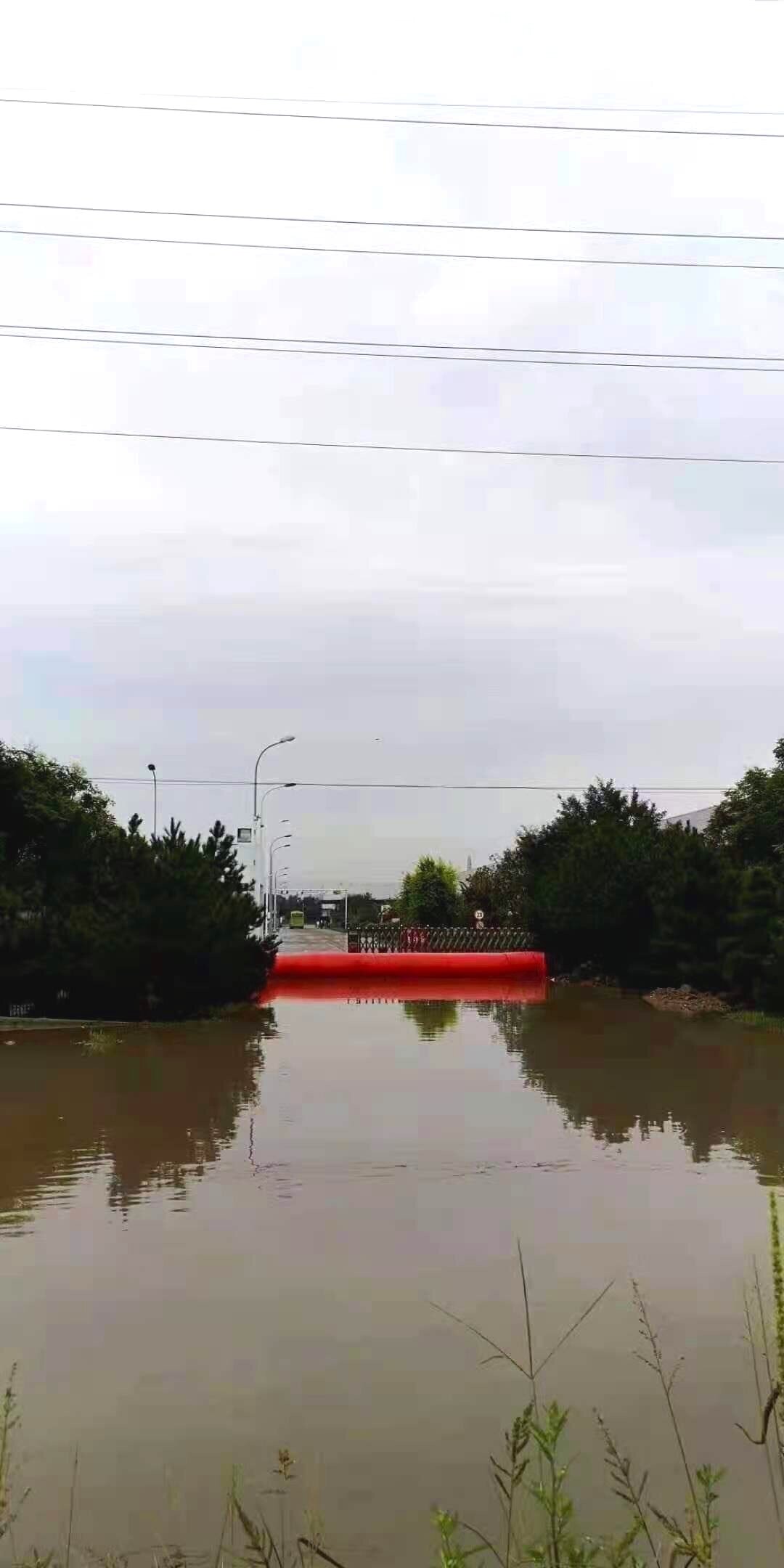
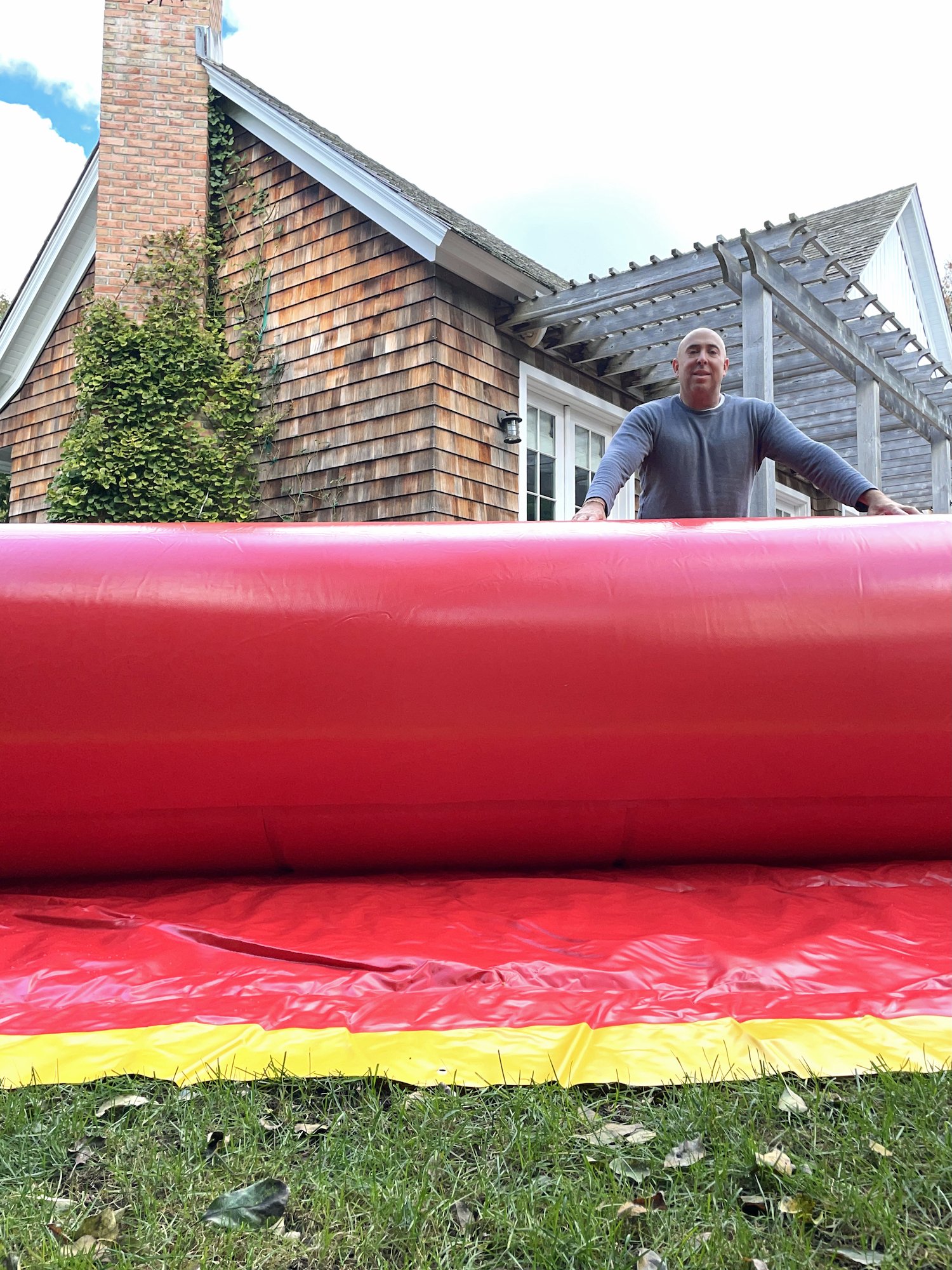
The Serpent is designed to hold back up to 3ft of water.
-
We recommend wiping down the exterior of the flood tube, while inflated, to remove excess water. Then, completely deflate the tube and roll back up after use. You will want to make sure the unit is dry before packing to avoid any potential mold. We also recommend wiping down all stakes before packing up.
-
We have 2 lengths, 15ft and 30ft and you can combine several units using the Velcro Tube Connector Sheet.
-
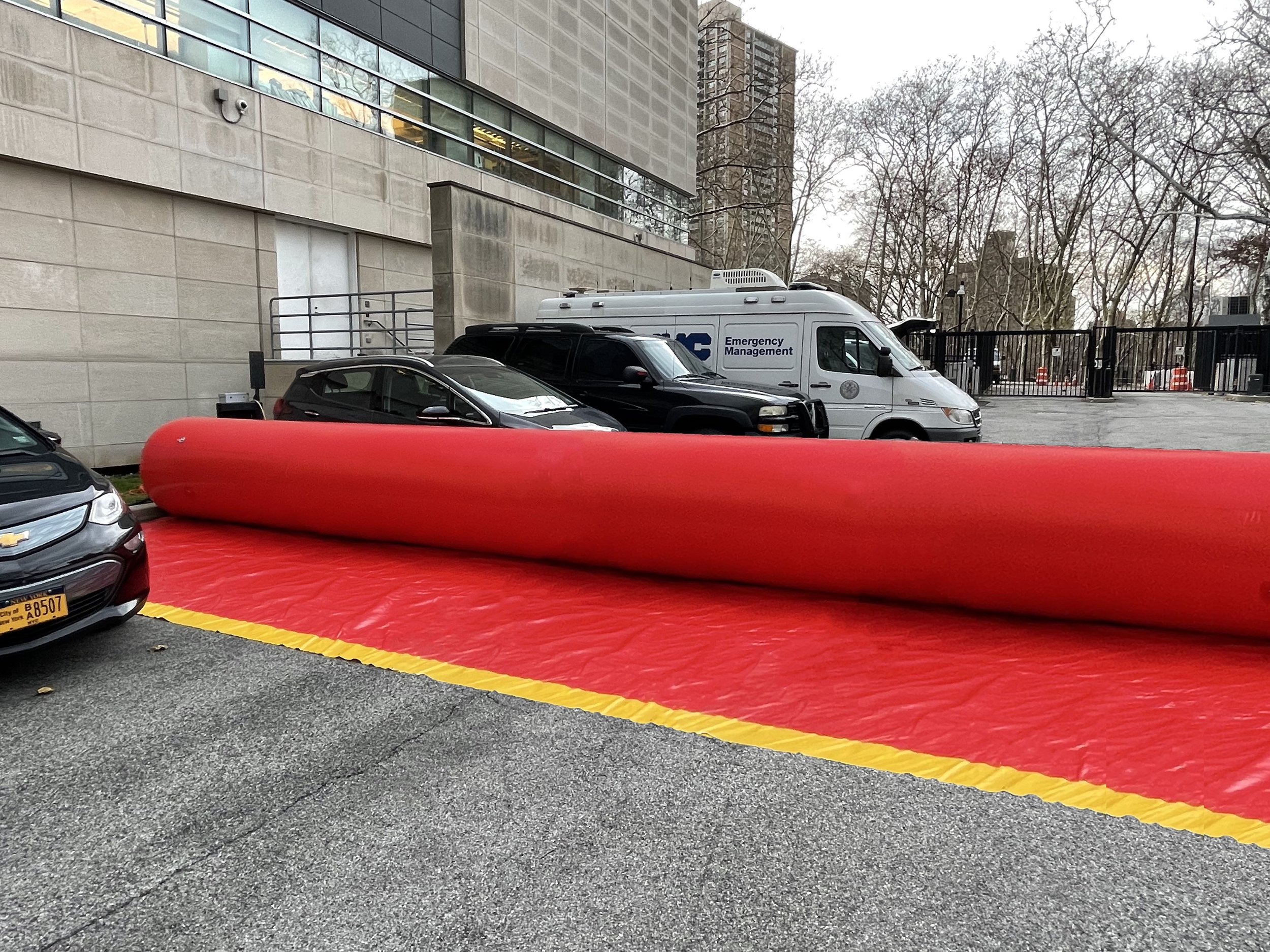
The Serpent is designed to provide 3ft of protection, whether it is around a building, surrounding sensitive infrastructure or diverting away from property. It is designed to go over grass, concrete/asphalt, gravel, and dirt/muddy ground. We recommend removing any larger rocks or sharp object prior to deploying, to prevent any punctures and ensure a good seal with the ground below.
-
The Serpent can be rolled out and inflated in under 10 minutes by a team of two people. We suggest two people carry each tube into position as it can be heavy for a single person to handle when rolled. Once unrolled, one person can unfold and position the tube. When tubes are inflated, they can be positioned using the integrated grab handles.
-
We recommend using the ropes to connect 2 units together. Ropes are also used to stake Serpent down using the included metal stakes.
-
While it is always an added benefit to stake the Serpent down, this may not be possible when deployed on concrete or asphalt. Whether staked or not, the weight of the water provides ballasts and holds the skirting and the tube down and in position. Where stakes are not able to be used, it is possible to stagger sandbags along the inside and outside of the skirting, as an extra precaution and to handle heavy wind conditions.
-
If there is a space between the Serpent and what you are protecting, we would recommend using a small pump to remove the rain water or any standing water from collecting behind the unit. This is a good practice generally, when deploying flood barriers.
-
Serpent tubes are inflated and then connected using ropes and integrated tie rings. Specialized fabric and Velcro tube connector sheets are connected to receiving Velcro strips on the ends of each tube and skirting.