

Flood Control Solutions for
Parks & Recreational Spaces
Prevent Flooding At Parks & Recreational Spaces
Each year, flooding causes billions of dollars in damage in communities all throughout the United States. Public parks and town recreational spaces face significant renovation costs as a result of flood damage that can cost significant amounts of money in public and private funding. Without proper drainage and an emergency plan, park flooding stands to have longterm negative after effects.
Programs, services and events being offered through public recreation spaces face the potential obligation of closure due to significant flood damage. In addition to closures, the rising costs of renovations and repairs have the potential to lead to municipal cuts in order to save money.
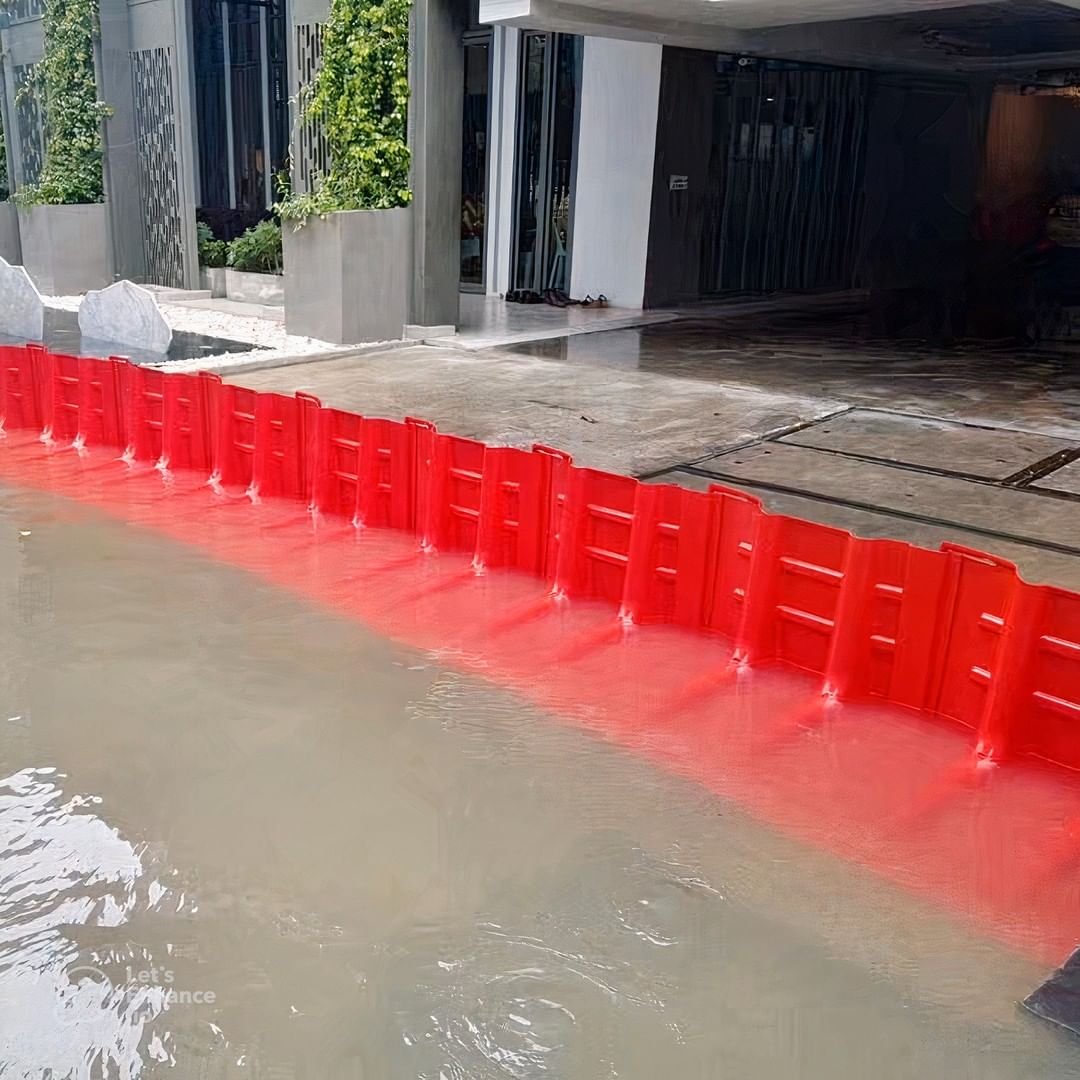
Garrison Flood Control helps your local parks and public spaces stay prepared and protected from the dangers of flooding. Garrison’s flood solutions are easy to use, applicable to multiple levels of flooding and extremely efficient. Always have a plan in place to protect against flood threats.
Most Common Causes & Areas of Flooding At Parks & Recreational Centers
Severe Storms & Heavy Rainfall
Canal, Lake or Pond Runoff
Lack of Sufficient Drainage System
Parking Lot Flooding
Flooded Grassland & Pathways
Sloped Parkland Hills


There have been hundreds of flood events at parks throughout the United States.

Flooded parkland and recreation sites often result in park closures by causing extensive financial damages.

All 50 states are subject to flash flood and severe flooding at parklands.

Garrison Can Provide Flood Barriers For:

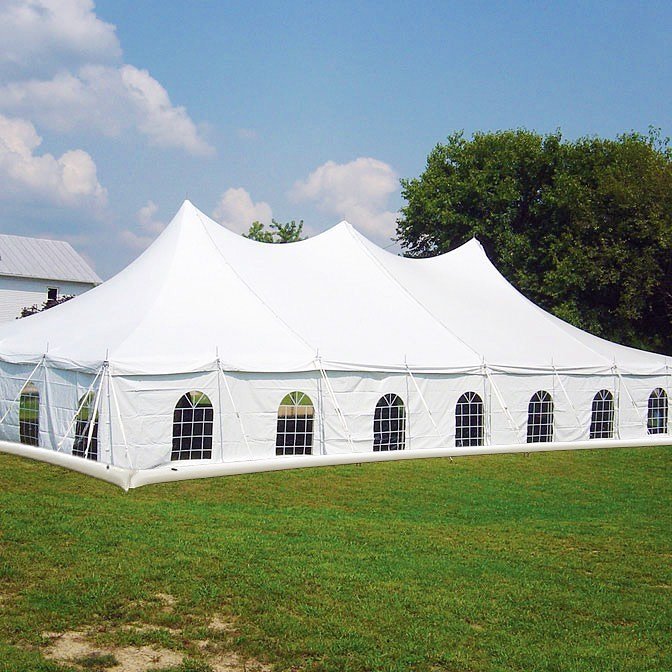
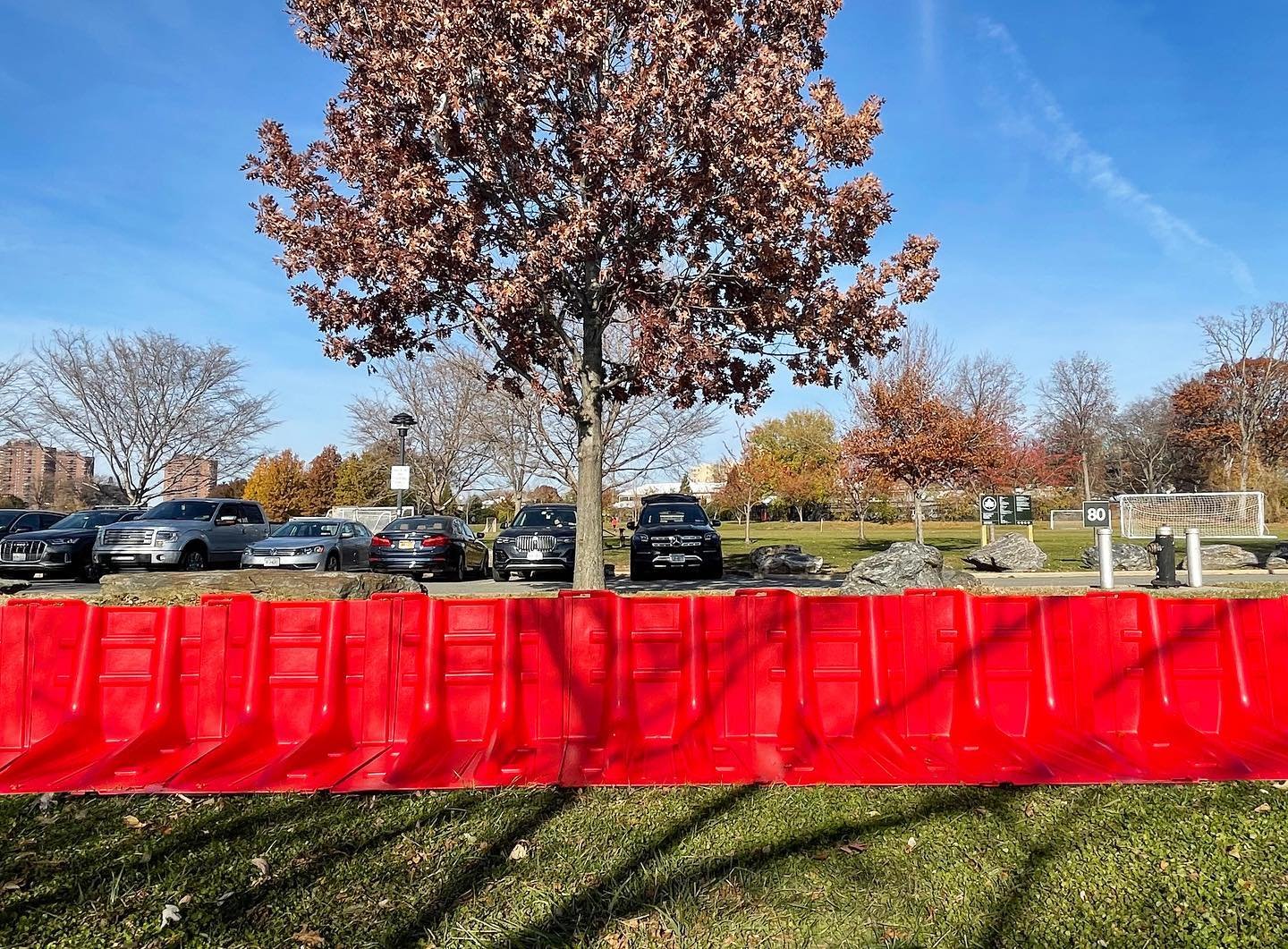
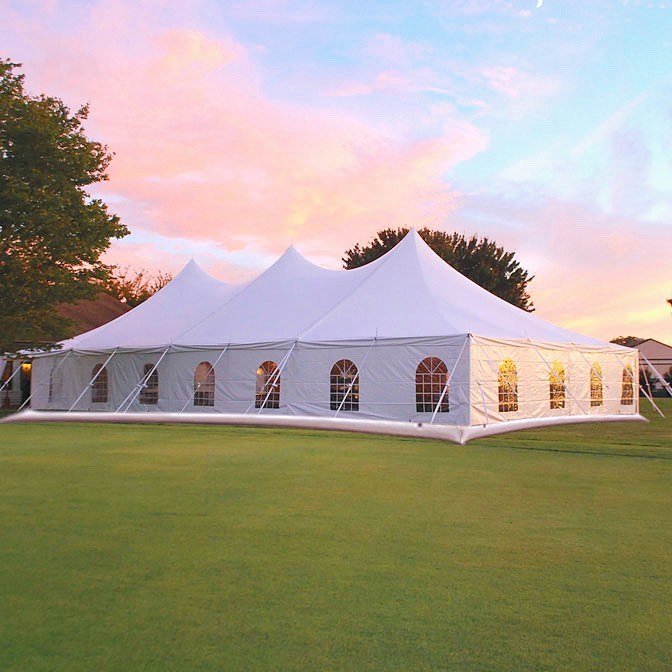
Parkland Tent Flood Protection
Divert Water Away From:
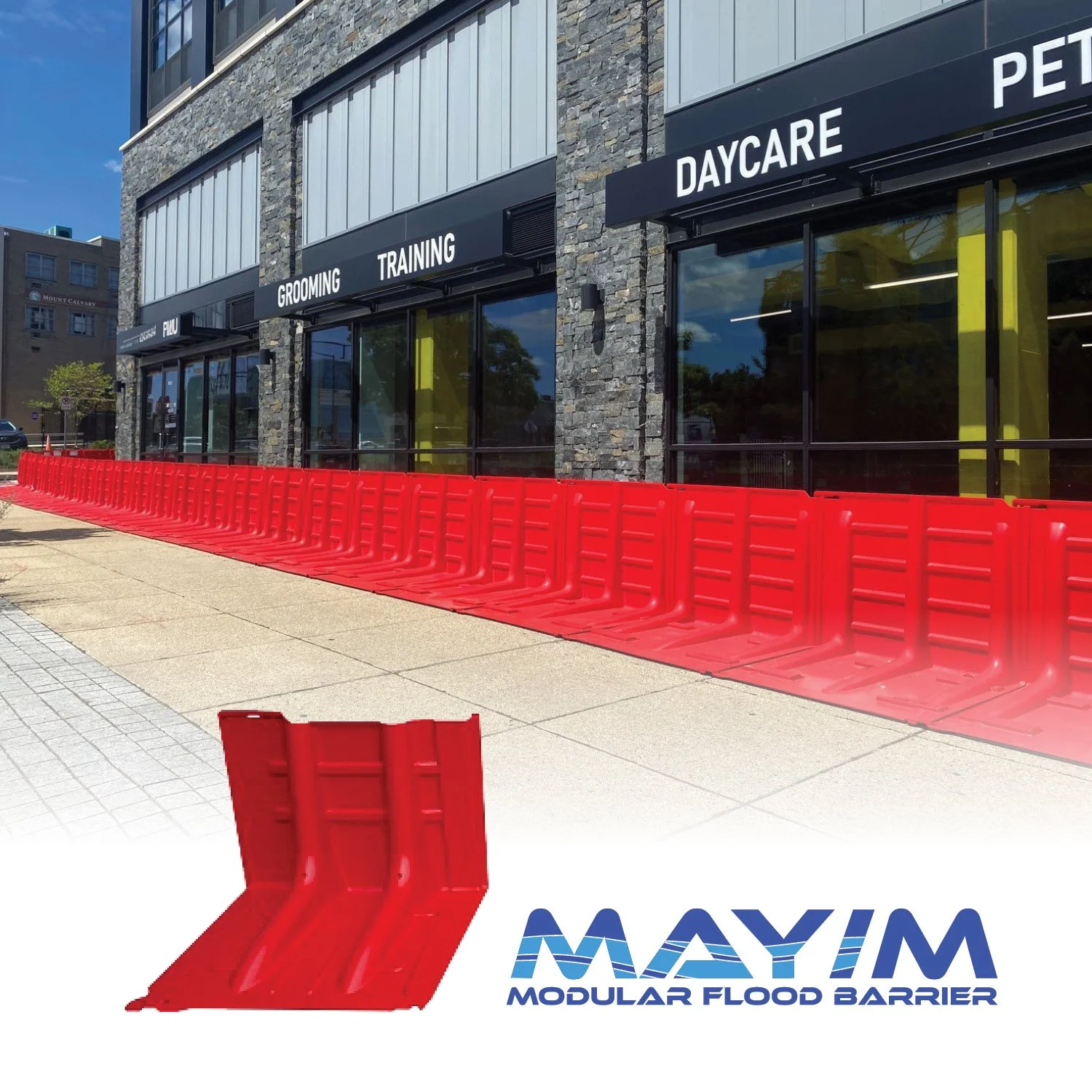
Tents, Canopies & Pavilions
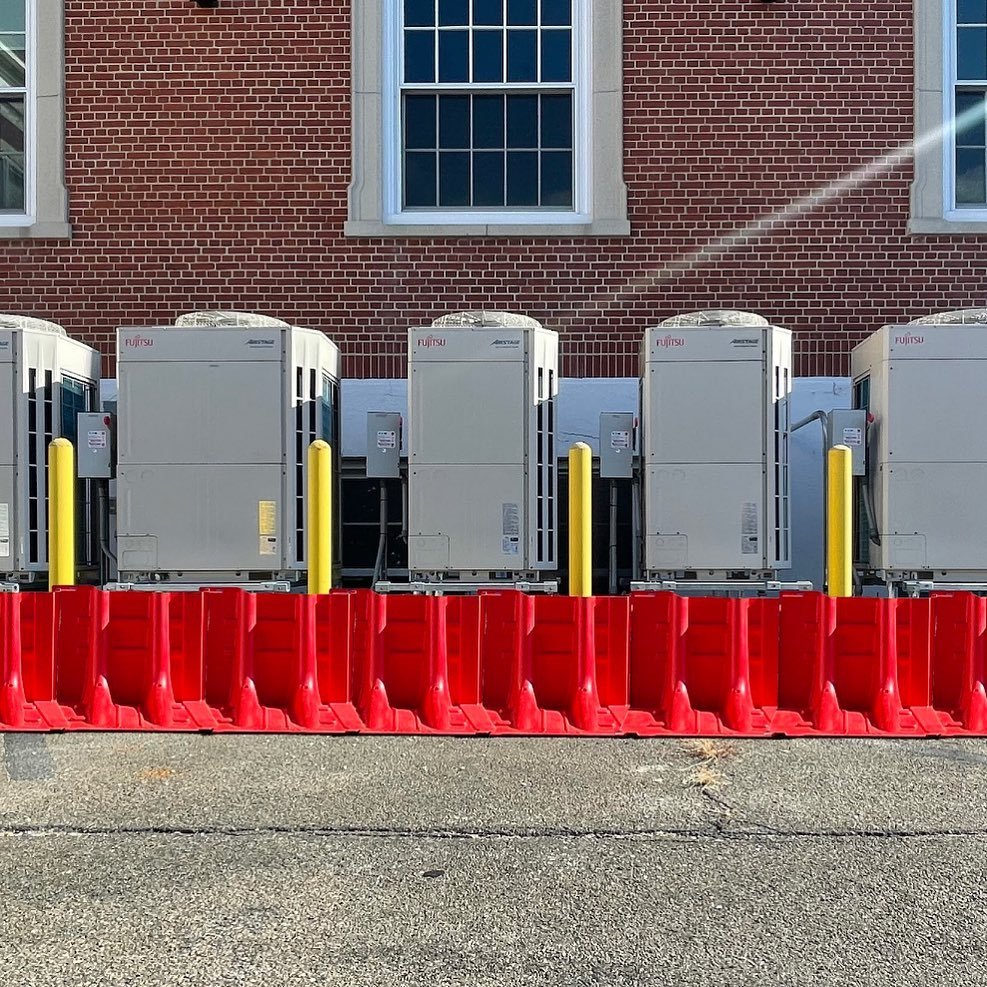
Vehicles & Parking Lots
Pathways & Roadways

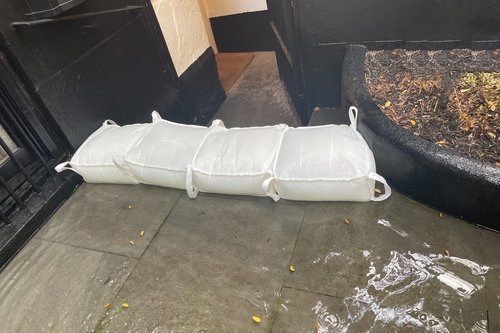
Park Office Flood Protection
Divert Water Away From:
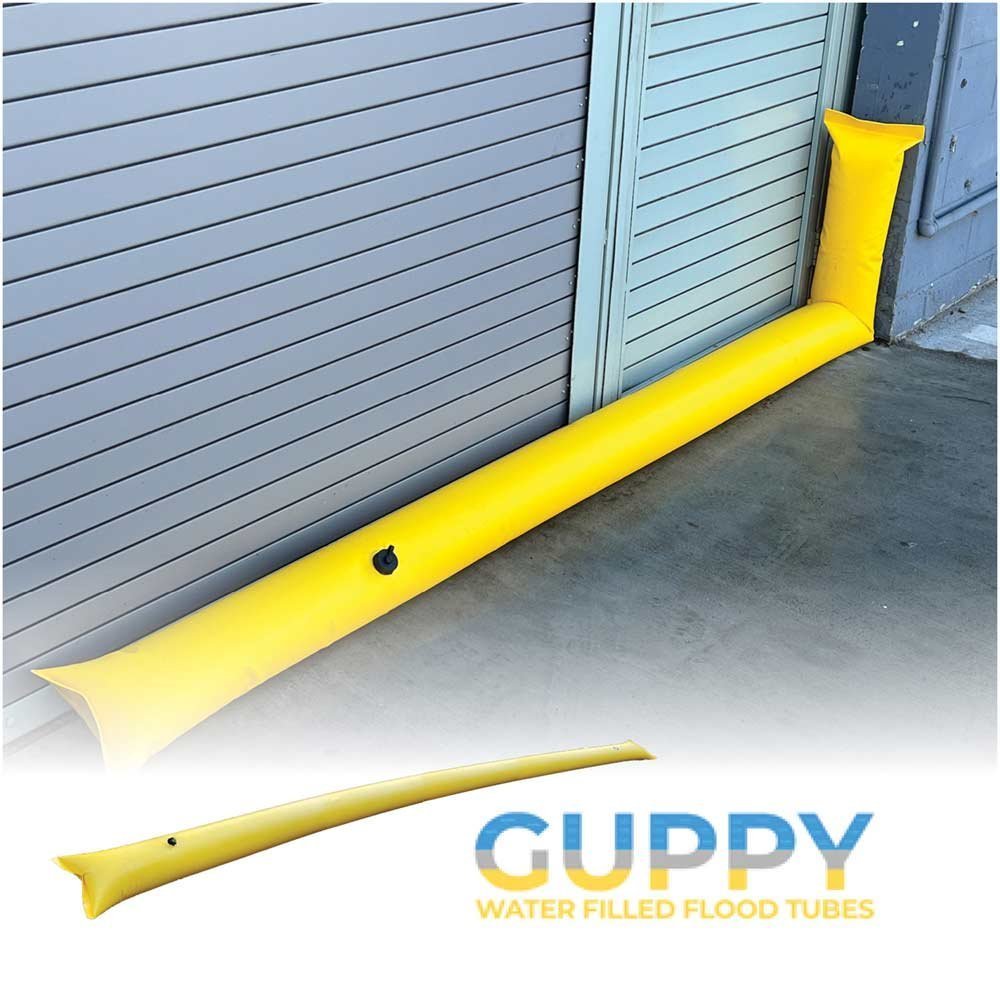
Administrative Offices
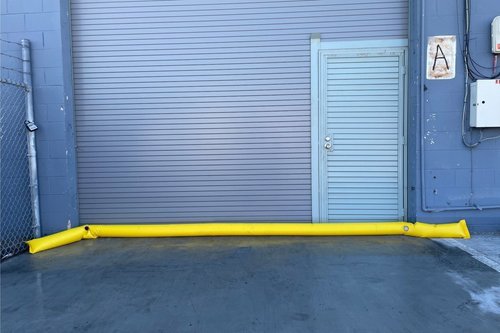
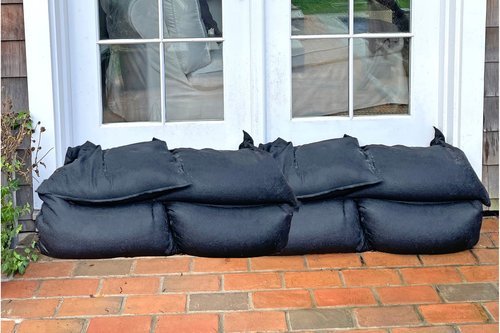
Doorways & Entryways
Stairwells & Basements

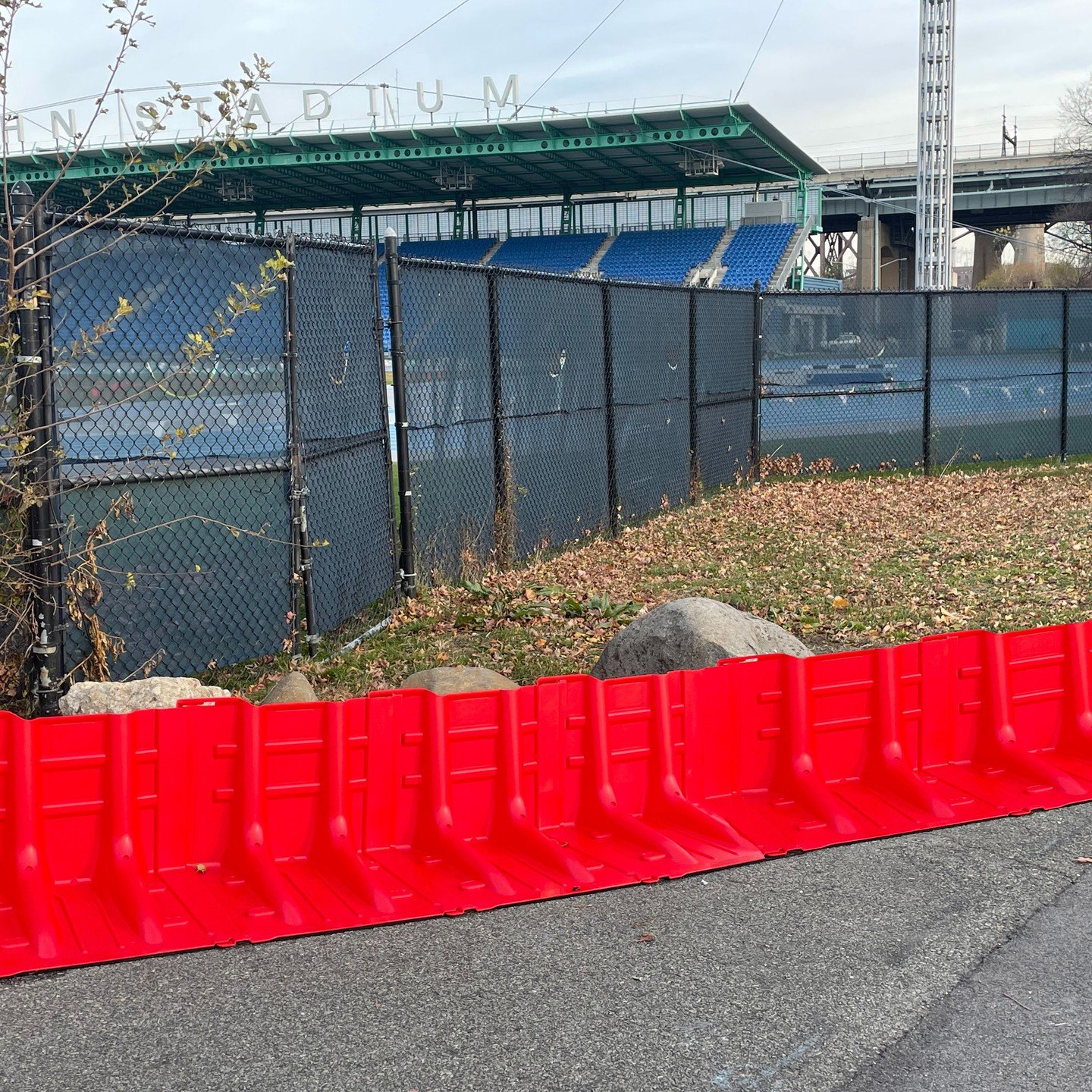
Recreation Parks & Lawns
Divert Water Away From:
Grasslands & Park Lawns
Recreational Parks
Park Sport Fields

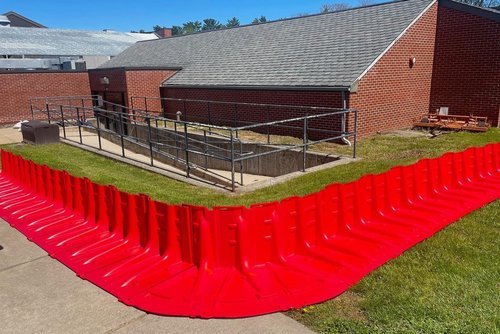
Outdoor Park Flood Protection
Divert Water Away From:
Outdoor Recreational Spaces
Park-Hosted Events
Recreation Spaces
Garrison, Your Partner in Flood Resiliency




Featured Project
Steamboat Springs
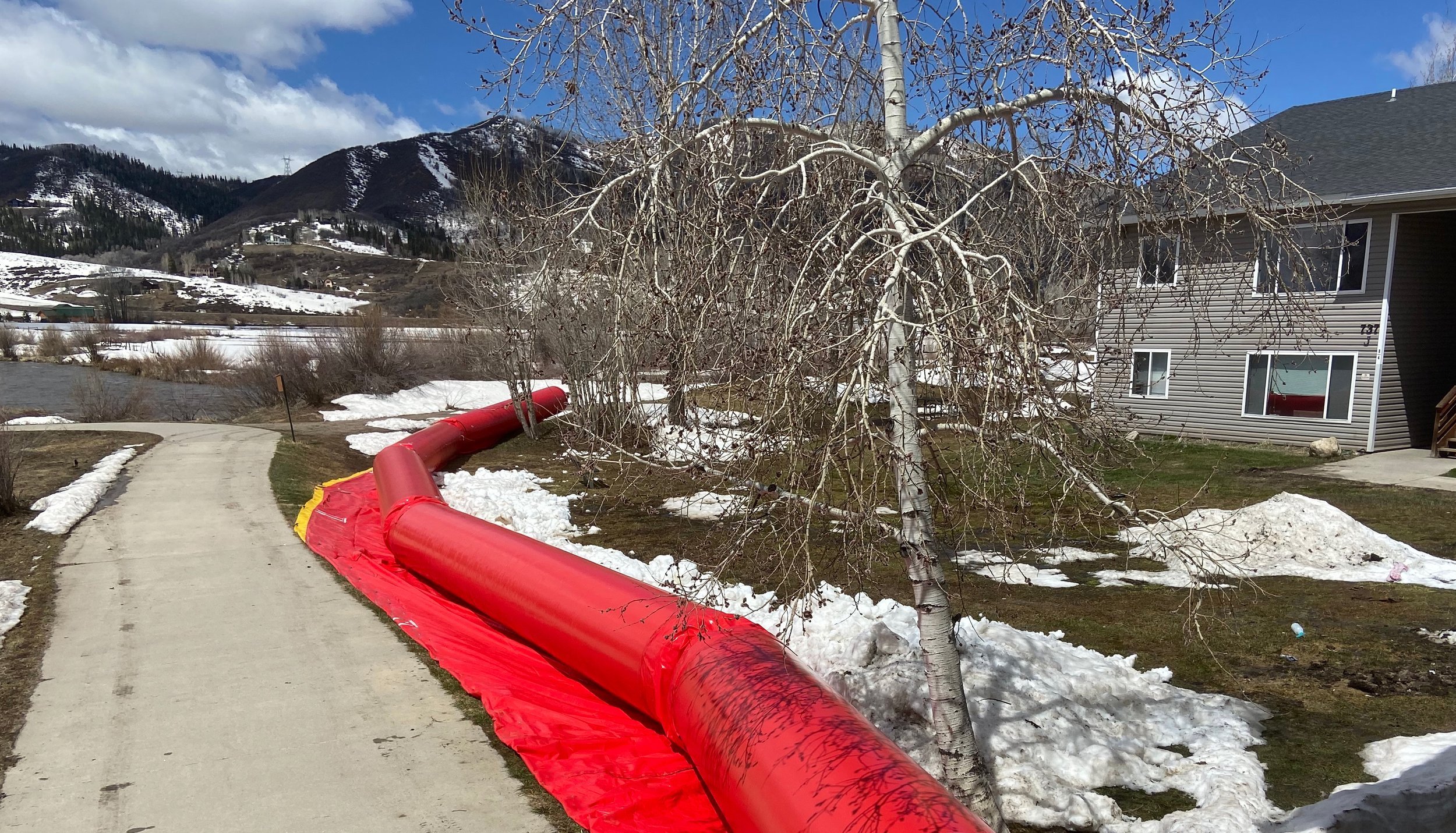
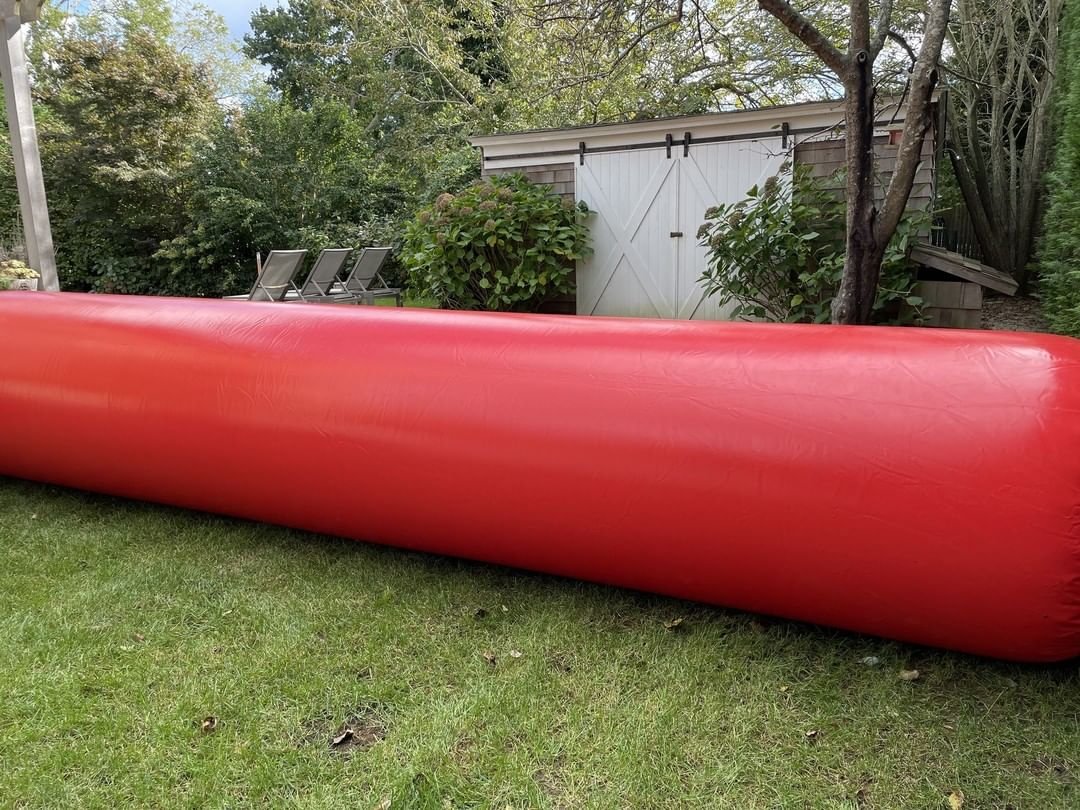
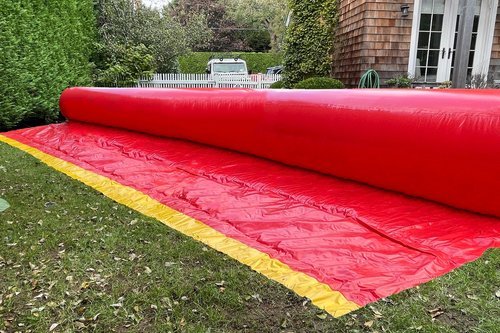
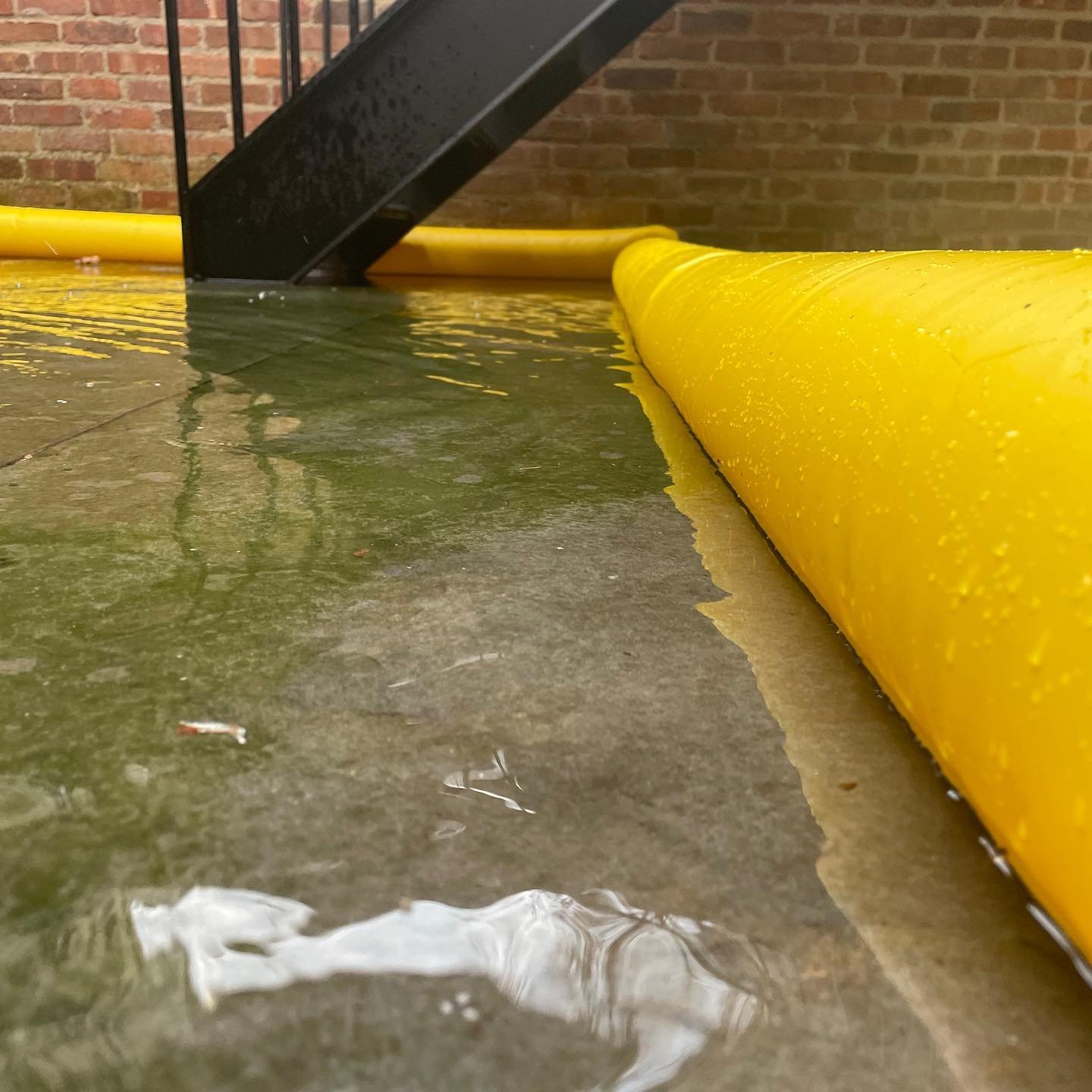
On the Steamboat Springs Resort property, some of the employee housing is located in a low lying area adjacent to the Yampa River. The resort faced a potential flooding challenge after having an above average year of snowfall. The mixture of potential snow melt and proximity to the river was feared to combine to create a flood threat that could detrimentally affect the block of employee housing. Our solution for the Steamboat Springs employee housing property was Garrison’s Serpent® Inflatable Flood Barrier System.
Predict ▸ Plan ▸ Prepare, with Garrison Flood Control


Contact Us
Feel free to contact us with any questions or for advice on the best flood control solution for your specific needs.
Start Protecting Your
Parklands & Recreational Centers Today
Frequently Asked Questions About Parks & Recreation Flood Protection
-
The best flood barriers for parks and recreational spaces are systems that can be deployed across wide outdoor areas and redirect water away from critical zones. Effective solutions include water diversion barriers, large-scale flood barriers, water-filled flood tubes, and perimeter protection systems. These solutions help protect fields, playgrounds, pathways, and park infrastructure, with providers like Garrison Flood Control offering solutions suited for large open environments.
-
Flood protection is important because flooding can damage public spaces, disrupt community use, and create unsafe conditions. Parks and recreational areas often serve as gathering spaces, so maintaining accessibility and safety is critical for communities.
-
Common causes include heavy rainfall, storm runoff, overflowing nearby waterways, poor drainage systems, and low-lying terrain where water naturally accumulates. These conditions can lead to widespread flooding across open areas.
-
The most vulnerable areas include sports fields, playgrounds, walking paths, parking areas, and low-lying open spaces where water can pool and disrupt access or damage infrastructure.
-
Flood barriers protect recreational spaces by redirecting or containing water before it spreads across fields, paths, and facilities. This helps reduce erosion, prevent damage, and maintain usability after heavy rainfall or flood events.
-
Yes. Flood protection systems are designed to be scalable and can be deployed across large open areas such as fields, trails, and community parks. Large water diversion barriers are especially effective for wide-area coverage.
-
Flood barriers can redirect water away from sports fields and playgrounds, preventing soil damage, turf loss, and unsafe conditions. This helps maintain the usability of these spaces for community activities.
-
Yes. By controlling water flow and preventing uncontrolled runoff, flood barriers help reduce erosion in landscaped areas, trails, and open spaces, preserving park infrastructure and natural features.
-
Flooding can make parks inaccessible, damage facilities, and disrupt recreational activities. In some cases, areas may be closed for extended periods while repairs are made.
-
The best strategy is to identify flood-prone areas, implement flood barriers in key locations, and prepare for rapid deployment during severe weather. Proactive planning helps maintain safe and accessible recreational spaces for the community.