
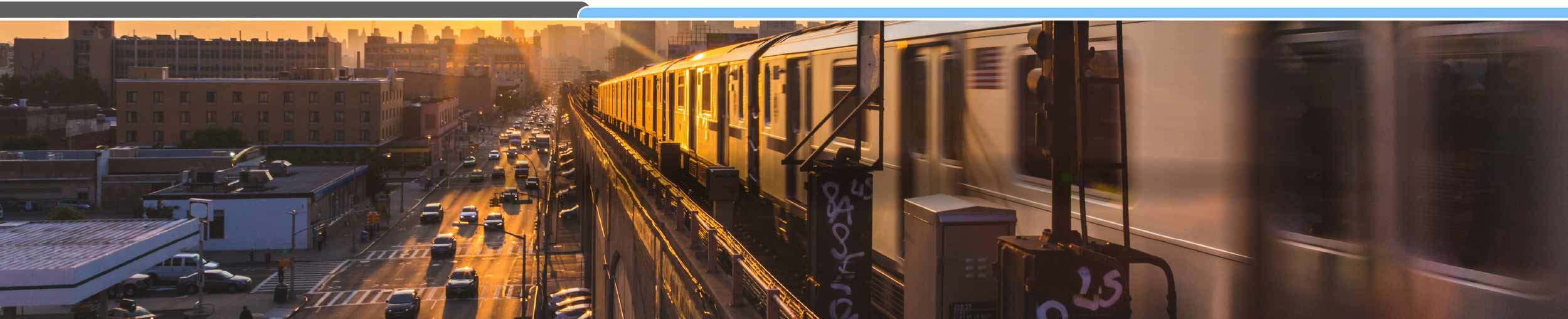
Flood Control Solutions for
Transit Systems & Subways
Prevent Flooding At Metro and Transit Stations
Public transportation systems rely on structural integrity as well as protection in order to stay on schedule. Flooding has the ability to not only derail, but to completely halt public transportation networks.
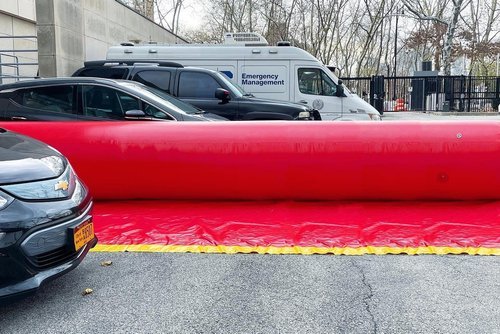
With a significant portion of public transportation being built underground, including subways and tunnel systems, they are usually the first to deal with the effects of catastrophic flood events in urban areas. When traditional drainage systems are overwhelmed due to rapid rainfall, overflowing rivers, or storm surges, transit systems can sustain millions of dollars worth of damage if unprotected. Transit authority yard flooding has the potential to damage buses, train cars, and maintenance vehicles, causing additional disruption.
Garrison Flood Control has the protective flood solutions to assist with public transit flood emergencies. In times where every moment of preparation counts, Garrison’s easy-to-deploy solutions provide effective way of protecting your infrastructure.
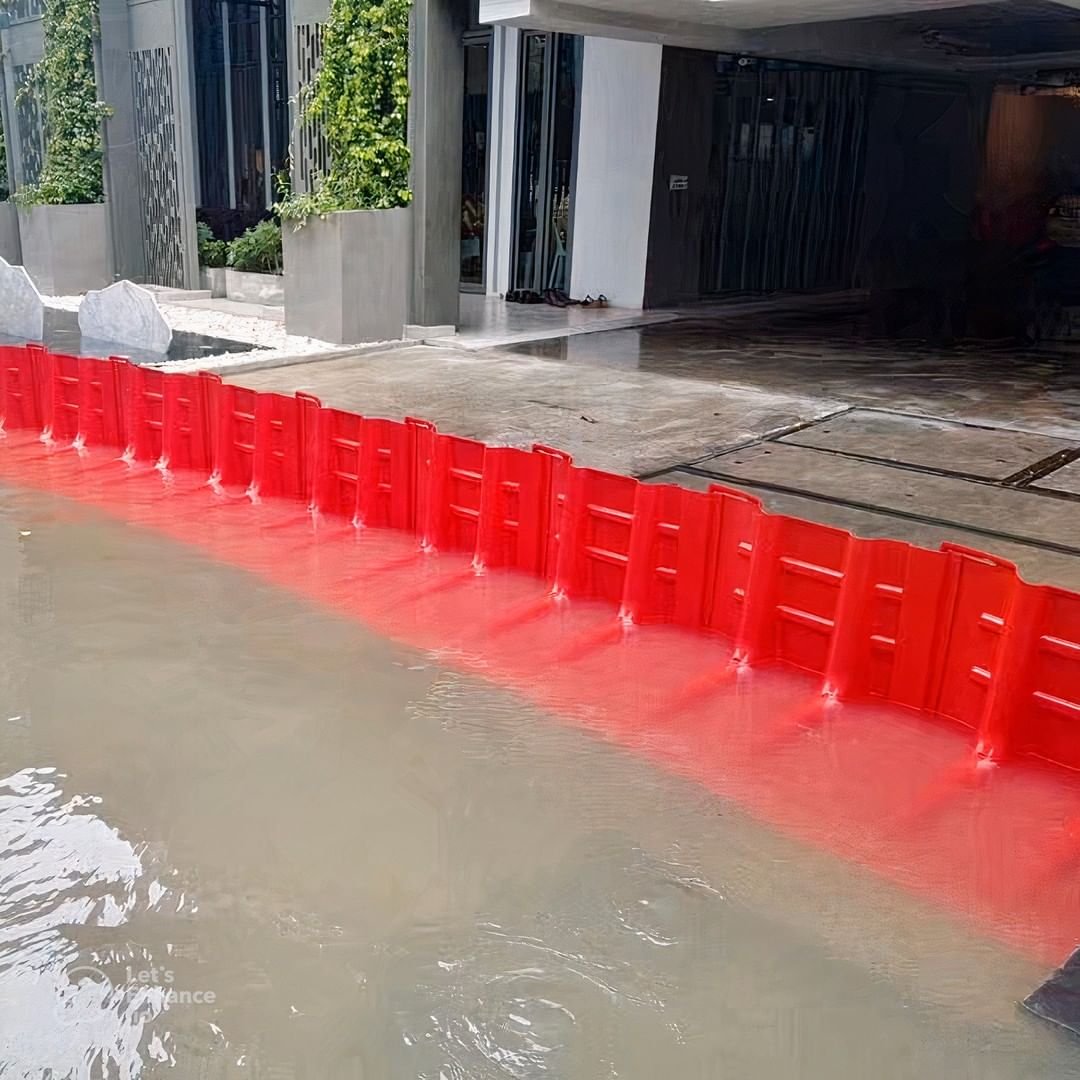
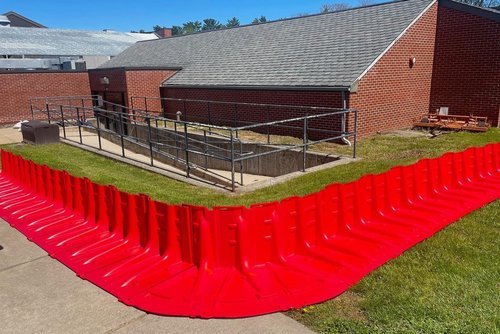
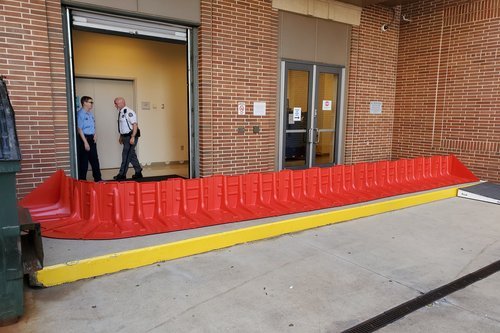
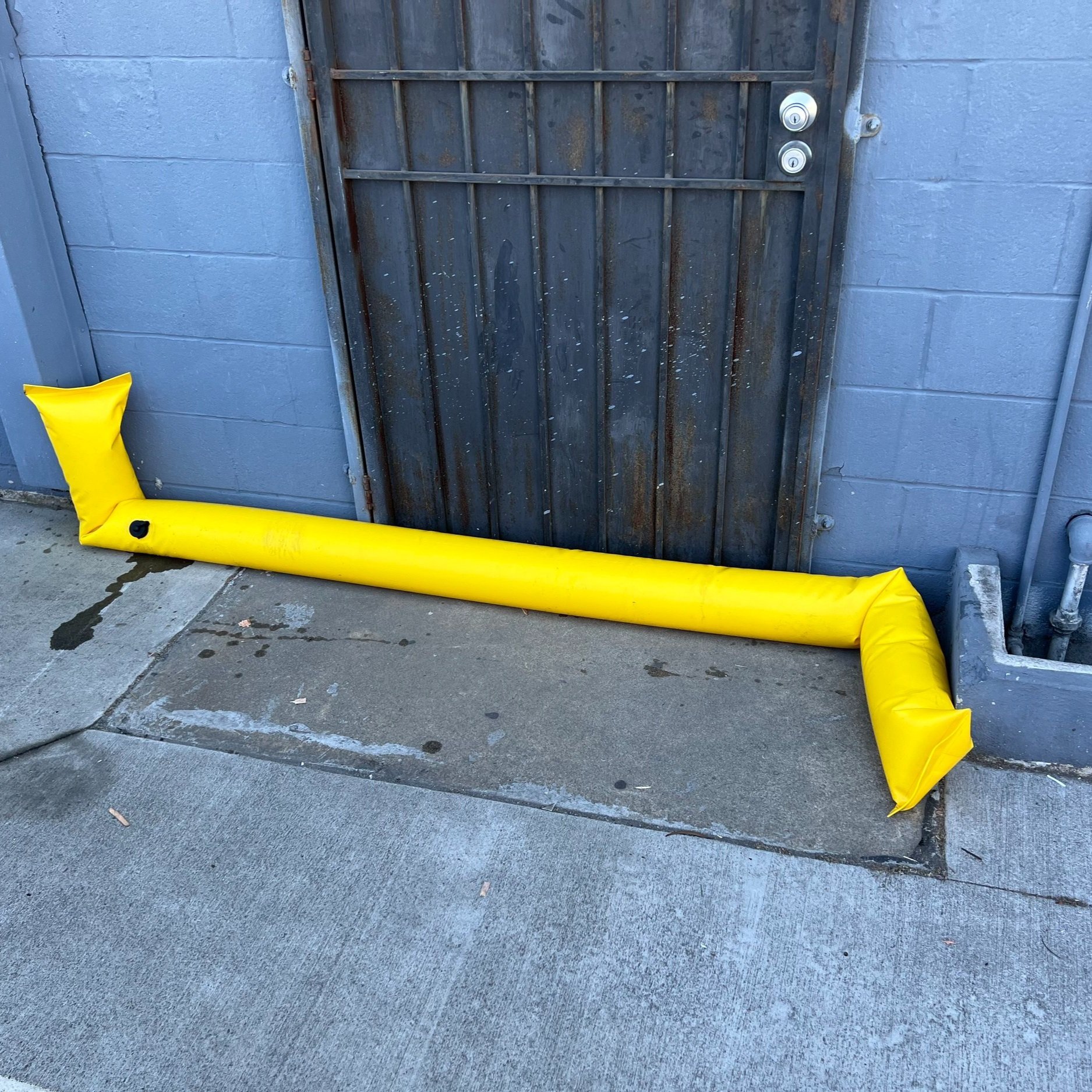
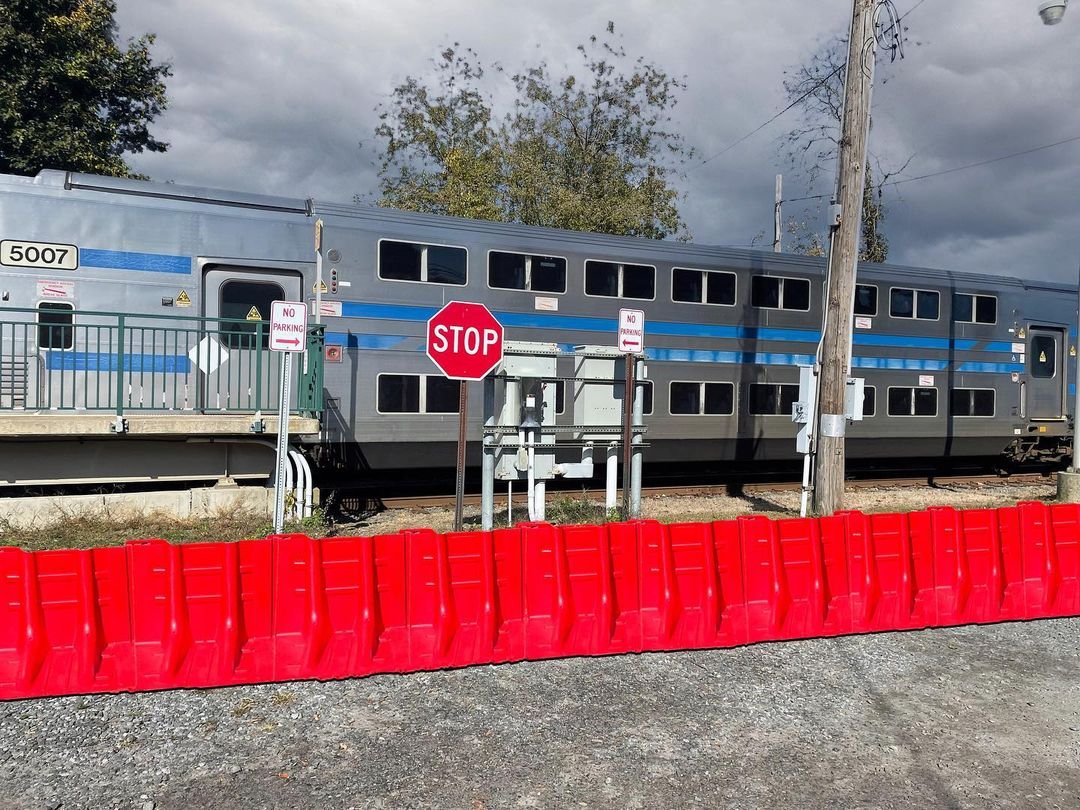
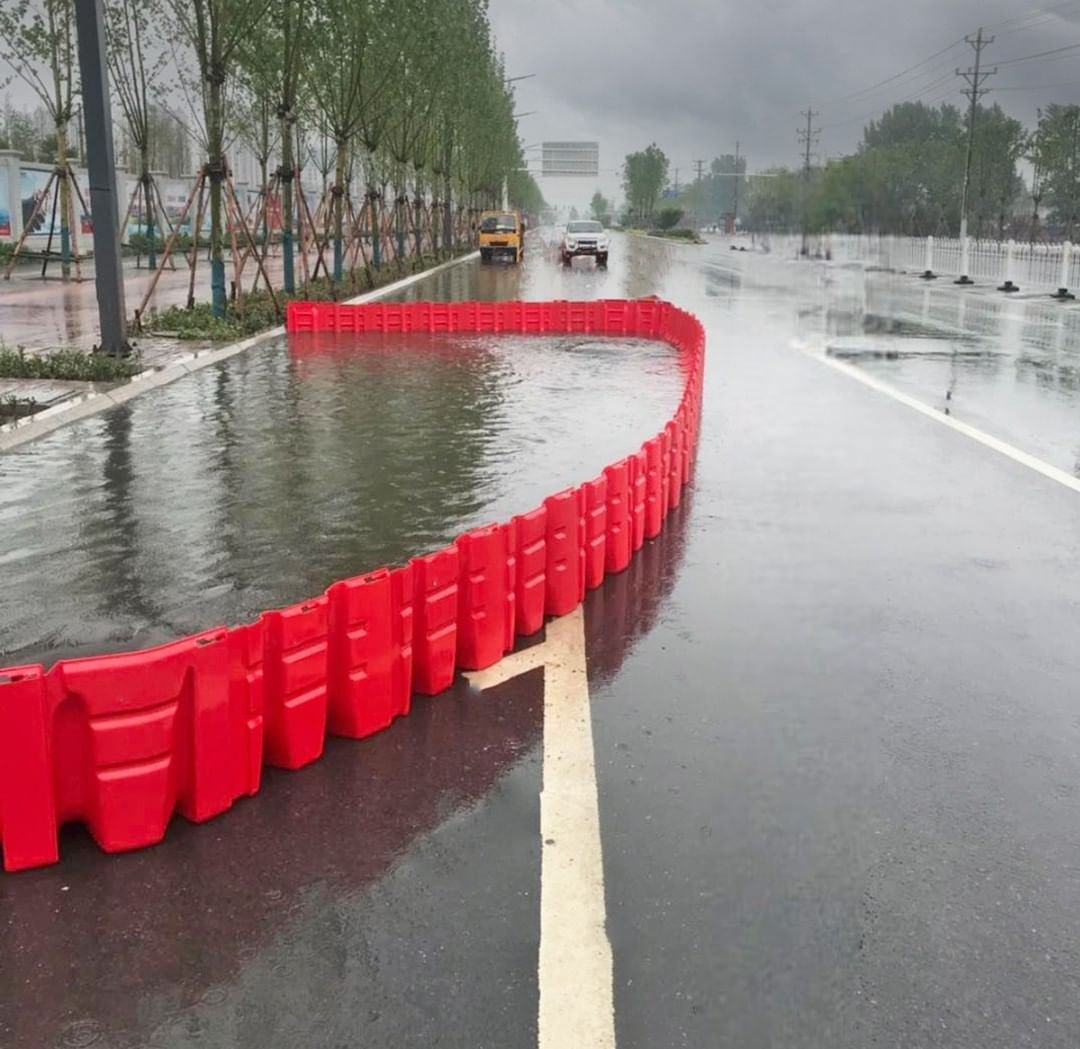
Garrison flood barriers help you contain and re-route water away from important facilities and can contain and hold back damaging water.
Most Common Causes & Areas of Flooding At Metro & Transit Stations
Severe Storms & Heavy Rainfall
Flash Flooding
Fractured Infrastructure
Flooded Streets & Roadways
Overflowing Drains & Sewers
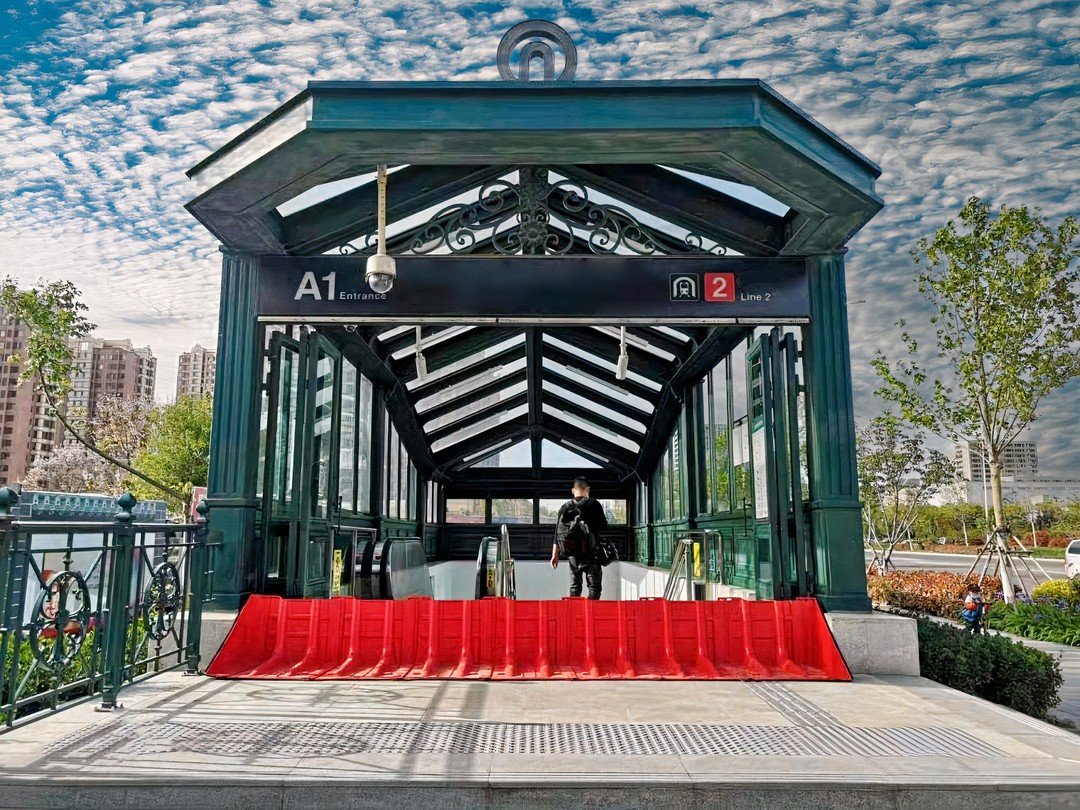
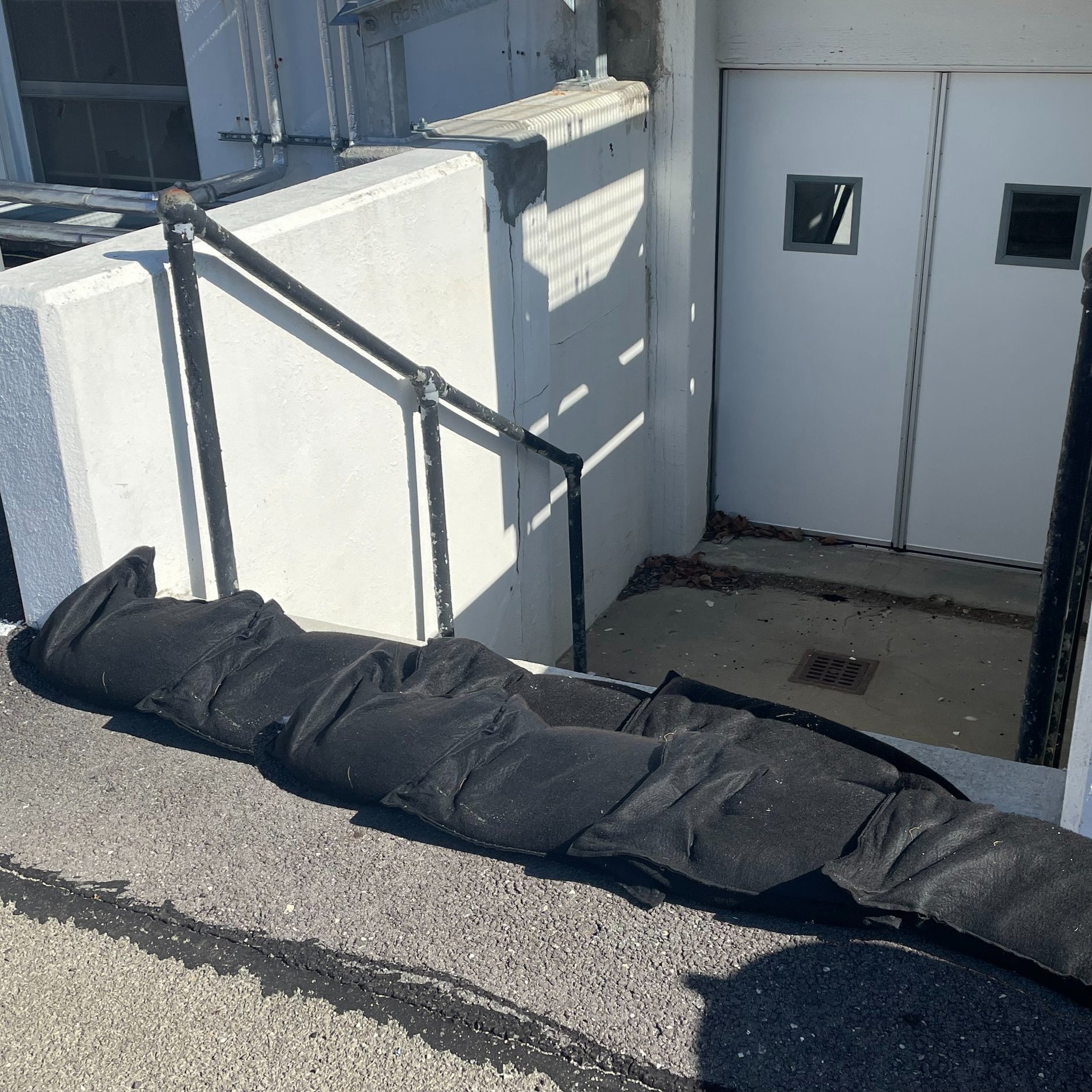
Unprotected stairwells.
Low lying tunnel entrances


There have been hundreds of flood events at train stations and underground metro stations throughout the United States.

Flooded stations often result in cancellation or postponement of commuter services and results in extensive financial damages.

All 50 states are subject to flash flood events.

Garrison Can Provide Flood Barriers For:

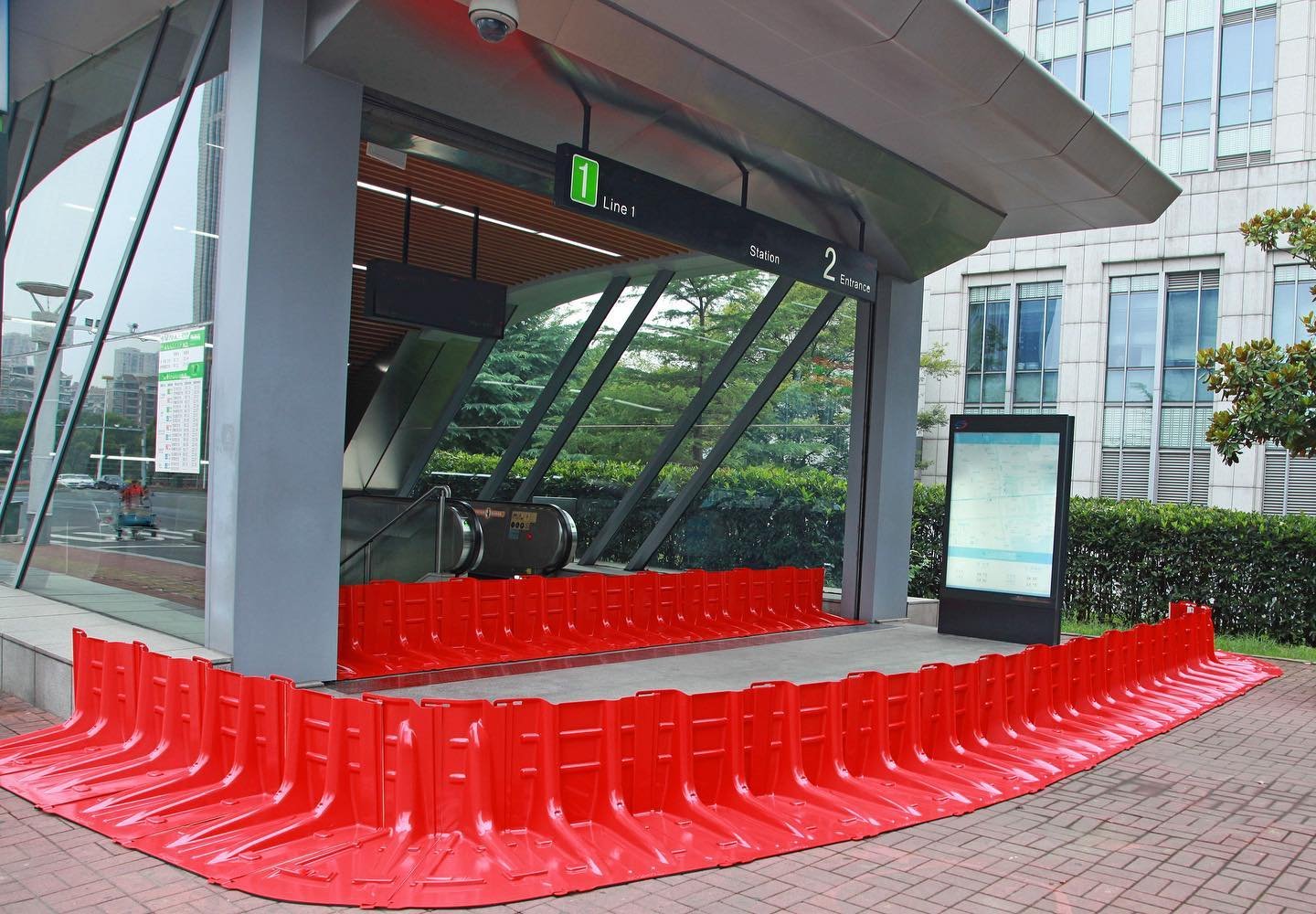
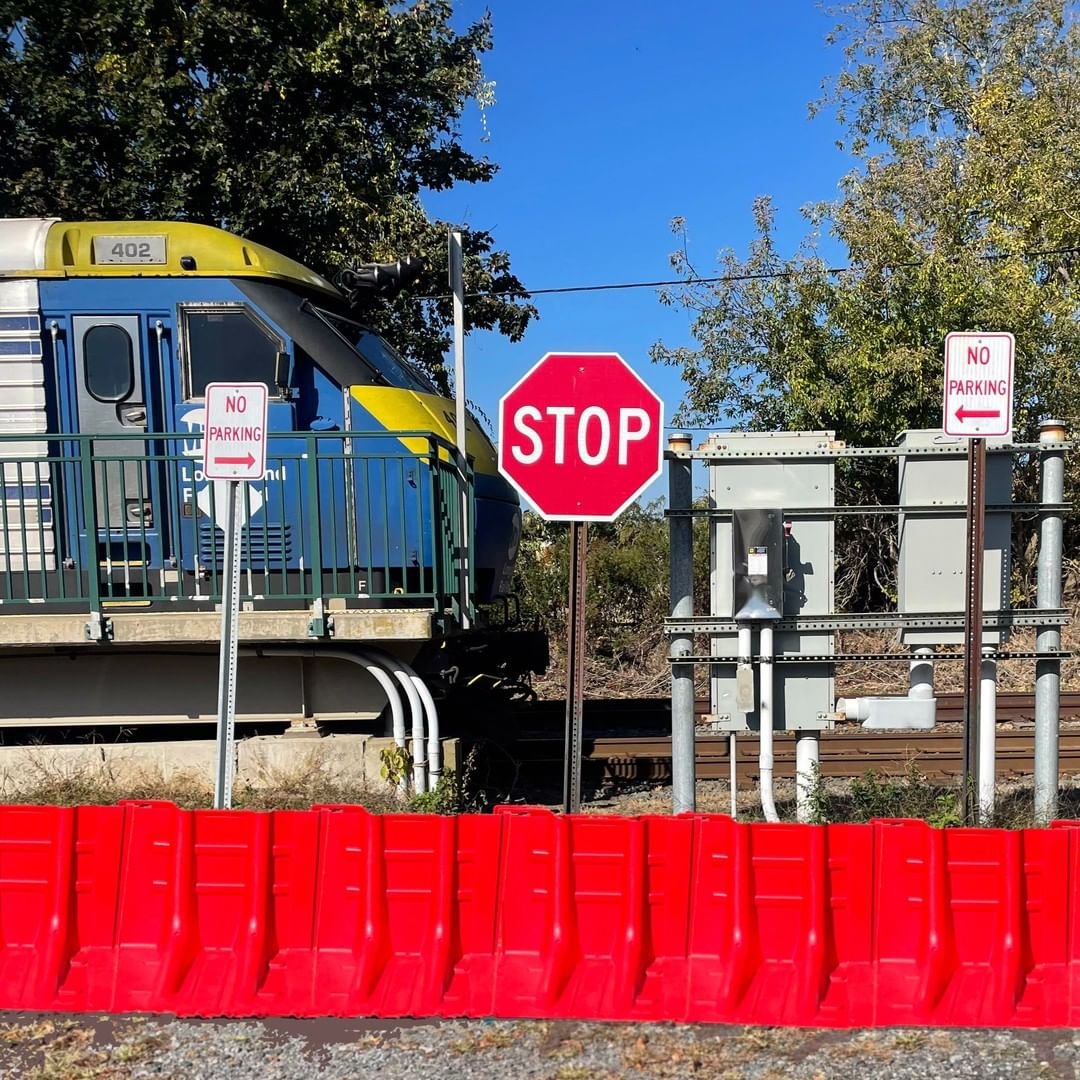
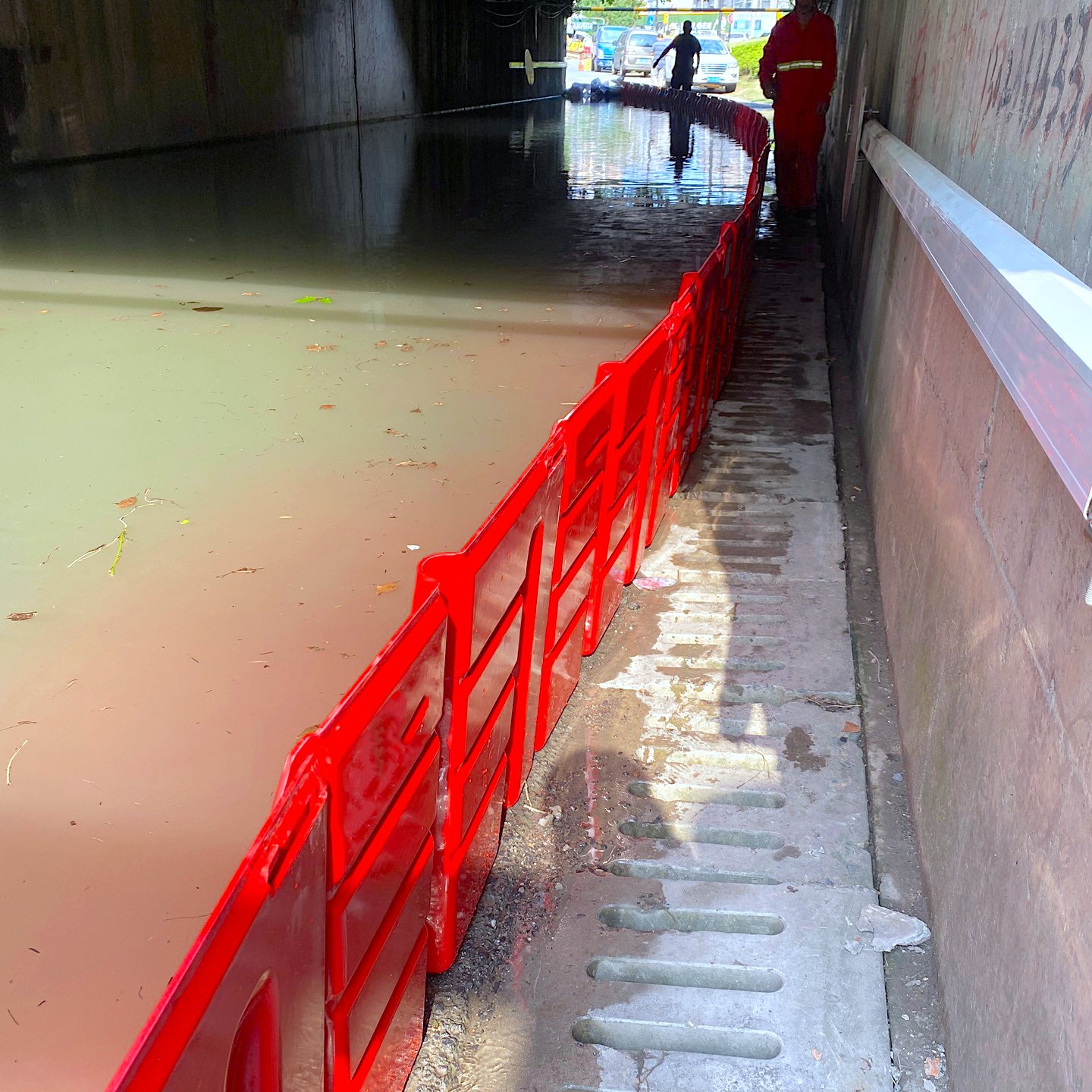
Train & Rail Flood Protection
Divert Water Away From:
Railroad Tracks
Train & Metro Stations
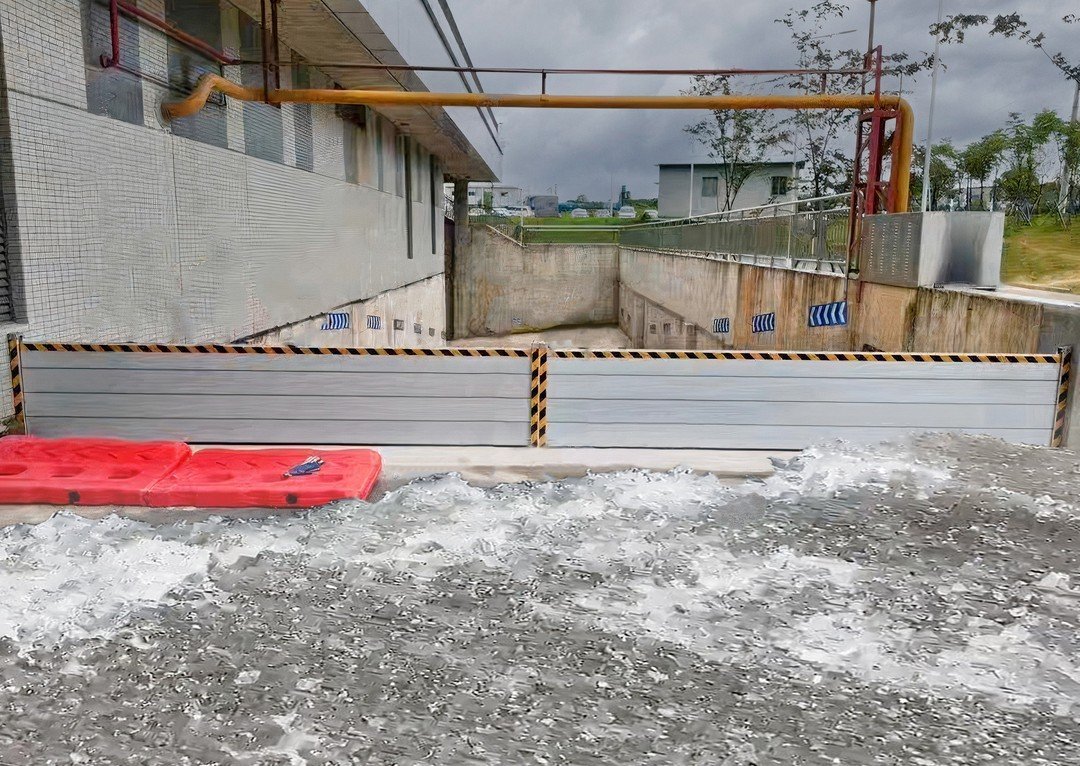
Underground Transit Tunnels

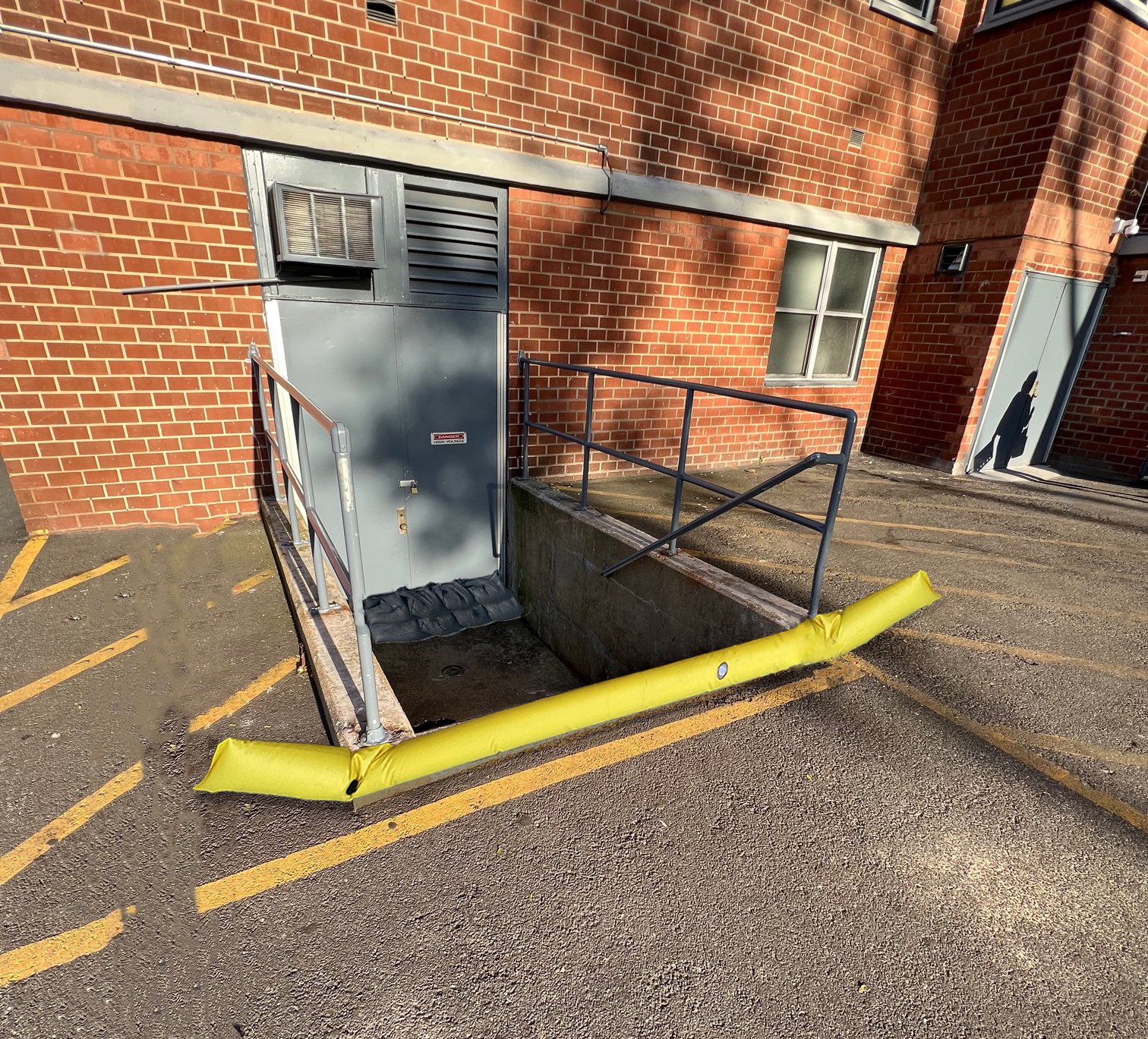
Station Platform Flood Protection
Divert Water Away From:
Train Station Platforms
Station Stairwells
Commuter Rails

Underground Drain Overflow
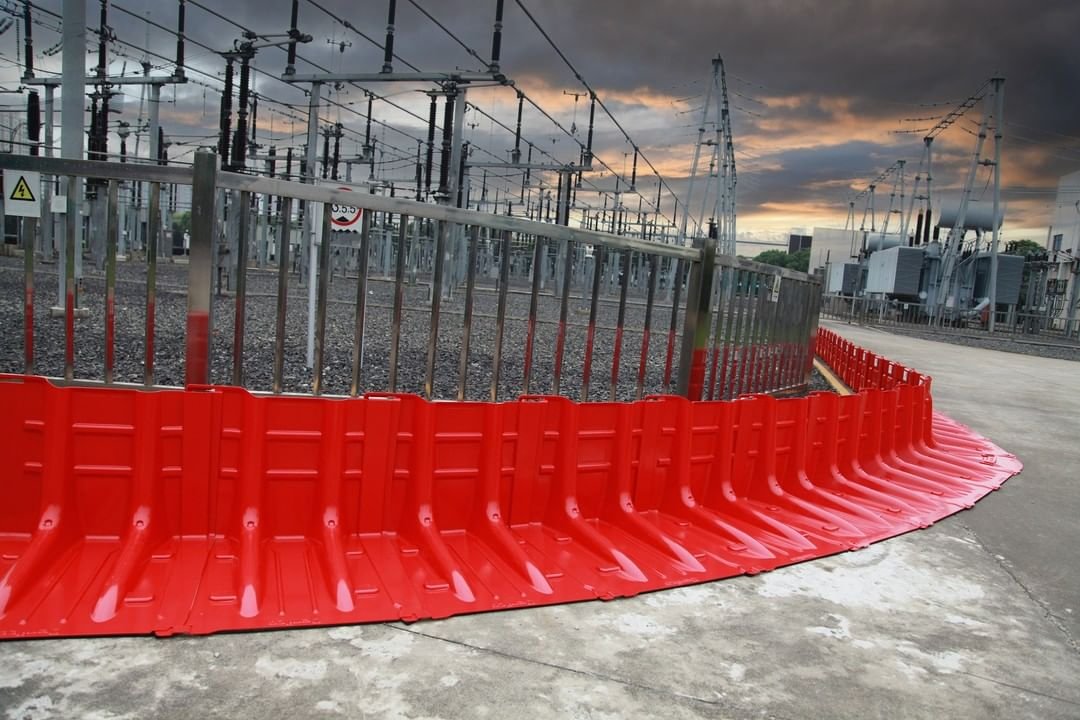
Electric System Flood Protection
Divert Water Away From:
Electric Equipment
HVAC Systems
Metro Station Signal System
Elevators
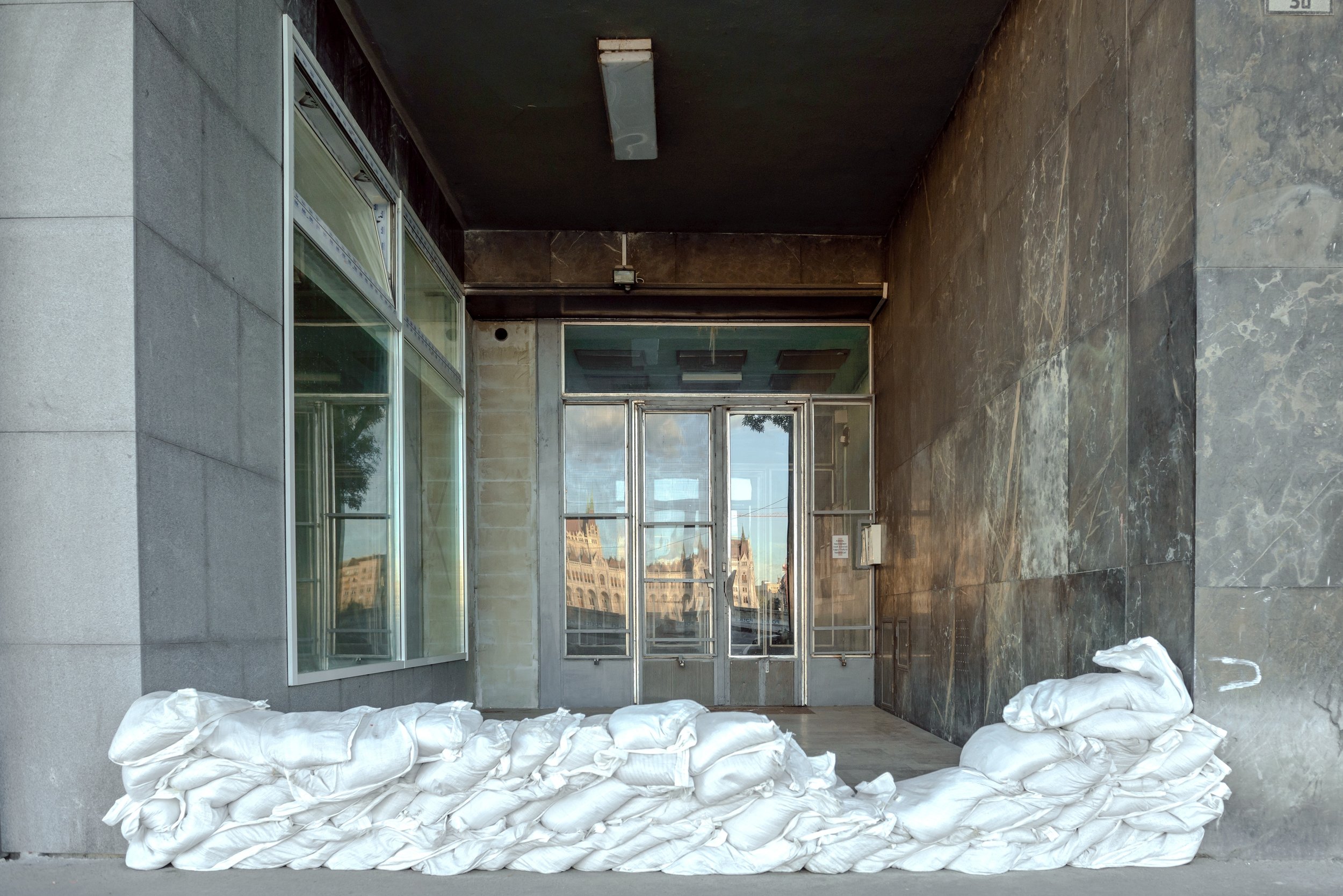
Divert Water Away From:
Underground Drains
Train Station Vents
Metro Station Levels
Garrison, Your Partner in Flood Resiliency


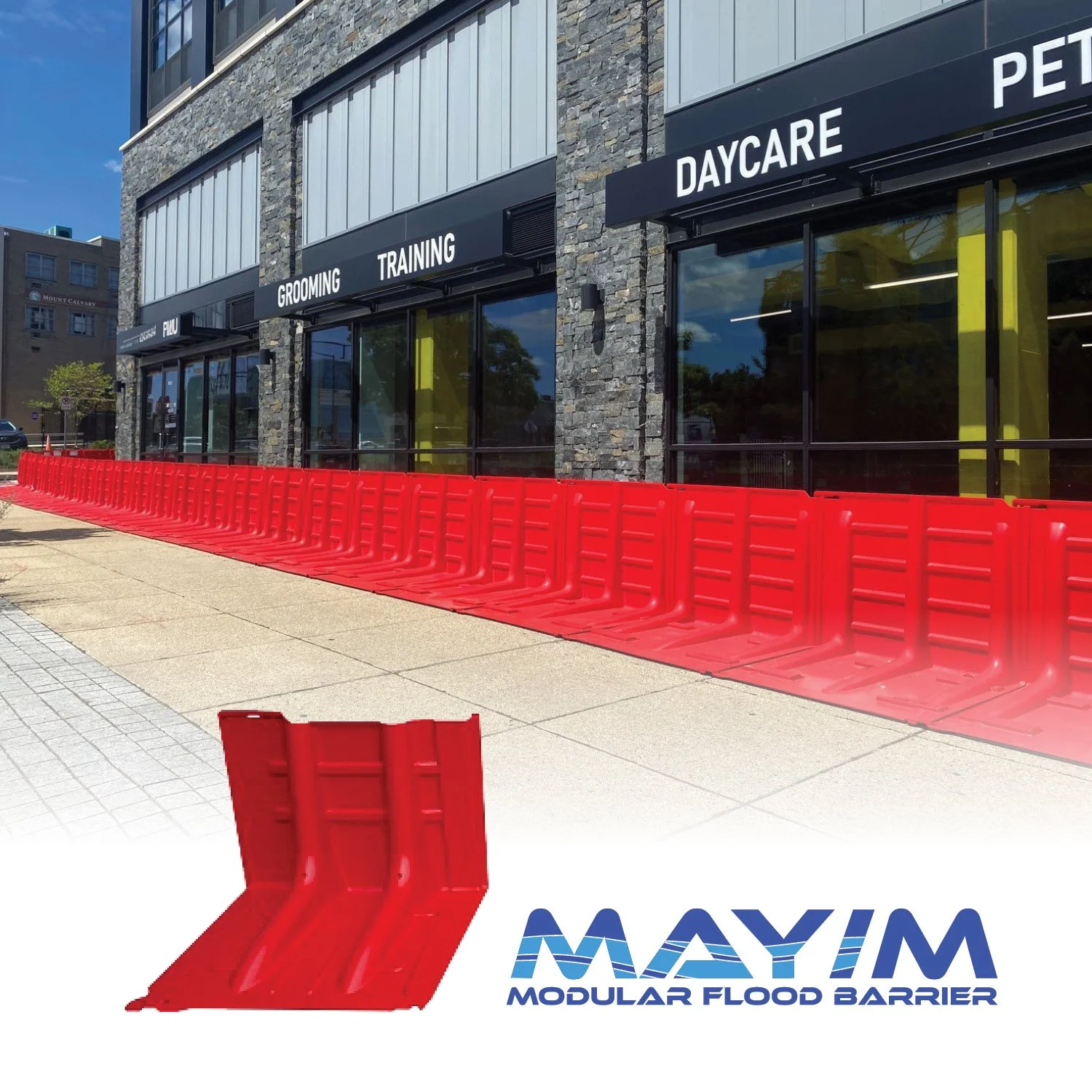


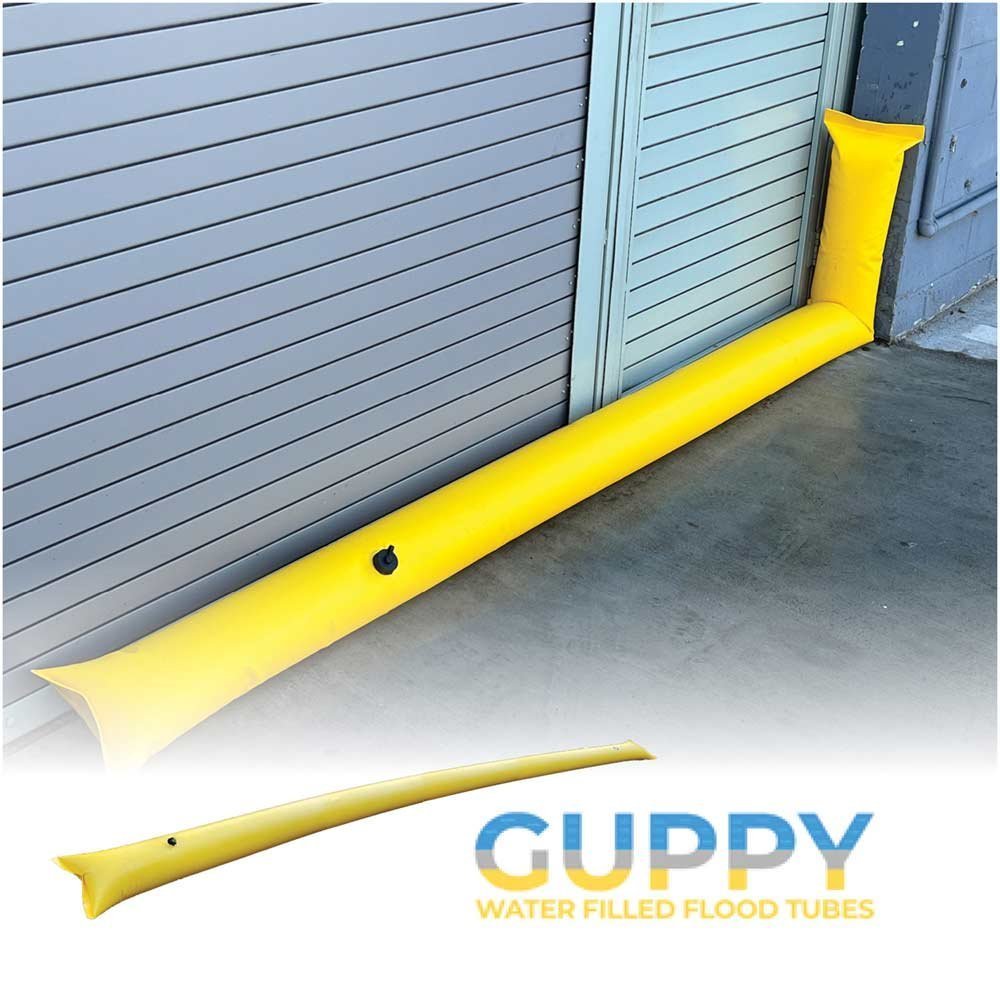
Predict ▸ Plan ▸ Prepare, with Garrison Flood Control




Contact Us
Feel free to contact us with any questions or for advice on the best flood control solution for your specific needs.
Start Protecting Your
Transit & Metro Stations Today
Frequently Asked Questions About Flood Protection for Transit Systems
-
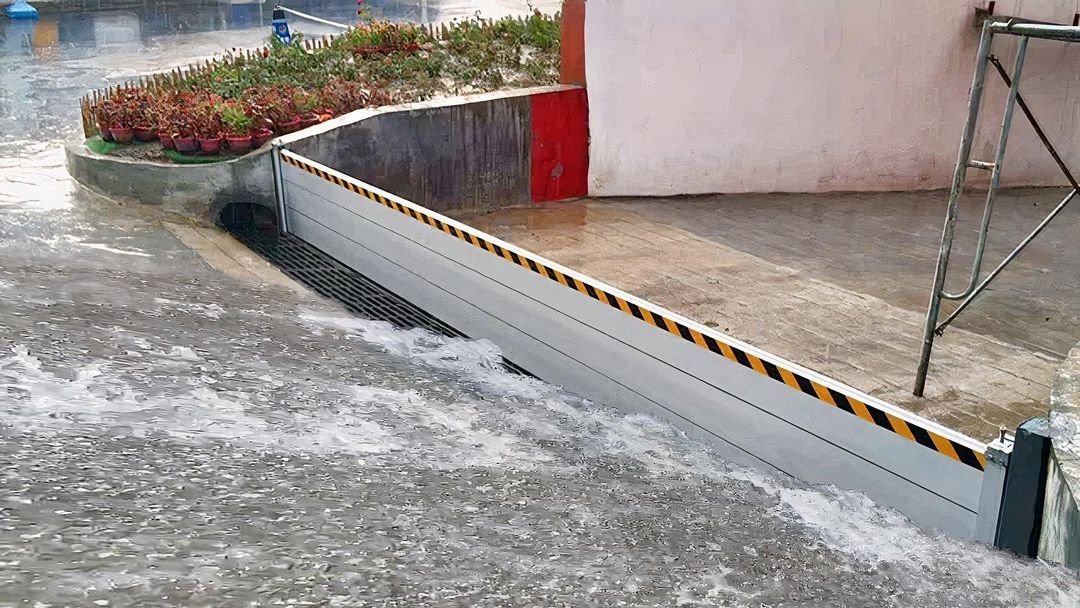
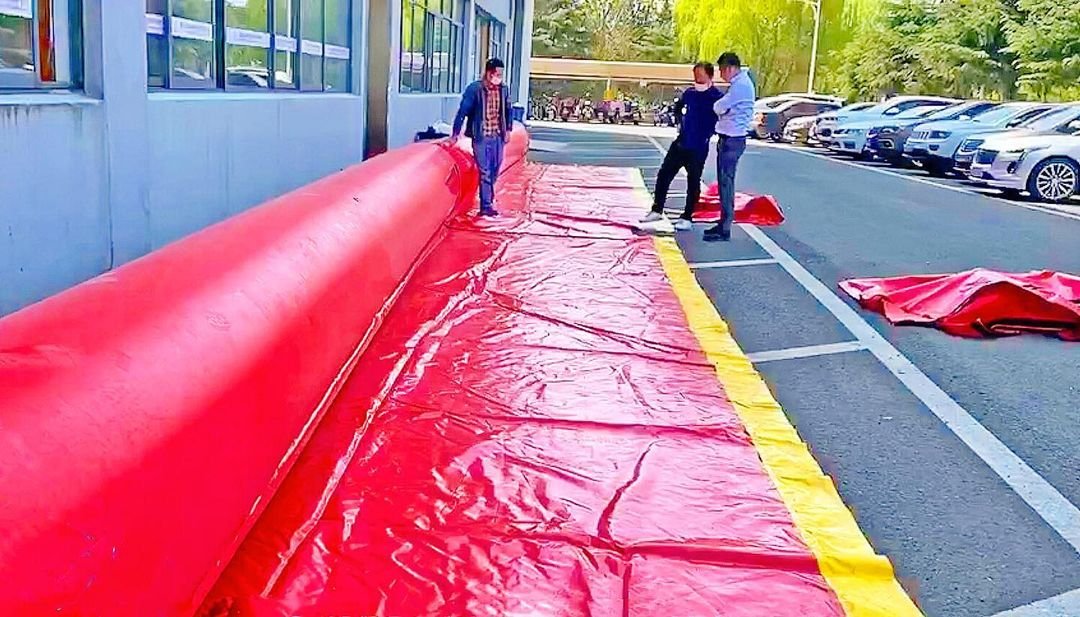
The best flood barriers for transit systems and metro stations are solutions that can be rapidly deployed, protect below-grade access points, and redirect water away from critical infrastructure. Effective options include aluminum flood walls, water diversion barriers, inflatable flood barriers, flood tubes, and automatic flood gates designed for entrances and tunnels. These systems help protect platforms, tracks, and station access points, with providers like Garrison Flood Control offering solutions tailored for transit environments.
-
Flood protection is critical because transit systems rely on continuous operation to support daily commuters and emergency response. Flooding can shut down stations, damage infrastructure, and disrupt entire transportation networks.
-
Common causes include severe storms, heavy rainfall, storm surge, and water runoff entering station entrances and underground systems. These conditions can quickly lead to flooding in below-grade transit infrastructure.
-
The most vulnerable areas include station entrances, stairwells, tunnels, platform access points, and other below-grade openings where water can flow downward and accumulate.
-
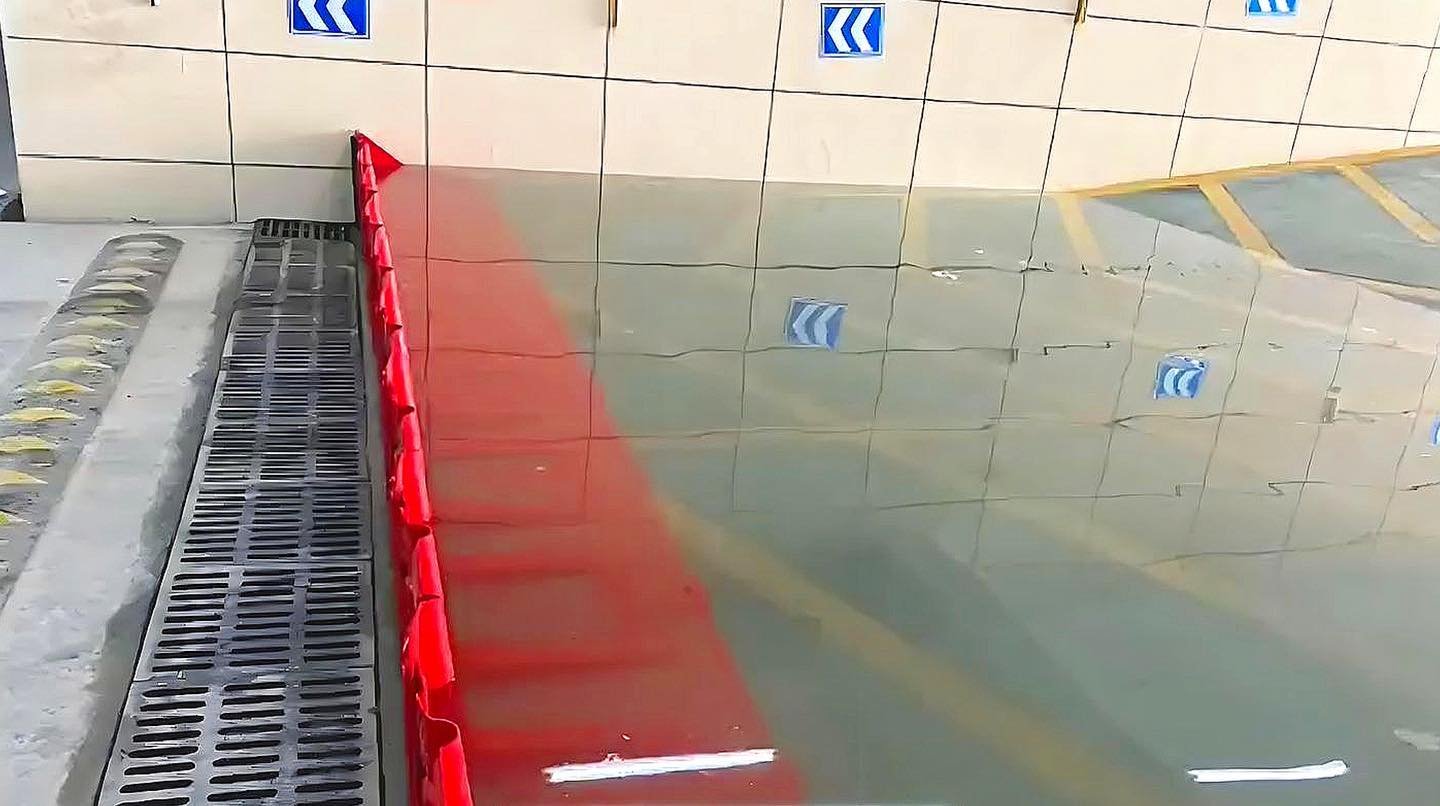
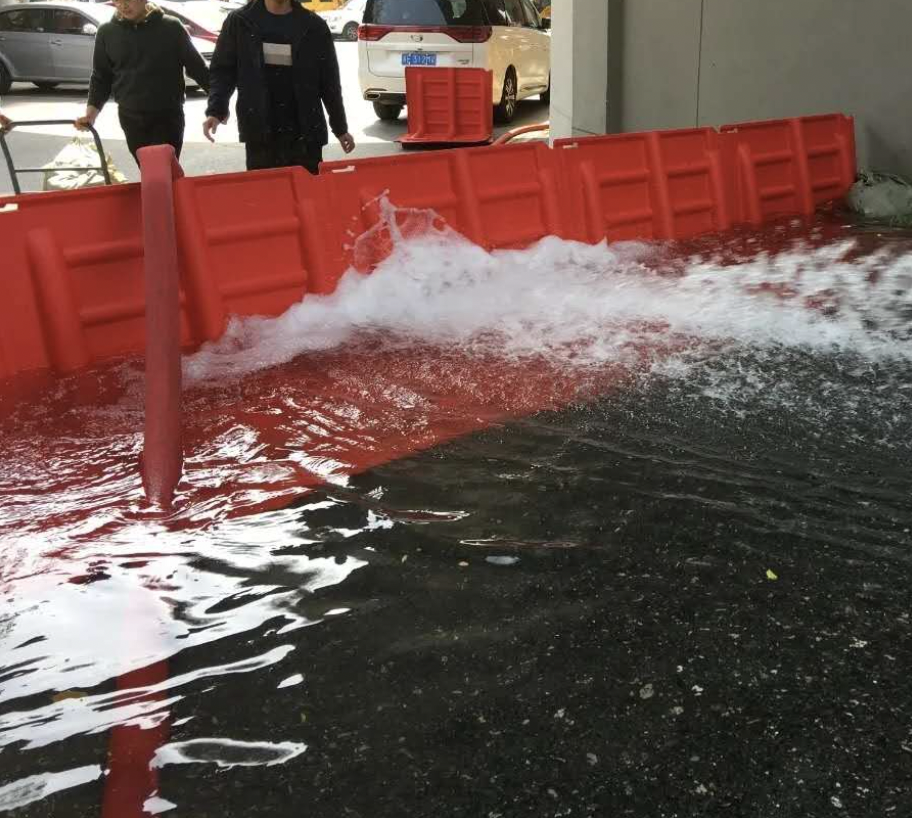
Flood barriers protect transit infrastructure by containing, blocking, or redirecting water away from key access points and underground systems. This helps prevent water from reaching tracks, platforms, and operational areas.
-
Yes. Flood protection systems are specifically designed to protect underground transit systems by sealing entrances, tunnels, and other vulnerable openings where water can enter and spread quickly.
-
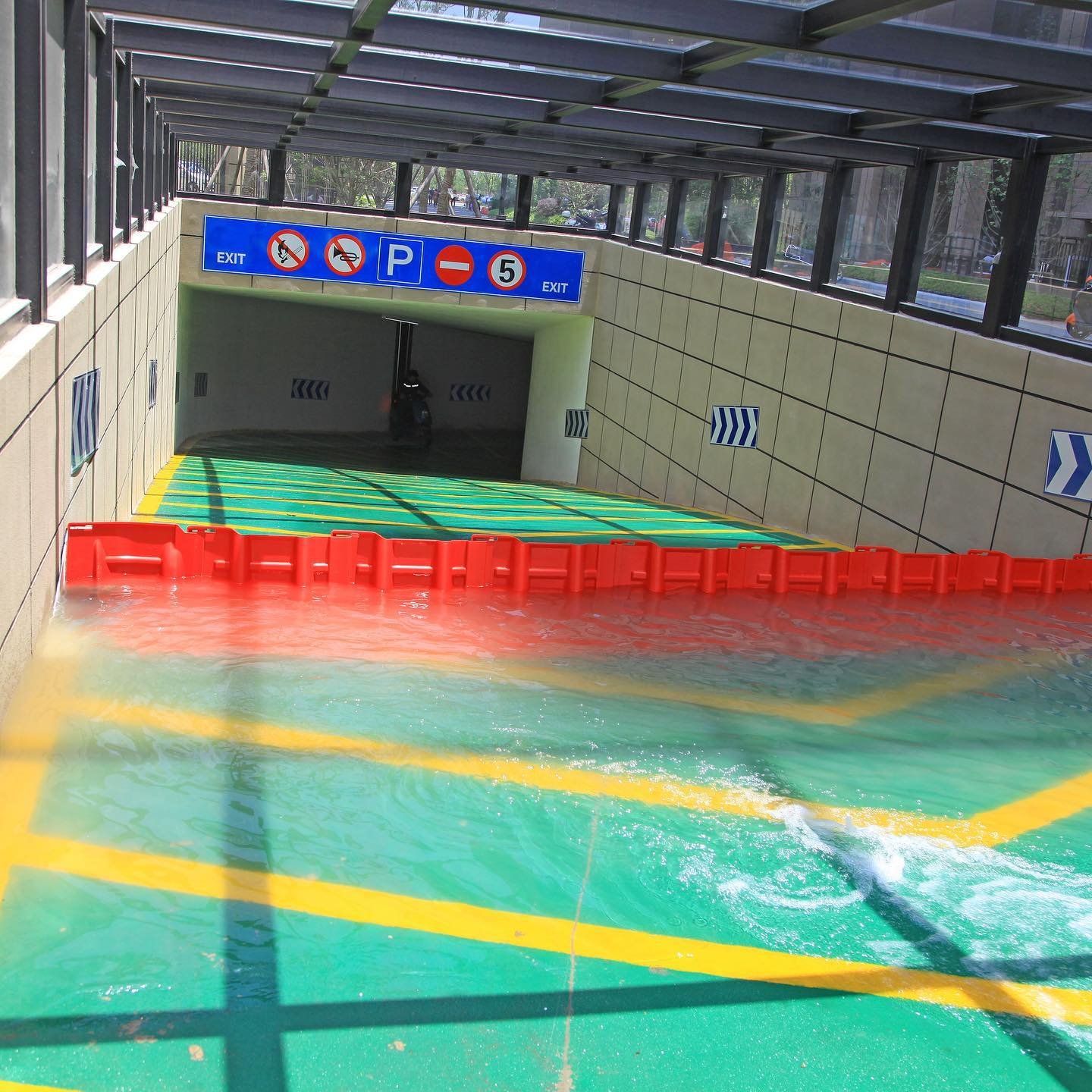
Automatic flood barriers, such as self-rising flood gates, activate when water levels rise. They deploy without power or manual input, forming a barrier at entrances like ramps and tunnels to block incoming floodwater.
-
Flood protection helps maintain operations by preventing water from entering stations and damaging infrastructure. By keeping key areas dry, transit systems can remain functional or recover more quickly after storms.
-
Emergency planning is essential for transit systems because it ensures flood barriers can be deployed quickly and effectively. Preparation is critical in environments where flooding can escalate rapidly and impact large numbers of people.
-
The best strategy is to identify high-risk entry points, implement flood barriers at vulnerable locations, and prepare for rapid deployment ahead of severe weather. Proactive planning helps reduce system-wide disruption and protect critical transit infrastructure.